The Impact of Screen Time on Brain Fog and Focus
Screens are a huge part of life now. Phones. Laptops. TVs. Tablets. Everything pulls your attention. Everything asks you to look at it right now. It feels normal. It feels harmless. But your brain pays the price.
If you often feel slow, unfocused, tired, or mentally heavy, screen habits might be the reason. Most people never connect the two, but the link is real. And honestly, once you understand how it works, everything makes a lot more sense.
What Brain Fog Really Feels Like
Brain fog is not a medical condition. It is a mix of symptoms that make daily thinking harder than it should be. Here is what most people describe:
- Slower thinking
- Harder time focusing
- Feeling mentally blurry
- Forgetting simple things
- Needing more effort for basic tasks
- Low motivation
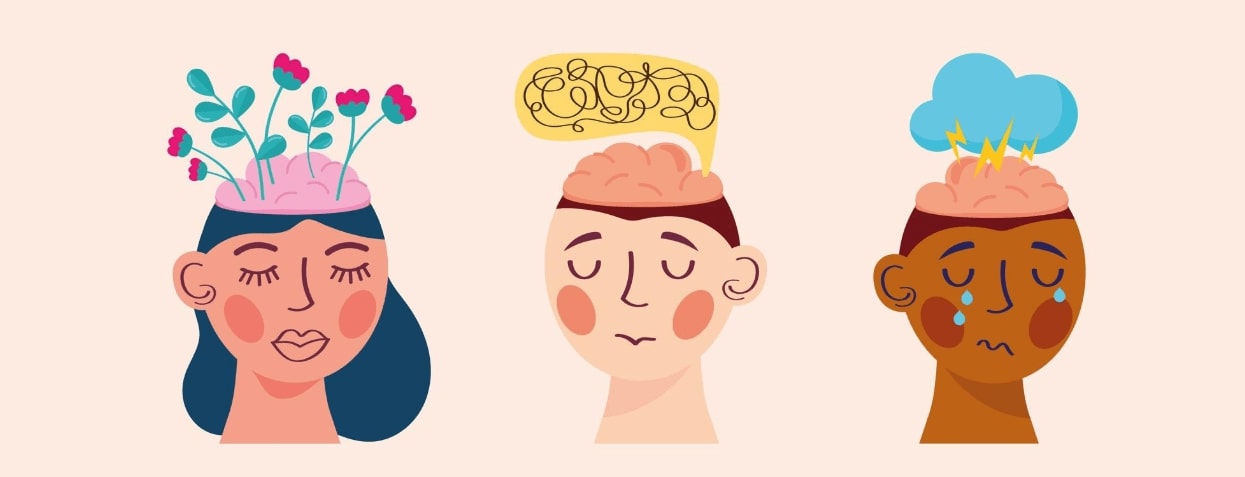
If this hits home, screens might be one of the biggest reasons. The more you use them, the more your brain gets overloaded. And when the brain is overloaded, clarity goes down fast.
Why Screens Hit the Brain So Hard
Your brain was built for simple inputs. Slow, steady, predictable patterns. Not rapid flashing videos. Not dozens of notifications. Not scrolling through hundreds of random posts in minutes. Not juggling multiple apps at once.
When the brain gets too much stimulation, it burns out. That burnout becomes fog.
How Screen Time Creates Fog
Here is a clear breakdown. Simple. Easy to follow.
| Screen Habit | What It Does to Your Brain |
|---|---|
| Constant scrolling | Overloads attention and adds mental clutter |
| Notifications | Break focus and make your mind jump |
| Late night screen use | Ruins sleep rhythm and weakens mental energy |
| Multitasking between apps | Drains cognitive energy and slows thinking |
| Binge watching | Keeps the brain in passive mode instead of active mode |
Each habit seems harmless on its own. Together, they destroy focus.
Let’s Break This Down Even More
1. Constant stimulation shrinks your attention span
Every scroll gives your brain a quick hit of novelty. That trains your mind to expect constant change. So long tasks feel harder. Reading feels harder. Staying still feels harder. Your brain wants fast content. Not slow focus.
2. Blue light destroys sleep quality
Blue light keeps your brain awake. When you use screens late at night, your brain thinks the sun is still up. This lowers melatonin. Then you sleep worse. Worse sleep means worse thinking tomorrow.
3. Multitasking drains mental energy
Switching between apps feels productive. But it is not. The brain cannot run two complex tasks at once. It switches rapidly. Switching wastes mental fuel. When the fuel runs out, fog appears.
4. Too much information creates mental clutter
Your brain processes everything you scroll past. Even the useless stuff. All that information fills up working memory. When working memory is full, focus collapses.
5. No downtime means no mental reset
Your mind needs quiet moments. Moments with no input. Screens steal those moments. The brain never gets to reset or clear the cache. Fog builds up slowly but powerfully.
Signs You Have Screen Induced Brain Fog
If you are unsure, check this list. These are red flags:
- You feel mentally slow even after sleeping
- You keep opening and closing apps without a purpose
- You forget things instntly
- You reread the same sentence multiple times
- You cannot stay focused without checking your phone
- You lose track of what you were doing
- You feel tired even when you did not do anything difficult
If you checked more than three of these, your screen habits are affecting you.
So What Can You Do About It
Good news. Brain fog from screen overload is reversible. You can fix it faster than you think. Here is how.
1. Start and end your day without screens
One hour screen free in the morning resets your attention. One hour screen free before bed fixes sleep quality. These two hours alone can transform your clarity.
2. Give your brain breaks
Try the 20 20 20 rule.
- Every 20 minutes
- Look at something 20 feet away
- For 20 seconds
This helps more than you expect. Eyes relax. Mind resets.
3. Turn off non essential notifications
Most notifications are useless. They break your focus for no reason. Turning them off gives your brain space.
4. Replace scrolling with something that activates your brain
This is where brain training apps help. Instead of passive scrolling, you challenge your mind. Not overstimulation. Real stimulation.
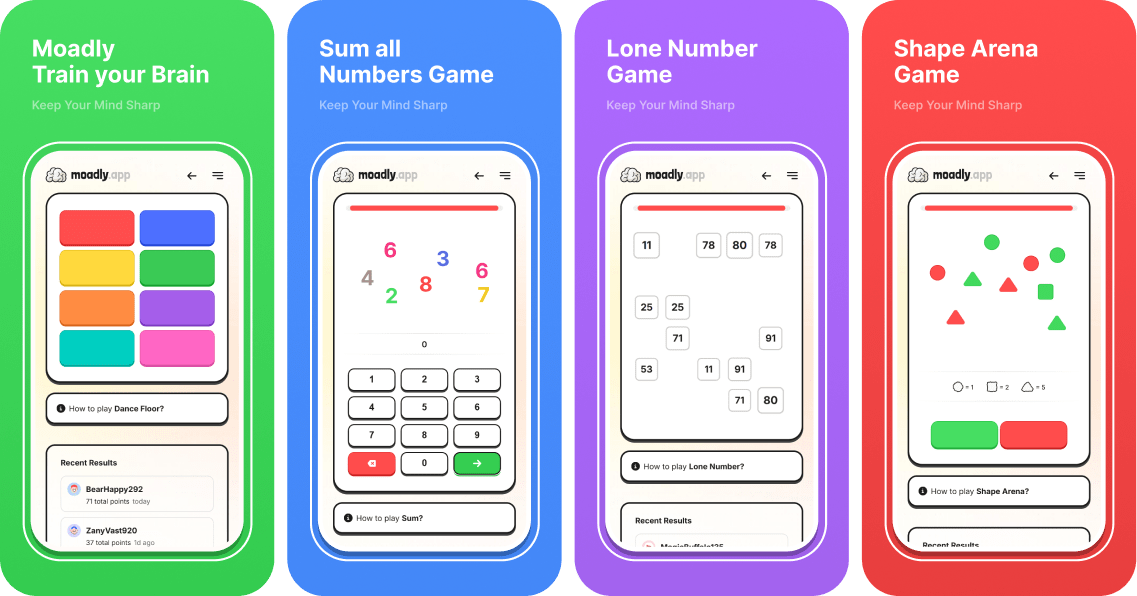
Moadly works well for this. The games are short, fast, and mentally active. They help sharpen memory, focus, and logic. And they do not overwhelm you. If you want to go deeper on cognitive training, see:
Short sessions every day can rebuild clarity surprisingly fast.
5. Use single task focus blocks
Pick one task. Do only that. No other tabs. No switching. No background apps.
This strengthens your attention naturally. Like a muscle.
6. Fix your sleep habits
Poor sleep is a huge cause of brain fog. Improve it and your mind becomes sharper almost instantly.
Try this:
- Dim lights before bed
- No screens at night
- Keepa consistent sleep time
- Use warm lighting instead of white lighting
Small changes. Big difference.
How Brain Training Helps Reverse Fog
There is something important here. Screen time does not just overload the brain. It also puts the brain into a passive state. You consume content, but you do not actively use your cognitive systems. This weakens focus and clarity over time.
Brain training does the opposite. It wakes the mind up. It activates memory. It sharpens attention. It strengthens mental speed.
Short brain exercises build the kind of focus that everyday scrolling destroys.
Moadly is designed exactly for this. Quick memory rounds. Fast math challenges. Logic puzzles. Pattern recognition. Everything is short enough to fit into a break, but strong enough to activate your brain. It feels like play but works like a workout.
If you want more guidance, see:
- Free Memory Improvement App for Android
- Free Online Memory Game App for Focus and Recall
- How to Improve Concentration and Memory with Moadly App
A Simple 5 Day Reset Plan
Try this. Just five days. See what changes.
- No screens for the first hour of the day.
- Do a 5 minute Moadly session.
- Use single task focus blocks for work.
- Take a break every hour.
- Limit social media to two short windows.
- Switch off screens one hour before bed.
You will feel clearer by day two. Most people are shocked at how fast the brain recovers once the overload stops.
Long Term Changes to Expect
If you reduce digital clutter and strengthen your cognitive skills, you can expect:
- Better concentration
- Faster thinking
- More energy
- Higher productivity
- Less stress
- More creativity
Your brain works best when it has space to think and tools to grow. Screens are helpful, but only when used with intention.
Conclusion
Screen time can easily create brain fog when it is constant, loud, and unstructured. But you are not stuck with fog forever. With simple habits, intentional focus, and regular brain training, you can clear your mind and get your sharpness back.
If you want a fun way to activate your brain daily, try Moadly. The games are short, effective, and great for rebuilding focus. You can also explore related content like Best App to Clear Brain Fog and Improve Mental Clarity or Free App for Improving Your Mind and Mental Clarity.
Your mind can feel sharp again. You just have to give it the right environment to recover.