The attention economy is breaking focus tools
The modern attention economy was built on a simple idea. If you can capture and hold attention, you can monetize it. Over time, this idea reshaped the internet, mobile apps, social media, and eventually even tools that were supposed to help people focus.
What started as a race to entertain quietly became a race to interrupt, stimulate, and hook. Today, many focus tools are built using the same incentives that caused the attention crisis in the first place, a pattern already explored in the hidden downside of gamified learning.
This creates a contradiction. Tools designed to improve focus are often competing inside an ecosystem that rewards distraction. Notifications, streaks, badges, alerts, reminders, and engagement tricks are layered on top of products that claim to reduce cognitive overload. The result is not better focus, but a polished version of the same problem seen across why most brain training apps fail long term.
The issue is not a lack of good intentions. It is structural. When success is measured by clicks, sessions, and retention curves, focus becomes secondary to engagement. Over time, focus tools drift away from cognitive effectiveness and toward attention capture, reinforcing the same dynamics described in the uncomfortable truth about most brain apps.
What the Attention Economy Actually Rewards
The attention economy values behaviors that can be measured easily and monetized reliably. These behaviors do not align well with deep focus or sustained attention, a mismatch that also explains the myth of instant cognitive improvement.
- Daily active users
- Session frequency
- Time spent per session
- Notification opens
- Streak continuation
None of these metrics measure whether a user can focus longer, think more clearly, or resist distraction outside the app. They measure interaction, not improvement, which is why brain games that feel smart but do nothing continue to thrive.
Focus vs Engagement Metrics
| Metric Optimized | What It Encourages | Cognitive Effect |
|---|---|---|
| Session count | Frequent checking | Fragmented attention |
| Notifications | Reactive behavior | Lower self control |
| Time in app | Passive engagement | Shallow focus |
| Streaks | Consistency theater | Habit without depth |
When engagement becomes the primary metric, difficulty is smoothed out, mistakes are softened, and the learner is protected from frustration. Unfortunately, frustration is often the signal that the brain is actually changing, a point reinforced in why memory improvement feels boring at first.
Why Focus Feels Harder Than Ever
Many people assume their focus is broken because they lack discipline or motivation. In reality, their cognitive environment has been optimized against sustained attention. Constant novelty trains the brain to expect stimulation, making slower processes like repetition and recall feel intolerable, exactly the problem described in why repetition matters more than novelty.
When Focus Tools Copy Social Media
To survive in the attention economy, many focus apps borrow design patterns from social platforms. Gamification, streaks, progress animations, and instant feedback are introduced to increase retention. This mirrors the same flawed logic behind why random challenges do not build real memory.
- Frequent reminders disguised as motivation
- Visual rewards that interrupt concentration
- Progress dashboards checked compulsively
- Daily streak pressure replacing intention
Instead of learning how to sustain attention independently, users learn how to respond to prompts, which explains why harder games are not always better for your brain.
The Moadly Approach to Focus
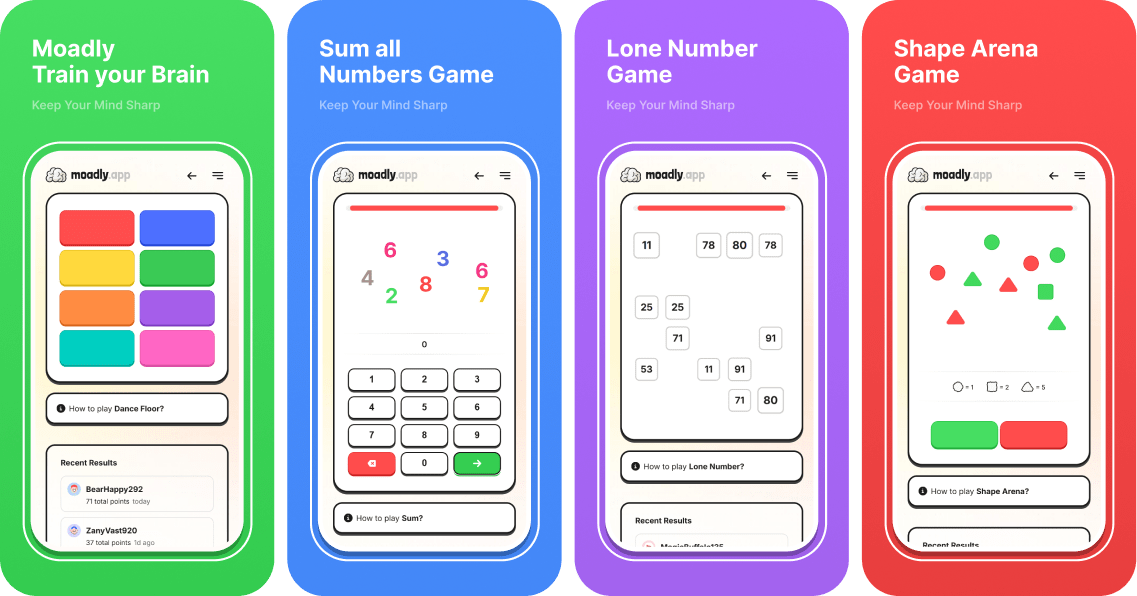
Moadly deliberately opts out of the attention economy. Rather than competing for attention, it focuses on rebuilding it. The platform avoids constant notifications, artificial streak pressure, and overstimulation, aligning with insights gathered from Moadly's cognitive survey data.
- Minimal interruptions during sessions
- Recall based cognitive exercises
- Progress driven by effort, not points
- Consistency without dopamine manipulation
This makes Moadly closer to what is described in the best app for practicing memory, focus, and mental agility, rather than another engagement driven product.
Conclusion
The attention economy did not just damage social media habits. It reshaped tools meant to fix the damage. When focus tools adopt the same incentives as distraction platforms, they undermine their own purpose, reinforcing patterns already outlined in why puzzles alone do not improve intelligence.
Focus cannot be gamed. It must be rebuilt slowly, quietly, and often uncomfortably. Tools that respect this reality may never dominate app stores, but they are far more likely to help users reclaim their attention.