The Role of Brain Training in Post-COVID Cognitive Recovery
Reclaiming Your Mental Spark After COVID-19
Many people find their minds feel a bit fuzzy after getting over a virus. You might feel slower plus find it hard to stay on track. This mental haze is often called post-Coronavirus Disease 2019 (COVID-19) brain fog. It is one of the most common lingering hurdles people face today.
It can feel quite annoying. The good news is that your brain is like a flexible map. Just as you lift weights to grow muscles, you can use mental workouts to sharpen your thinking. This is where brain training helps you kick off your recovery.
How This Mental Haze Feels
Brain fog shows up in different ways for everyone. Some say it feels like walking through thick honey. Others lose their train of thought or forget the word for "coffee" while holding a mug. Common signs include:
- Finding it hard to focus for more than a few minutes
- Losing track of little details or what you did yesterday
- Feeling stuck when you try to do two things at once
- Feeling wiped out even after a long nap
- Feeling a bit disconnected from your day
These feelings can hang around for weeks. However, experts say that keeping your mind active can help you get back to your old self faster. Once I forgot where I parked my car for twenty minutes, so I know how scary that lag feels.

Why Training Your Mind Works
Think of your brain as a powerhouse muscle. If you do not challenge it, it might lose its edge. After an illness, your body puts all its energy into healing, so your mental sharpness might take a back seat for a while.
Brain training gives you specific tasks to wake up your memory plus your logic. These exercises help your brain cells talk to each other better. This helps fix the speed and flow that the fog took away. So, regular practice acts like a tuning fork for your thoughts.
You might enjoy reading How to Rebuild Concentration After Brain Fog for more tips.
How These Exercises Work
Most brain training feels like playing quick games on your phone. These games target specific skills. They start easy then get tougher as you get better. This gives your mind the right amount of work to help it heal.
| Mental Skill | Type of Exercise | Quick Example |
|---|---|---|
| Attention | Focus games | Finding a hidden shape in a moving crowd |
| Memory | Recall tasks | Remembering a grocery list in order |
| Thinking Speed | Timed puzzles | Matching shapes as fast as you can |
| Reasoning | Logic riddles | Solving a "what comes next" pattern |
| Language | Word puzzles | Thinking of words that mean the same thing |
What the Experts Found
Research on recovery shows that brain training can really boost how you think. These exercises light up parts of your brain that deal with memory plus logic. These areas might be a bit sleepy after you have been sick.
Pictures of the brain show that training can make certain areas denser. This means you are building new pathways. It is like building a new bridge to get across a river faster. Better pathways mean faster recall for you.
You can learn more at Can Memory Games Really Improve Cognitive Function.
Start Your Own Simple Routine
Doing a little bit every day is better than doing a lot once a week. You do not need much time. Short bursts are easier to stick with. You could try this simple plan:
- Find your peak time: Try your exercises when you feel most awake. This is often right after breakfast.
- Keep it brief: Ten minutes a day is a great start.
- Try new things: Play different games so you challenge different parts of your mind.
- Watch your wins: Take note when you start to remember names faster.
- Be kind to yourself: Healing happens in small steps. Every little win counts.
If you want a clear path to follow, look at Daily Brain Exercises That Improve Clarity and Recall for a step-by-step guide.
Support Your Brain with Good Habits
Mental workouts work best when you treat your body well too. Your brain needs fuel plus rest to do its best work. Then, you can see results even faster. You might consider these habits:
- Sleep: Try to get seven to eight hours. Deep rest clears out the mental trash from your day.
- Water: Even a little thirst can make you feel foggy. Keep a water bottle nearby.
- Food: Pick foods like fish or berries. You can find more details in The Connection Between Nutrition and Cognitive Fatigue.
- Move: A short walk or some light stretching helps move blood to your head.
- Calm: Taking a few deep breaths can lower the stress that blocks your focus.
Watching Your Progress
It is normal if things feel slow at first. But you will notice small changes soon. Maybe you stay focused during a long chat. Or maybe you finish a task without getting distracted. Keeping a small note of these wins helps you stay excited.
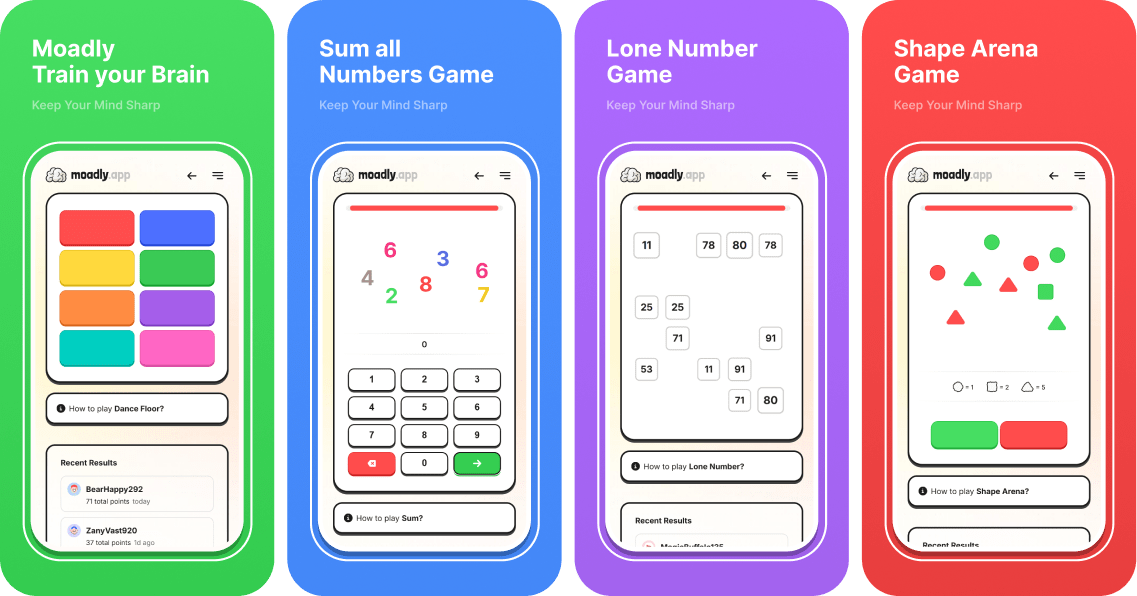
Many tools, like the Moadly app, track your scores for you. The app changes the difficulty so it is always just right for your level. This keeps the games fun plus helpful as you grow stronger.
When to Talk to a Pro
Please reach out to a doctor if your brain fog stays very heavy for months. Sometimes other things like stress or sleep issues make the fog worse. A professional can help you look at the whole picture while you keep up with your brain games.
For more on how stress affects your mind, check out The Relationship Between Anxiety and Mental Cloudiness.
Quick Guide: Your Recovery Steps
| Area | What to Do | Why It Helps |
|---|---|---|
| Mind Games | Short daily puzzles | Wakes up your focus plus memory |
| Rest | Go to bed at the same time | Gives your brain time to fix itself |
| Eating | Choose healthy, fresh meals | Gives your brain better fuel |
| Activity | Take a daily stroll | Gets more oxygen to your mind |
| Peace | Practice deep breathing | Cuts down the stress that slows you down |

Final Thoughts
Getting your focus back takes time. But you can do it. By mixing brain games with healthy living, you can clear the haze. Just keep at it. Small steps lead to a much clearer path later on.
You can find more workouts in How to Rewire Your Brain After Chronic Brain Fog plus routine tips in How to Create a Routine to Prevent Brain Fog.
Your mind is strong. With a little daily practice plus plenty of rest, you will feel like yourself again soon. Why not try one quick logic puzzle today to get started?