The Relationship Between Anxiety and Mental Cloudiness
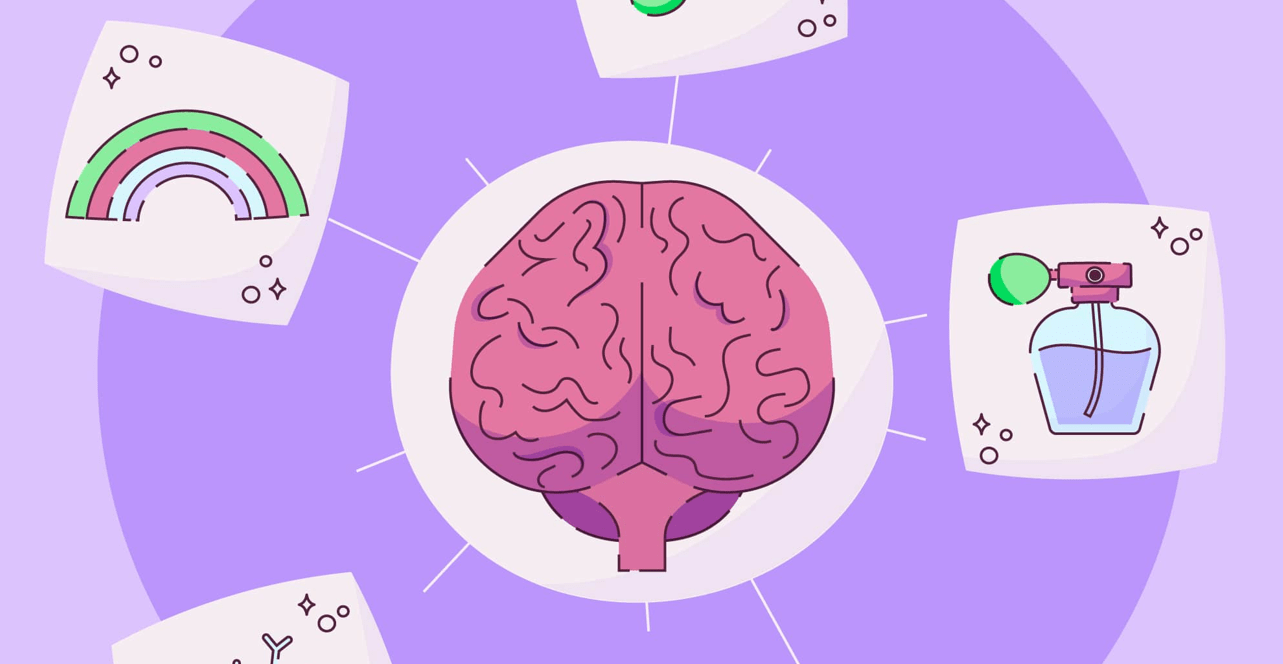
Mental cloudiness, or brain fog, often tags along with anxiety. You may notice you forget things, think slowly, or struggle to focus on simple tasks. This is not just a feeling. Anxiety physically changes how your brain handles information. Understanding this link is the first step to getting your mental clarity plus focus back.
What Is This Mental Cloudiness?
Mental cloudiness is a short-term dip in how well your brain works. People often describe it like this:
- You find it hard to concentrate.
- You forget things or struggle to remember facts.
- You make choices more slowly.
- You feel detached or "spacey."
- You feel mentally tired plus lack drive.
Brain fog can happen now and then. But when it lasts, anxiety is often a main cause. You can read more in What Is Brain Fog and How Can You Treat It Naturally.
I remember a time when I could not even find my keys while they were in my hand because my mind was racing so fast. It happens to the best of us.
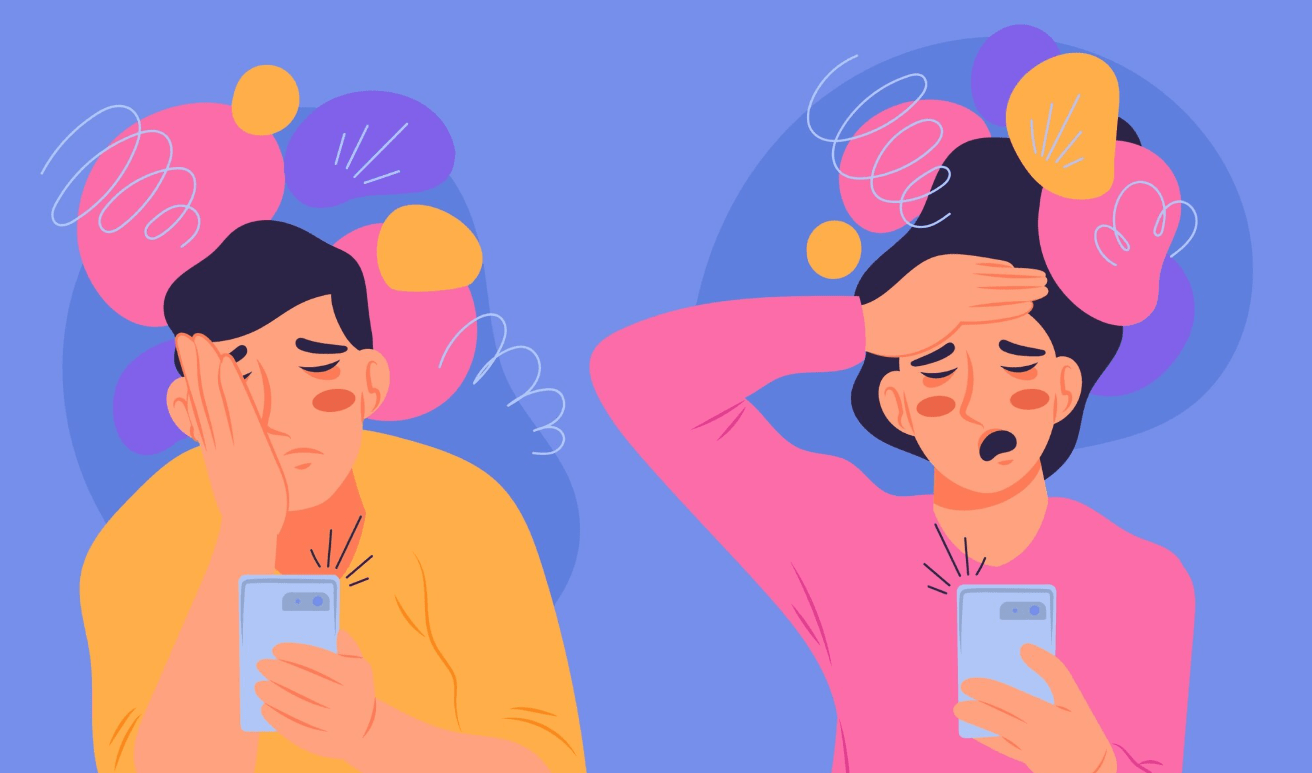
How Anxiety Acts on Your Brain
Anxiety kicks off your body's stress response. This is helpful for quick bursts of danger. But long-term anxiety floods your brain with stress hormones. This hurts your focus, memory, plus your ability to reason.
| Brain Area | Effect of Long-Term Anxiety |
|---|---|
| Amygdala | Too active. It keeps looking for threats. |
| Prefrontal Cortex | Not active enough. It makes planning plus focus hard. |
| Hippocampus | Hurt by high Cortisol. This makes learning plus memory tough. |
These shifts make daily chores feel draining. Keeping a clear head becomes a real chore.
Real Stories of Anxious Fog
Think about Sarah. She is a project manager with constant anxiety. She often misses meetings plus loses papers. She even struggles with tasks she has done for years. Her brain is essentially full. It chooses to watch for threats instead of doing her job.
Then there is Tom. He is a student who gets nervous during tests. He knows the facts but cannot find them during the exam. His anxiety steals his brain power. It leaves him feeling very cloudy.
These stories show how anxiety-led fog hits your memory plus focus in real life.
Signs Your Fog Comes from Anxiety
Not every foggy moment comes from anxiety. Look for these clues:
- The fog gets worse when you feel stressed.
- You cannot focus on things that are usually easy.
- You forget things often.
- Tiny choices make you feel totally swamped.
- You feel a fast heart rate or tight muscles.
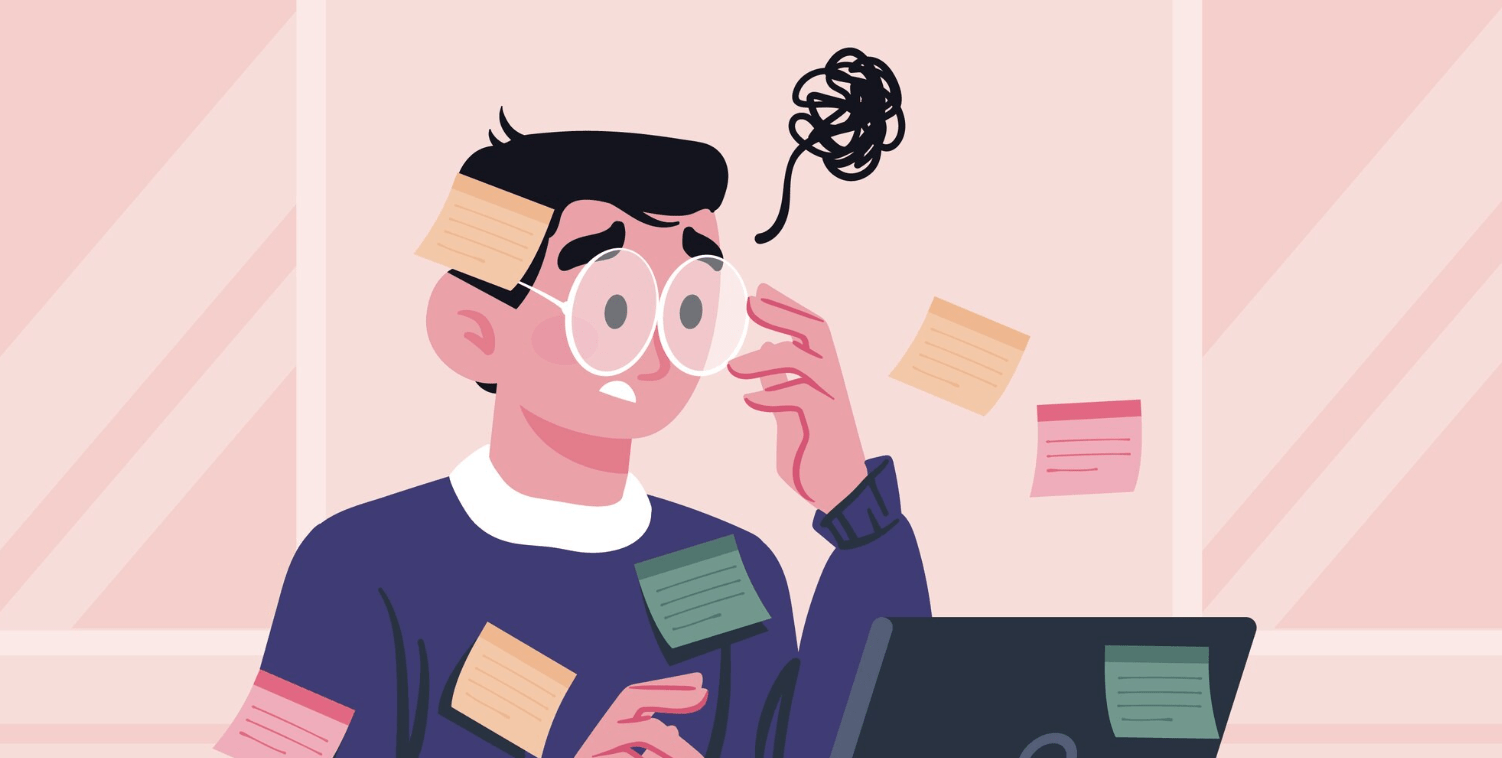
Why Anxiety Makes You Feel Cloudy
Several things are happening at once:
1. Constant Worry plus Distraction
Anxious thoughts loop in your head. This uses up brain power you need for problem-solving plus memory. Then even small choices feel like a mountain.
2. Bad Sleep
Anxiety often makes it hard to sleep or stay asleep. Poor rest stops your brain from filing memories. This makes the fog much worse.
3. Stress Chemicals
Constant anxiety kicks off Cortisol (C) plus Adrenaline (A). High Cortisol (C) hits the memory center of your brain. It also messes with feel-good chemicals like Serotonin (S) plus Dopamine (D).
4. Mental Exhaustion
Constant worry drains your battery. You have less energy for learning plus new ideas. You might make more mistakes because of it.

Ways to Clear the Haze
Lowering anxiety while training your brain is the best path. You might try these proven steps:
1. Focus plus Calm
Mindfulness helps stop the looping thoughts. Even five minutes a day helps. You could try:
- Slow, deep breathing.
- A quick body scan to relax muscles.
- Calming apps with guided help.
These habits strengthen the part of your brain that handles attention. Read more in Understanding the Link Between Stress and Brain Fog.
2. Thinking Shifts
Cognitive Behavioral Therapy (CBT) helps you challenge bad thoughts. It can help you:
- Stop the looping worry.
- Solve problems better.
- Clear up your thinking.
Doing these drills often can be very powerful.
3. Daily Movement
Exercise burns off anxiety plus clears the mind. You could try:
- Walking or jogging for 20 minutes.
- Doing some light yoga or stretching.
- Using your own body weight for a quick workout.
Even a little movement helps blood flow to your head plus boosts your mood.
4. Better Sleep Habits
Good rest fixes your brain. You might try these ideas:
- Wake up plus sleep at the same time.
- Make your room cool plus dark.
- Stay away from phones before bed.
- Create a relaxing habit each night.
5. Food plus Water
Your brain needs good fuel to run. Look for these items:
| Food | How It Helps |
|---|---|
| Healthy Fats (fish, nuts) | Supports brain cells plus lowers swelling. |
| Bright Berries plus Greens | Protects your mind from stress. |
| Magnesium plus B Vitamins | Helps settle your nerves. |
| Water | Stops you from feeling tired plus foggy. |
6. Brain Training
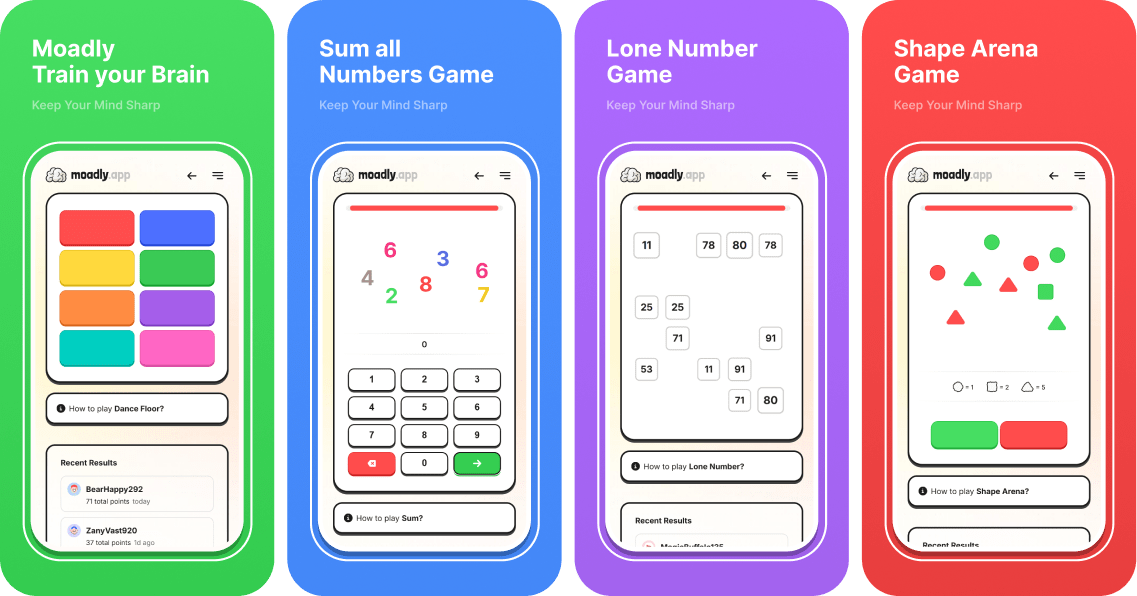
Specific drills help you rebuild focus plus memory. You might try:
- Memory games to remember facts better.
- Logic puzzles to test your thinking.
- Attention drills to help you focus longer.
Apps like Moadly offer drills you can use every day. Look at Daily Brain Exercises That Improve Clarity and Recall or How to Rewire Your Brain After Chronic Brain Fog.
Planning Your Day to Beat the Fog
A set routine helps lower stress. You could follow a schedule like this:
| Time | What to Do |
|---|---|
| Morning | Drink water, stretch, plus try a quick brain game. |
| Noon | Do your hard work, then move around during a break. |
| Afternoon | Try a logic puzzle plus breathe deeply. |
| Evening | Slow down, write in a journal, plus get ready for bed. |
Learn how to build your own plan in How to Create a Routine to Prevent Brain Fog.
Other Helpful Steps
- Cut back on coffee plus alcohol.
- Split big jobs into tiny steps.
- Write down what you are thankful for.
- Chat with friends to keep your brain active.
Signs You Are Getting Better
- You can focus for longer.
- You find facts faster.
- You have fewer worried thoughts.
- You have more energy plus a better mood.

When to Talk to a Pro
If the fog plus worry do not go away, a doctor can help. Therapy or a check-up might be what you need. Getting help early protects your mind for the long run.
Closing Thoughts
Anxiety plus mental haze go hand in hand. Constant worry can hurt your focus plus your memory. But your brain can change. By using mindfulness, routines, plus brain games, you can find your calm plus your clarity again.
Moadly has tools based on science to help you out. Check out Moadly News or start with What Is Brain Fog and How Can You Treat It Naturally today.
Keep at it. Small daily steps help your brain grow stronger. You will soon think more sharply plus feel much more at peace. Give it a go today!