Brain Fog After COVID: What Science Says Helps Recovery
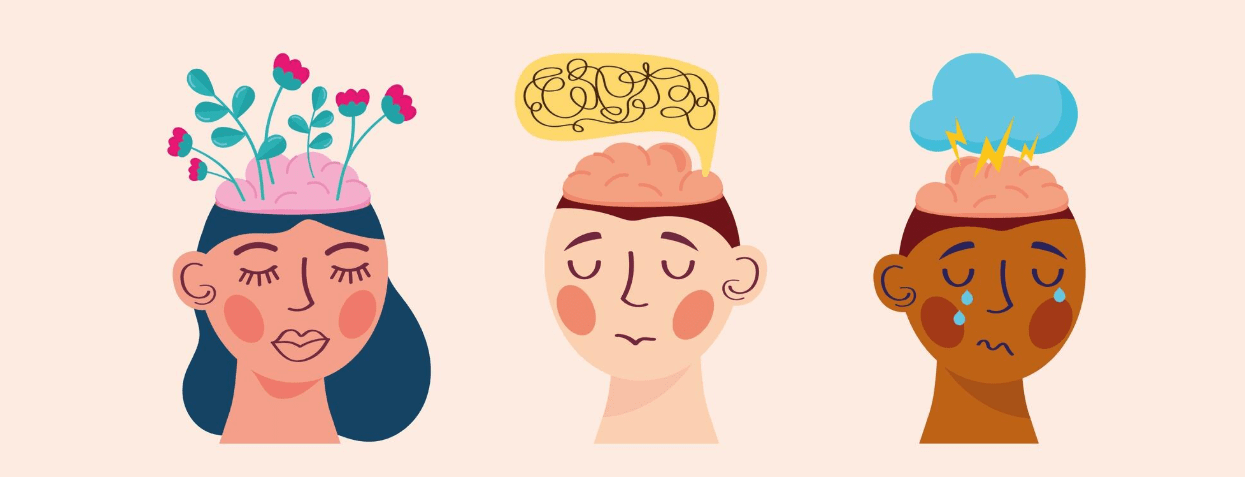
Many people who got COVID later noticed something strange. Even after they recovered, their mind didn’t feel the same. They forgot things more often, lost focus, or felt mentally slower than usual. This frustrating feeling is known as post-COVID brain fog.
If you’ve felt this way, you’re not alone. Studies show that a large number of people experience brain fog after COVID, even weeks or months later. The good news is that recovery is possible. Let’s look at what science says about why this happens and what can actually help your brain get back to normal.
What Is Brain Fog After COVID?
Brain fog after COVID isn’t a medical disease. It’s a term people use to describe mental tiredness, poor focus, and memory problems that linger after infection. It can feel like your brain is working through mud. You know what you want to say or do, but it takes more effort to think clearly.
Common symptoms include:
- Trouble concentrating on simple tasks
- Forgetfulness or losing your train of thought
- Feeling mentally slow or spaced out
- Difficulty finding words when speaking
- Low motivation or confusion
In short, your mind just doesn’t feel sharp. It’s not all in your head. Researchers have found real biological reasons for these changes.
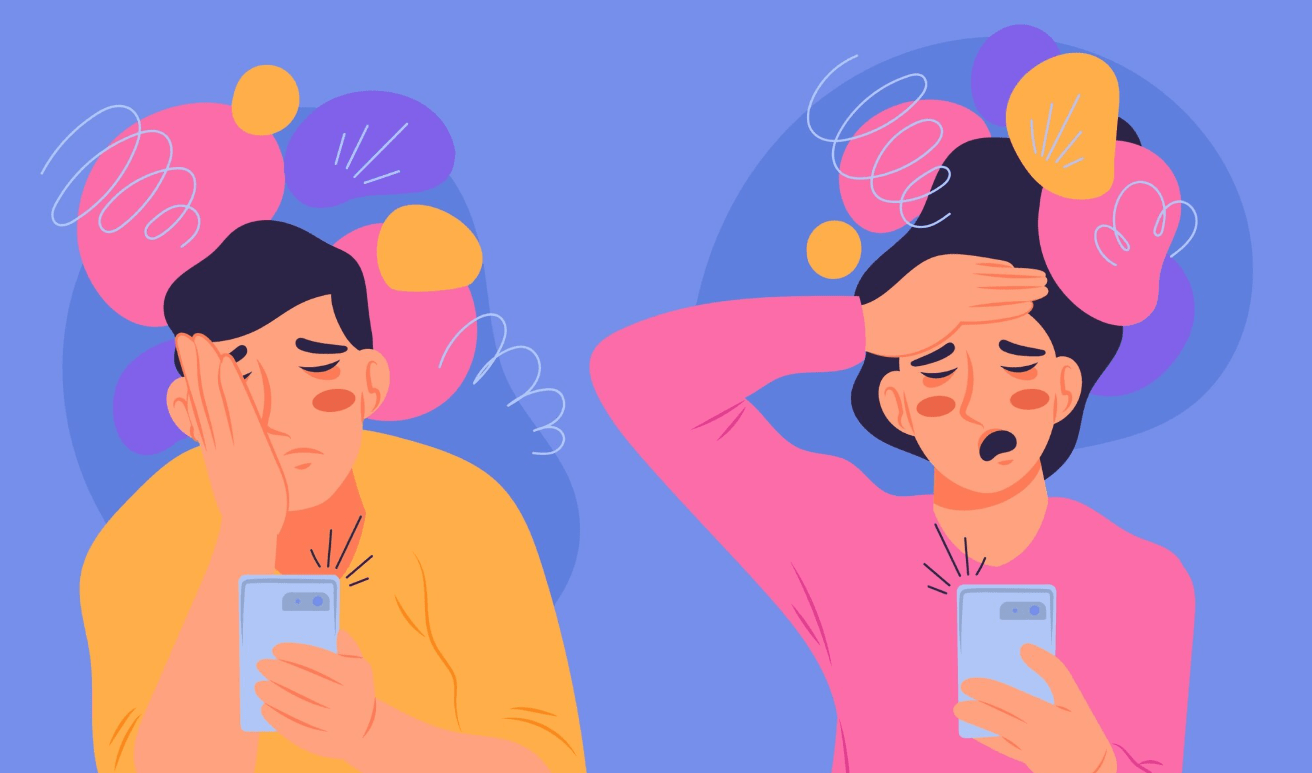
What Causes Brain Fog After COVID?
Scientists are still studying it, but there are a few main theories.
- Inflammation in the brain: COVID can trigger an immune response that affects brain cells. This inflammation might interfere with how neurons communicate.
- Less oxygen and blood flow: During infection, oxygen levels can drop slightly, affecting brain performance even after recovery.
- Stress and fatigue: Illness, isolation, and lack of sleep take a toll on mental clarity.
- Disruption of neurotransmitters: Chemicals that help your brain send signals might become unbalanced after infection.
All these factors can leave your brain feeling “off.” But the effects are usually temporary. Most people improve gradually with rest and the right habits.
How Long Does It Last?
For many, brain fog lasts a few weeks. Others, especially those with severe COVID or long COVID, may notice it for several months. Studies show improvement usually starts around the three-month mark, but recovery speed varies from person to person.
It’s important to be patient. The brain takes time to heal, but it can and does recover.
What Actually Helps Clear Brain Fog After COVID
There’s no single cure, but research and clinical experience suggest several things that really help. Here’s what doctors and scientists recommend.
1. Prioritize Sleep
Your brain heals while you sleep. Aim for at least 7 to 9 hours each night. A good sleep routine resets your memory, focus, and mental energy. Try going to bed at the same time every night, avoid caffeine after noon, and keep screens off an hour before bed.
2. Stay Physically Active
Light to moderate exercise increases blood flow and oxygen to the brain. Even short walks or gentle yoga can help clear your head. Exercise also boosts chemicals like dopamine and serotonin, which improve focus and mood.
3. Eat Brain-Healthy Foods
What you eat affects how your brain works. Focus on foods rich in omega-3 fats, vitamins, and antioxidants. Some examples include:
- Salmon, sardines, and walnuts (omega-3s)
- Blueberries, spinach, and broccoli (antioxidants)
- Eggs, beans, and leafy greens (B vitamins)
Drink plenty of water too. Dehydration can make brain fog worse.
4. Train Your Brain Gently
Mental exercise can help rebuild focus and memory. The key is to start small. Use simple memory or logic games for 5 to 10 minutes daily and increase gradually.
If you want a free tool designed for this, try the Free App to Get Rid of COVID Brain Fog. It includes short, fun games that help train attention and recall without overwhelming you.
You can also check Best App to Clear Brain Fog and Improve Mental Clarity for more options backed by cognitive science.
5. Manage Stress
Stress keeps your brain in survival mode, which makes fog worse. Deep breathing, mindfulness, and relaxation exercises help lower cortisol and restore focus. Even five minutes of quiet time each day can make a difference.
6. Limit Multitasking
When your brain is healing, it can’t juggle too many things at once. Do one task at a time and take breaks. This prevents mental overload and helps your brain rebuild its natural rhythm.
7. Stay Connected and Engaged
Talking with others, learning new things, and staying mentally active all boost brain recovery. Human connection stimulates multiple brain regions and keeps your mind sharp. If possible, do puzzles or play brain games with friends or family members.
What About Supplements or Medications?
Right now, there’s no approved medication for post-COVID brain fog. Some people try supplements like vitamin D, magnesium, or omega-3s, which may help if you’re deficient. But it’s best to talk to your doctor before starting anything new.
When to See a Doctor
If your brain fog doesn’t improve after several months, or if it’s getting worse, talk to a healthcare professional. Sometimes other issues like thyroid problems, depression, or vitamin deficiencies can make symptoms worse.
A doctor can help rule out other causes and create a recovery plan. In some cases, a neurologist or cognitive therapist may help with focused exercises to restore memory and attention.
Tips for Daily Life During Recovery
While your brain heals, small changes can make life easier:
- Keep notes and reminders for important tasks
- Reduce screen time and information overload
- Take short naps if you feel drained
- Use brain games that are fun, not stressful
- Celebrate small improvements each week
You can read more practical ideas in Free App for Curing Brainrot and Restoring Focus and Free App for Improving Your Mind and Mental Clarity.

What Science Says About Recovery
Most studies show steady improvement in people who stay active, get enough rest, and engage their minds. Brain scans even show that regions affected by COVID-related inflamation start to normalize after a few months of consistent self-care and mental activity.
In short, your brain is resilient. It might take time, but it can repair itself with patience and daily effort.
Final Thoughts
Brain fog after COVID can be scary, but it’s usually temporary. Your brain just needs time, rest, and gentle stimulation to recover. Focus on healthy habits, train your mind a little each day, and stay positive.
If you want an easy starting point, try Moadly’s free brain fog recovery app. It’s simple, relaxing, and built to help your brain feel sharper without stress.
Recovery isn’t about pushing harder. It’s about giving your brain what it needs to heal, sleep, movement, nutrition, and a bit of daily mental exercise. Step by step, your focus and clarity will return.