The myth of instant cognitive improvement
The promise is everywhere. Train your brain for five minutes a day and unlock sharper focus, better memory, higher intelligence. Fast results, immediate gains, visible progress. This idea feels natural because modern apps are built around instant feedback. Everything responds instantly, so we expect our brains to do the same.
That expectation is wrong, and it is one of the most damaging myths in the brain training space.
The myth of instant cognitive improvement does not exist because people are lazy or naive. It exists because it feels good, and because it matches how digital products are marketed. When improvement does not happen quickly, people assume the training failed or that something is wrong with them. Neither is true.
Where the myth actually comes from
This idea did not come from neuroscience or cognitive psychology. It came from app stores, ad platforms, and subscription funnels. Saying that attention and memory improve gradually over weeks does not sell. Saying that you can boost your brain in days does. Over time, expectations shifted to match business incentives instead of biology.
The result is a generation of users who believe progress should feel dramatic and immediate. When it does not, motivation collapses. This is why so many people bounce between apps, articles, and routines, constantly searching for the next thing that will finally work.
The brain is not software
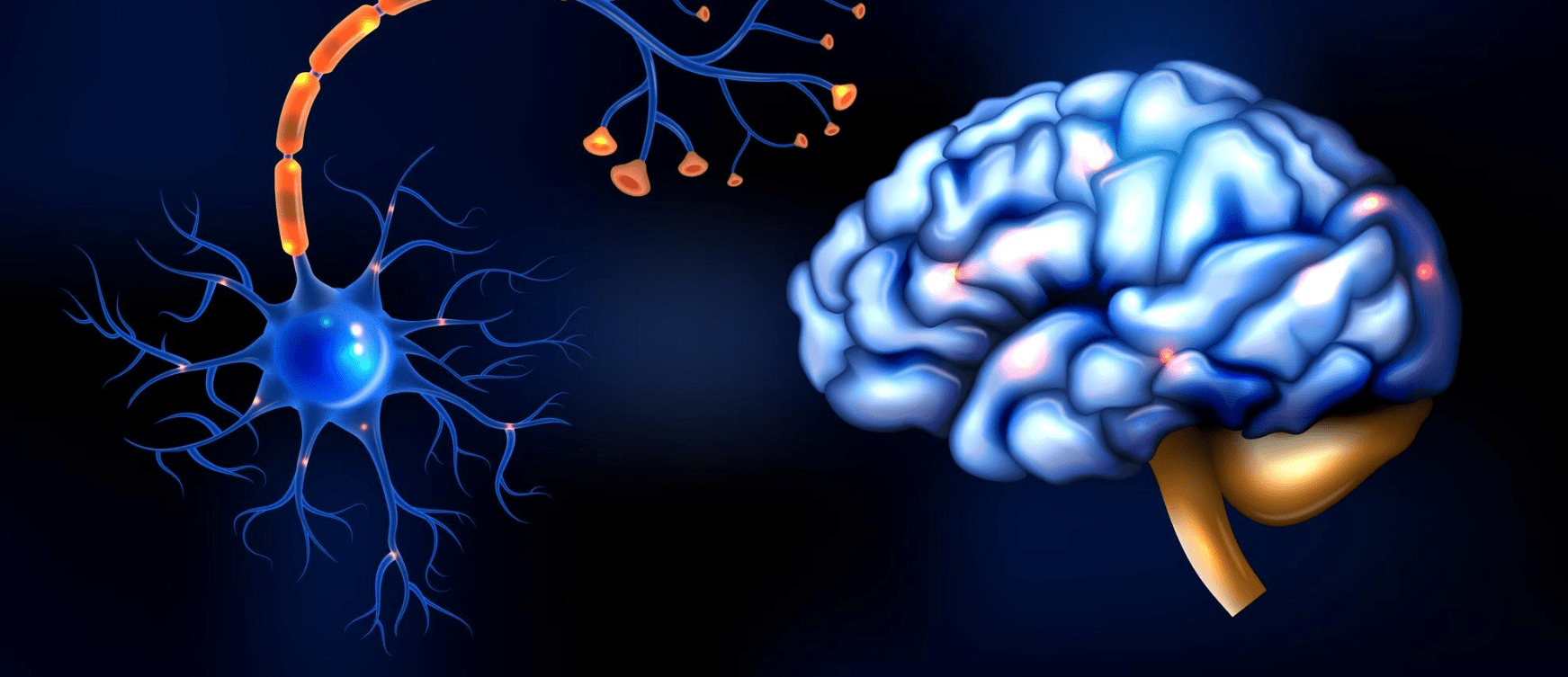
One of the biggest misunderstandings behind instant improvement is treating the brain like software. You do not install focus. You do not download memory. You do not unlock intelligence with a patch or an update. Cognitive abilities emerge from physical changes in neural networks, and those changes require repeated activation, stable conditions, and time.
No clever interface or reward system can bypass this. This is why you can feel engaged instantly but see no meaningful change in daily life weeks later. Engagement is not adaptation.
Why early gains fool people
Many people point out that they do improve quickly at brain games, and they are right. Scores go up fast, reaction times improve, mistakes decrease. The problem is that this improvement is almost always task familiarity. Your brain learns the rules, shortcuts, and patterns of that specific game.
This is not the same thing as improving attention, memory, or reasoning in the real world. It is the same reason someone can get very good at a single puzzle but still struggle to focus during work or conversations. This gap is exactly why pieces like brain games that feel smart but do nothing resonate with so many people.
Transfer is slow by nature
The real goal of cognitive training is transfer. You want improvements outside the app, not just higher scores inside it. Transfer is slow because the brain has to generalize patterns across different contexts. Attention needs to stabilize, working memory needs to become more reliable, and resistance to distraction needs to increase.
None of this happens overnight. If it did, burnout, mental fatigue, and brain fog would not be such common problems, and people would not constantly search for things like how to fix brain fog asap.
Instant feedback creates false confidence
Most brain apps are built around instant feedback. Scores, streaks, sounds, animations, progress bars. Feedback itself is not bad, but when it arrives faster than real adaptation, it creates false confidence. You feel improved before improvement actually exists.
This makes the eventual plateau feel like regression. Users think they are losing ability when in reality they were never building the underlying skill in the first place. The app trained performance on a task, not cognition.
Why plateaus feel like failure
Plateaus are not failure. They are part of adaptation. The brain consolidates changes during rest and repetition, not during constant escalation. Unfortunately, most apps respond to plateaus by increasing difficulty, speeding up timers, or adding more visual noise.
This makes training harder, not better. It also reinforces the belief that improvement should always feel intense and dramatic. In reality, meaningful progress often feels boring.
Stress blocks real improvement

Instant improvement marketing relies heavily on urgency. Do not miss a day. Beat the clock. Push harder. Stress and anxiety directly interfere with memory encoding and attention regulation. You cannot force the brain to adapt faster by pressuring it.
This is why harder games are not always better for your brain, even though difficulty is often sold as progress. Difficulty without stability creates noise, not growth.
Consistency beats intensity
One of the least exciting truths is also the most important. Five to ten minutes a day, done consistently, beats long irregular sessions every time. Consistency creates predictable neural signals. Intensity creates spikes that fade.
This is why daily brain games tend to outperform sporadic high-effort training over the long term. Consistency does not feel like instant improvement, but it is how the brain actually changes.
Why novelty slows progress
Instant improvement myths rely heavily on novelty. New games create excitement, and excitement feels like growth. The problem is that novelty resets learning. The brain spends energy understanding rules instead of reinforcing core skills.
Repetition feels uncomfortable because it exposes limits. Novelty hides them. This is why repetition matters more than novelty when the goal is real cognitive improvement.
Real improvement is subtle
Another reason instant improvement is so appealing is that real improvement is quiet. It looks like needing fewer breaks, recovering focus faster after distraction, and remembering small details without effort. There are no fireworks and no dramatic score jumps.
If you only measure progress through numbers and badges, you will miss it entirely.
Why people quit too early
Most people quit brain training right before it starts working. They expect a noticeable shift within days. When it does not happen, motivation drops and they move on. This reinforces the myth that improvement should be instant.
In reality, attention often improves first, followed by memory stability weeks later. This gradual pattern aligns with the data shared at https://moadly.app/survey/, where users report slow but durable changes rather than sudden breakthroughs.
Why moadly rejects the instant improvement narrative
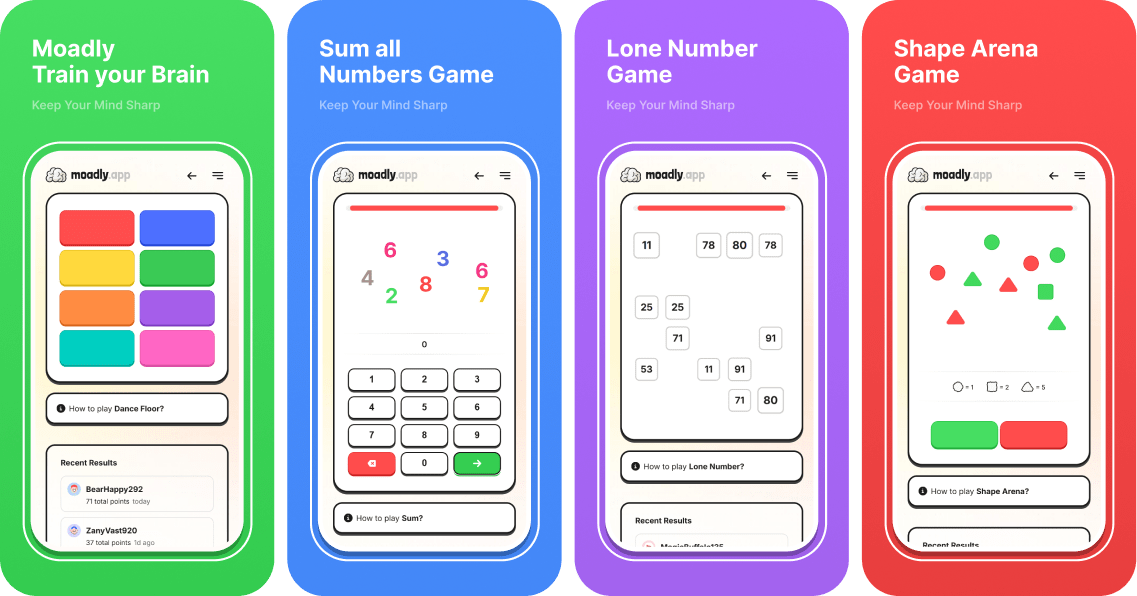
Moadly was built around a simple assumption. If cognitive improvement were instant, everyone would already be optimized. Instead of selling speed, it focuses on short, distraction-free sessions, reinforcing core cognitive skills, and reducing mental noise.
There is no artificial urgency and no inflated claims. The goal is not to impress you today. It is to support your brain adapting over time.
How to spot realistic brain training
Tools grounded in reality share a few traits. They set expectations in weeks, not days. They emphasize consistency over intensity. They avoid constant novelty and protect focus from interruptions.
If an app promises instant transformation, it is selling motivation, not neuroscience.
The real cost of the myth
The myth of instant cognitive improvement does more than disappoint users. It makes people distrust their own ability to change. When fast results do not appear, people internalize failure and start searching for explanations like what am I lacking if I have brain fog instead of questioning unrealistic expectations.
This is not a personal flaw. It is a framing problem.
The honest conclusion
Your brain is not slow. Your expectations are fast. Real cognitive improvement is not instant because it is real. It takes repetition, consistency, and time. Any tool that respects your brain will tell you this. Any tool that avoids this truth is designed to keep you hopeful, not to help you improve.
The myth of instant cognitive improvement is comforting. The reality is empowering. Change is possible. It just does not happen on demand.