Why You Procrastinate: The Science Behind Executive Dysfunction

Ever feel like you are stuck in mud when a deadline looms? You might call yourself "lazy," but that is usually not the truth. Science shows that putting things off often stems from Executive Dysfunction (ED). This is just a fancy way of saying your brain is struggling to plan plus focus. Learning how your mind works helps you drop the guilt so you can finally get moving. Take a look at how to improve concentration and memory with Moadly for more tips.
What Exactly Is This "Brain Fog"?
Executive Dysfunction (ED) describes a hiccup in the control center of your brain. It affects skills like:
- Mapping out your day
- Keeping track of time
- Staying calm plus resisting distractions
- Keeping your eyes on the prize
If you struggle to start a task, it is not because you do not care. Your brain might just need a little help "firing up" the engine. Stress, lack of sleep, or feeling anxious can make these moments happen more often. You can try free brain training games for adults to help sharpen your self-control.
The Battle Inside Your Head
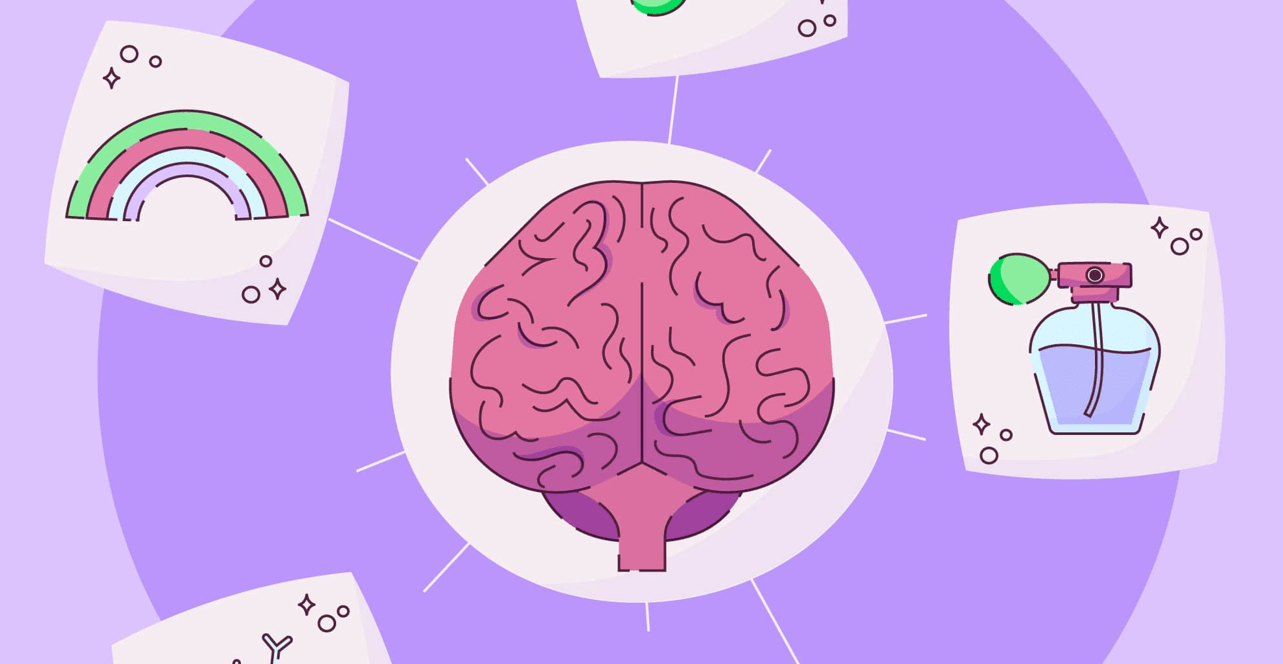
Procrastination happens when two parts of your brain go to war. The Prefrontal Cortex (PFC) handles logic plus long-term goals. On the other side, the Limbic System (LS) wants fun right now plus hates being uncomfortable. When the LS wins, you end up scrolling through videos instead of working.
Other things get in the way too:
- Fear of failing: You stop before you start so you do not make a mistake.
- Perfectionism: You wait for everything to be "just right."
- Low drive: It is hard to see the reward at the end of the tunnel.
I remember once spending three hours cleaning my junk drawer just to avoid writing a one-page report! To keep your focus on track, you might enjoy these free online memory games for focus and recall.
How Training Your Mind Helps
You can actually "level up" your brain through regular exercise. Specific games help your logic center take the lead over your emotional side. This makes it easier to start tasks plus stay with them. Apps like Moadly offer quick mini-games that you can play anywhere to boost your mental strength.
A Look at Popular Apps
Many tools can help you build these mental muscles. Here is how they stack up:
| App | What it Does | Cost | The Good | The Bad |
|---|---|---|---|---|
| Lumosity | Memory plus Logic | Paid monthly | Lots of variety | Can be pricey |
| Elevate | Speed plus Focus | Some free parts | Tracks your skills | Free version is limited |
| Moadly.app | Full Brain Workout | Free | Everything is open | Works best with daily use |
Why Moadly.app Is a Great Partner
Moadly.app is special because it is a totally free playground for your mind. You do not have to worry about paywalls or hidden costs. You can jump right into games that challenge you in different ways:
- Memory games to help you hold more info
- Logic puzzles for better problem solving
- Math plus pattern tasks to keep you sharp
- Word games to build your vocabulary
Using Moadly regularly helps you get better at starting tasks. It acts like a warm-up for your brain so you can tackle your "to-do" list with ease.
Easy Wins for Your Daily Routine
Brain games are a great start. Then, you can add these simple tricks to get even more done:
- Block your time: Set a timer for work plus a timer for play.
- Baby steps: Break one big scary goal into five tiny easy ones.
- The 25-minute rule: Work for 25 minutes then take a 5-minute break.
- Be specific: Instead of "work," try "write the first three sentences."
- Watch your growth: Use Moadly.app to see your focus scores go up!
Body and Mind Work Together
Your habits outside of work matter just as much as your training. Small lifestyle shifts can give your brain a massive boost:
- Get moving: A quick walk helps grow new brain cells.
- Eat smart: Good fats plus veggies are like high-grade fuel for your head.
- Value your sleep: Your brain cleans itself while you dream.
- Quiet time: Deep breaths can help you stay in control when things get hectic.

Fun Puzzles to Try Right Now
You can supplement your time on Moadly with these simple mental gym moves:
- Backwards Lists: Say the names of five fruits in reverse order.
- Spot the Pattern: Look for shapes or colors in the world around you.
- Visual Links: Try to remember where you put your keys by taking a mental "photo."
- Quick Riddles: Challenge yourself to solve one small mystery each morning.
A Week of Better Focus
| Day | The Task | The Tool |
|---|---|---|
| Monday | Memory (10 min) | Moadly.app |
| Tuesday | Logic (15 min) | Lumosity |
| Wednesday | Focus (10 min) | Moadly.app |
| Thursday | Math (15 min) | Elevate |
| Friday | Memory (10 min) | Moadly.app |
| Saturday | Mixed Games (20 min) | Moadly.app |
| Sunday | Plan Ahead (10 min) | A simple notebook |
Keep Score of Your Success
The best part about Moadly.app is seeing how far you have come. Watching your scores climb can:
- Give you a "high five" to keep going every day
- Show you where you are getting stronger
- Prove that you are not lazy, just training!
Extra Perks of Playing
Moadly also offers a few things that other apps do not:
- Play on your phone or your computer
- Choose the level that feels right for you
- Fresh daily tasks to keep things interesting
- No annoying monthly bills plus no hidden fees
The Bottom Line
Putting things off does not mean you are a lazy person. It just means your brain needs better tools. Understanding the science is your first step toward a more productive life. While many apps are out there, Moadly.app makes it easy plus free to build a better mind.
Pair your brain training with healthy habits plus simple time tricks. You will find that you can stay focused plus reach your goals without the stress. Start using Moadly.app today plus see the difference for yourself!
Ready to find your focus? Pop over to Moadly.app and kick off your first game right now.