How to Develop Emotional Intelligence in Your Kids: 11 Practical Tips

Building emotional intelligence is one of the best gifts you can give your child. It helps them understand their own feelings plus connect with others. This skill lets them handle life's twists and turns with real confidence. You cannot just memorize this from a textbook. It is a skill grown through daily life, empathy, plus honest talk.
As a parent, you are the main coach for your child's heart and mind. The good news? You do not need to be a doctor to help them grow. I am going to share 11 simple tips you can use right now. These will help your child spot feelings, deal with being upset, plus make better friends.
What Is Emotional Intelligence?
Emotional intelligence (people often call it EI or EQ) is the power to notice and manage feelings. This includes your own emotions plus the feelings of people around you. For a kid, this might look like staying cool after losing a board game. It could also mean giving a hug to a sad friend or using words when they feel mad.
Experts usually break EQ down into five simple parts:
- Self-awareness: Knowing exactly what you feel and why.
- Self-regulation: Keeping your cool so emotions do not take the wheel.
- Motivation: Staying upbeat even when things get really hard.
- Empathy: Stepping into someone else's shoes.
- Social skills: Making strong and kind connections with others.
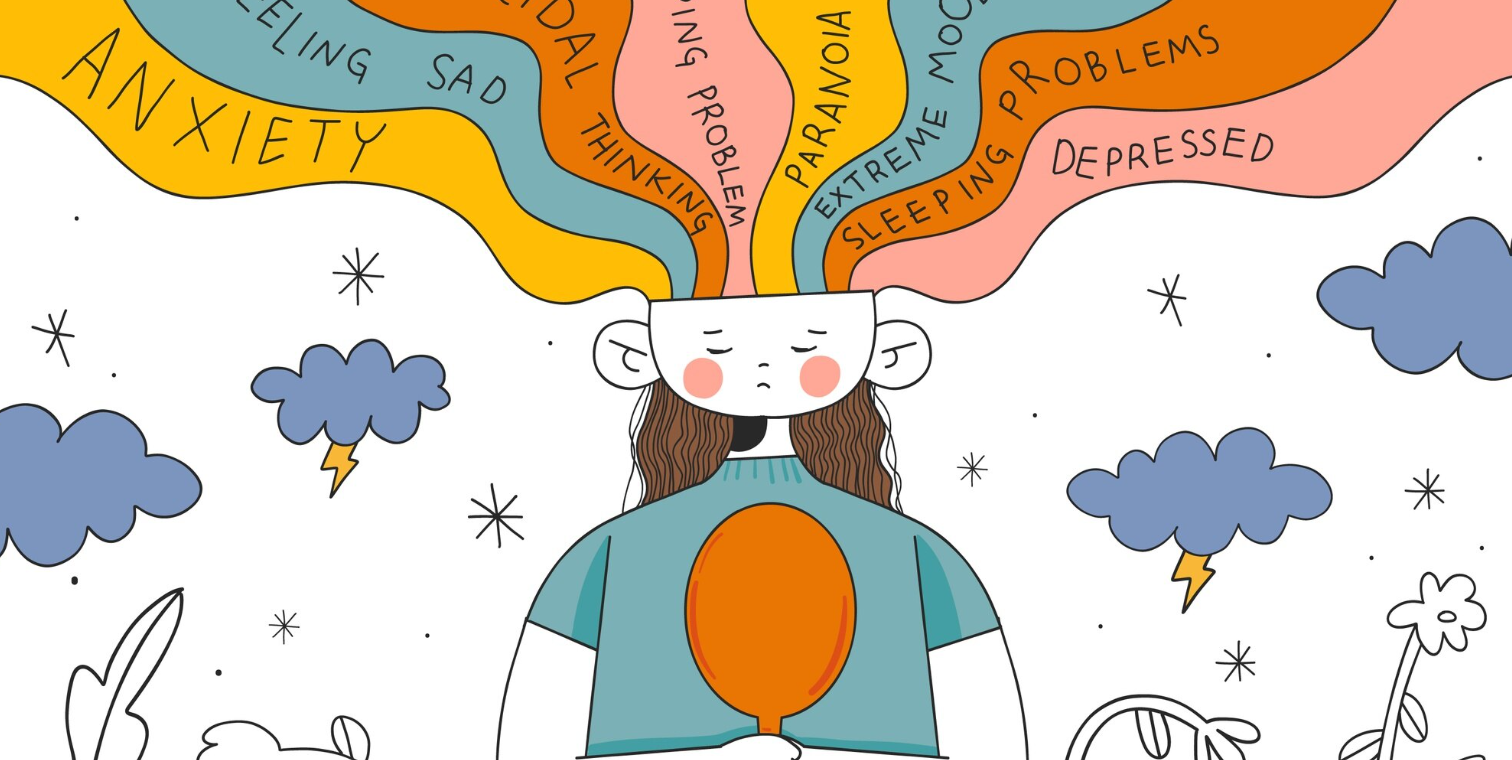
Why This Skill Really Matters
Helping your child build EQ changes everything. Kids with high emotional intelligence usually have more friends plus do better in class. They handle stress without falling apart. They grow up to be brave adults who can face big challenges without feeling totally swamped.
School grades are great, but EQ is what helps kids use that knowledge in the real world. It teaches them to speak up clearly plus think before they act. These skills make life easier and keep relationships solid. Plus, it makes your home a much calmer place!
11 Easy Tips to Build Emotional Intelligence
1. Show Them How It Is Done
Your kids watch everything you do. If you stay calm when you are frustrated, they will learn to do the same. I once told my daughter, "I am feeling a bit grumpy because I am tired, so I am going to sit quietly for a minute." It showed her that even grownups have feelings plus ways to handle them.
2. Name the Feeling
When your child is upset, help them find the right word for it. You might say, "I see you are sad that your tower fell over." This links the emotion to the moment. It tells them that big feelings are okay plus that you understand them.
3. Spark a Little Empathy
Ask simple questions about other people. You could ask, "How do you think your friend felt when you shared your snack?" These quick chats teach them to be kind. Then, they start to notice how their actions affect others.

4. Help Them Find Their Calm
Teach your child how to "reset." They could try deep breaths, counting to ten, or just taking a short walk. These habits build patience. So, they will be better prepared for tough moments at school or on the playground.
5. Chat About Feelings Often
Make "heart talk" a normal part of your day. At dinner, you can ask, "What was the best part of your day?" or "Did anything make you feel frustrated?" The more you talk about it, the easier it gets for them to open up.
6. Play Games and Read Stories
Books plus games are amazing teachers. Stories show kids how characters solve problems. Even brain training apps can help. By boosting focus and mental flexibility, kids learn to pause before they react. It gives the brain time to catch up with the heart.
A great tool is Moadly.app. It is a free app with fun math plus logic games. These short tasks improve memory plus problem-solving. It is a perfect way for the whole family to stay sharp in just a few minutes.
7. Cheer for the Hard Work
When your child tries hard, tell them you noticed. Say, "I love how you kept trying even when that puzzle was tough." This is better than just saying "You are smart." It teaches them that keep-on-going attitude that leads to success.
8. Keep the Rules Clear
Kids feel safe when they know where the lines are. Use kind but firm rules. Explain why self-control is important. Then, they will understand that their choices have real results.
9. Fix Problems Together
When a fight breaks out, do not just jump in and fix it. Ask your child, "What can we do to make this right?" This helps them take the lead. They learn how to talk through a mess instead of just crying about it.
10. Count Your Blessings
Start a tiny gratitude habit. Each day, ask your child to name one thing that made them happy. This keeps them looking for the good in life. Plus, it builds a very warm heart.
11. Be Patient and Keep at It
You cannot build a strong heart overnight. It takes time plus lots of practice. Just keep being a good example. The more you listen plus show kindness, the more your child will do the same.
Watch Out for These Common Slips
We all make mistakes as parents. Try your best to avoid these three things:
- Trying to hide every sad or hard thing from your child.
- Saying things like "You are fine" when they are clearly hurting.
- Only looking at the "bad behavior" instead of the feeling behind it.
Fun Ways to Grow Together
You can make emotional growth feel like a game. Try these ideas:
- Play "Guess the Feeling" using only your face plus body.
- Keep a simple "feelings notebook" with drawings of their day.
- Use Moadly to play quick memory games as a team.
- Have a two-minute family check-in before bed every night.
Wrapping Up
Growing your child's EQ is a massive win for their future. You do not have to be perfect. Just help them understand their heart plus how to be kind to others. Every small chat counts.
Your brain and your heart both need exercise to stay strong. Whether you are talking through a tough day or playing a quick game on Moadly.app, you are helping your child grow. Keep it up plus enjoy the journey!
Want to give it a go? Visit Moadly.app today and start a fun new habit with your child.