How to Stay Focused During Mental Burnout
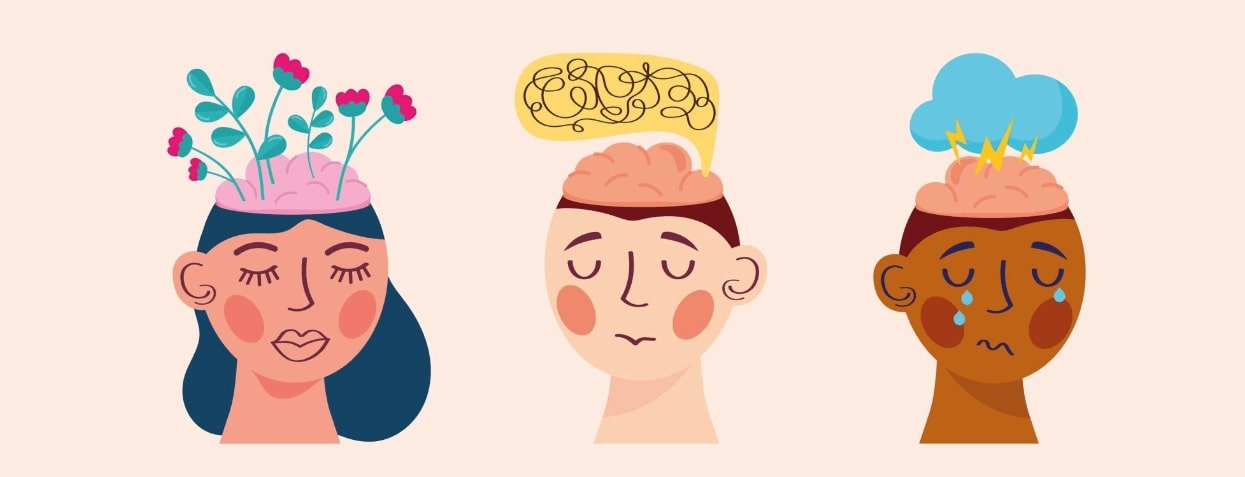
Burnout is brutal. It eats patience. It steals clarity. It makes simple tasks feel like hauling a boulder uphill. You know the feeling. You stare at a document and nothing sticks. You try to finish a sentence and your mind drifts. You feel tired in a way that sleep does not fix.
If you want tools that gently rebuild attention, things like quick brain exercises and small routines help. Apps such as Moadly have short mini-games designed to wake tired thinking. They are easy to slide into a break. They do not demand energy. That matters when burnout has already drained you.
Understand what burnout does to focus
Burnout is not laziness. It is not a lack of willpower. It is the brain downshifting to protect itself. That means working memory shrinks. Motivation drops. The prefrontal cortex, the part of the brain that organizes thoughts, makes plans, and resists distraction, loses power.
So the usual advice to “just concentrate” feels hollow. You need strategies that respect the brain’s reduced capacity. You need slow ramps back into attention. You need small wins that rebuild confidence. That is what this guide does.
Short wins beat long sessions
When your mind is fried, long work sessions are useless. They make you feel worse. You need short wins. Tiny, repeatable actions that create momentum. Think minutes, not hours.
Here are three starter moves you can use immediately, in this order. Do them now. They are unglamorous and they work.
1) Stand up. Move for 60 seconds. Walk to the window. Breathe.
2) Drink a full glass of water. Hydration helps focus.
3) Set a timer for six minutes. Work on one small task. Stop when it rings.
Do these three things and you will often get more done than in a whole hour of distracted “working.”
Micro-rests: reset without losing momentum
Rest does not need hours. Two to three minute resets are powerful if you use them right. The trick is to make these resets active. Quiet, but purposeful.
Here are micro-rests that restore attention without demanding energy.
Breath box. Breathe in for four counts. Hold two. Exhale six. Repeat four times. Simple and grounding.
Vision break. Look at something 20 feet away for twenty seconds. This relaxes eye muscles and eases tension that hides as fog.
Noise reset. Put on noise-cancelling headphones or earbuds for two minutes. No music. Just silence. Let your mind settle.
Do these between your short work windows. They are small, but they stop the mental bleed from one task to the next.
Lower friction, not standards
Burnout makes every decision expensive. Which shirt. Which email. Which tab to open. Those tiny choices add up and grind the brain down. The answer is to lower friction, not lower standards.
Lower friction means: make fewer decisions. Pre-decide small things. Standardize your day. When your environment gives you fewer choices, your brain can save energy for real thinking.
Practical moves you can do right now:
- Use one browser tab for work. Close the rest.
- Set your phone to Do Not Disturb for focus windows.
- Choose one priority for the day. Protect it. Everything else waits.
These are small constraints. They feel restrictive. But they free up mental bandwidth fast.
Work in the right windows
Burnout creates narrow windows of usable focus. They may appear early in the morning. Or late at night. They may be brief. The important thing is to find them and use them.
Track your focus for three days. Note when you feel clearer. Note when you can read a paragraph without wandering. Those are your windows. Reserve them for your most important work. Shift meetings and low-value tasks out of those slots.
It is not a perfect solution. But aligning the hard work with your clearer moments makes progress feel possible again.
Use micro-sprints and gentle ramping
Micro-sprints are short, intense pushes. Think 6 to 12 minutes of focused work. Then a break. Then repeat. They beat long sessions when you are drained.
Two methods that pair well with micro-sprints:
Timer focus. Set a short timer. Do one clear task. Close the tab when the timer rings. Even if you leave the task half done, you win because you practiced focus.
Ramping. Start with an easy, automatic step before the hard part. For example, open your document and copy the first sentence from your notes. That tiny action sends a signal to the brain: this is doable. Momentum follows.
Train focus with low-pressure practice
When burned out, heavy training is toxic. But short, gentle practice helps the brain recover skill. Think of it as rehab for attention. You want small, consistent practice that rewards success, not punishment for failure.
Good formats are:
- Two minute memory drills.
- One minute pattern games.
- Short arithmetic rounds that do not demand deep concentration.
These are easy to fit into breaks. They wake the brain without overwhelming it. If you want ready-made options for this, use tools like Moadly. Moadly mini-games are fast and structured. They are written to stimulate thinking without causing extra stress.
Control stimulation, don’t cut it
Blank silence can be scary when your mind is fragile. The goal is not to be hermetic. It is to control stimulation so your brain can work. Turn off distracting notifications. Wear headphones if ambient noise bothers you. Use simple background sounds if they help. The key is predictability.
When stimulation is predictable, your brain spends less energy on surprises and more on the task at hand.

Use the environment to guide attention
External cues simplify internal effort. Small changes in your space tell your brain what is expected right now.
Examples you can use today:
- A specific cup for focus sessions. Only use it while you work. The cup becomes a cue.
- A single playlist or sound that indicates work time. Wearing the same headphones signals the brain it is time to focus.
- Move to a different chair for writing. The location change reduces habitual distraction.
These tweaks are ritual in the best sense. They reduce friction and help the brain engage with less effort.
Break tasks into visible steps
When your brain is foggy, a full task looks like a cliff. Break it into visible steps so the barrier disappears. Each step should be obvious and small enough to finish in a micro-sprint.
Example for writing:
1. Open document. 2. Paste three bullet points from research. 3. Write a two sentence intro. 4. Pause and reset.
Seeing progress keeps the brain engaged. It rewards small wins. Burnout prefers this approach because it reduces the feeling of overwhelm.
Protect recovery time like a real appointment
Rest is not optional. When youa re burned out, rest is the core work. But most people treat rest as a gap between productivity. That is backward. Treat rest as scheduled work. Block it on your calendar. Do not let meetings or pings eat it.
Real rest is not doomscrolling. It is intentional downtime: short walks, low-stakes social time, light reading, naps, or gentle hobbies. These restore cognitive capacity more reliably than passive scrolling.
Nutrition and movement matter more than you think
Burnout lowers tolerance for bad habits. Poor nutrition and lack of movement make focus collapse faster. Small, practical changes make an immediate difference.
Do these things today:
- Drink water when you wake up.
- Eat something with protein before a focus window.
- Stand and move for two minutes every hour.
These steps feed the brain basic needs and remove small obstacles to attention.
When to ask for help or change pace
Sometimes the right move is to stop. If you are chronically unable to sleep, if emotional numbing is severe, if you cannot manage daily tasks for long, consider professional help. Burnout can be a signal that workload, expectations, or life rhythm need fixing.
Asking for help is not a failure. It is an intelligent response. Short-term delegation, a lighter schedule, or therapy are all reasonable interventions. They speed recovery and prevent relapse.
Use short habits to build momentum
Big change is slow. Small, daily habits build momentum. The focus you want comes from thousands of tiny, successful attempts. Keep the bar low. Celebrate tiny wins. Over weeks, those wins compound into a reliable ability to focus.
Examples of tiny habits:
- One 6-minute sprint every morning.
- One two-minute brain game during lunch.
- One thirty-second vision break each hour.
Keep it tiny. Keep it daily. The brain prefers slow, repeated practice over heroic bursts.
Quick tools and links you can use now
If you want some short supports to plug into your day, these are useful:
| Tool | Why it helps |
|---|---|
| Moadly | Short cognitive games for memory, pattern, and focus. Perfect micro-sprints. |
| Timer app | Use for micro-sprints and strict breaks. |
| Water bottle | Simple cue for hydration and resets. |
That table is intentionally small. Use it as a checklist when you are foggy. These tools help you act when your willpower is low.

How to gradually return to longer focus
Recovering deep focus takes time. Do not expect to read a long book the day burnout ends. Follow a slow, deliberate plan.
Steps to rebuild endurance:
Week 1: Micro-sprints. 6 to 12 minutes repeated. Focus on one small task at a time.
Week 2: Extnd a sprint to 15 or 20 minutes. Keep long breaks. Add a 10 minute uninterrupted reading session once a day.
Week 3: Add a 30 minute focus block once every other day. Keep rest and micro-practices.
Slowly increasing time avoids relapse. It teaches the brain to tolerate attention without being overwhelmed.
Final note
Be gentle with yourself. Burnout makes you hypercritical. It will call you lazy. It will lie. You are not lazy. You are recovering. Treat your brain like a muscle that needs rehabilitation. Use short practice. Use small wins. Use rest.
If you want structured short exercises that are safe during burnout, try Moadly. The sessions are bite-sized and targeted to rebuild memory and focus slowly. Pair the apps with the micro-rests and micro-sprints in this article and you will begin to feel better, day by day.
You do not need to be perfect. You only need to do the next small thing. That is how focus returns.