Best app for practicing memory, focus, and mental agility
.png)
If your memory feels a bit fuzzy lately, you are not broken. Life is loud. Notifications never stop. We multitask like it is a sport. Forgetting names, losing focus mid sentence, or rereading the same paragraph five times is now extremely normal.
The good news. Memory is not fixed. It is trainable, flexible, and surprisingly responsive when you give it the right kind of stimulation. Not grind. Not stress. Just smart, repeatable habits that work with how the brain actually functions.
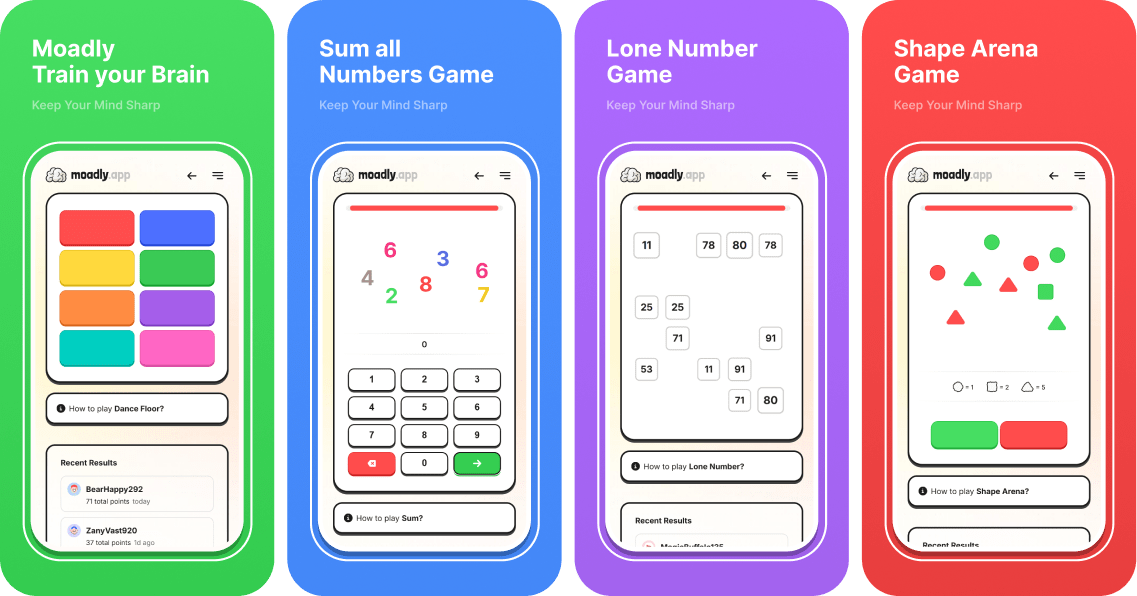
Over the last few years, tools like moadly.app have become popular because they focus on exactly that. Short, engaging brain challenges that target memory, focus, logic, and mental agility without turning it into homework.
Below are the best ways to improve memory in real life, how brain training fits in, and why people are seeing actual results instead of hype.
Quick highlight before we go deeper. In a recent Moadly survey, 78% of participants reported at least some form of improvement in memory after consistent use. Not magic. Just repetition done right.
First, what memory really needs to improve
Most memory advice is either too vague or too extreme. You do not need monk level discipline. You also do not need ten supplements and a five hour routine.
Memory improves when these foundations are in place.
- Attention. You cannot store what you never fully noticed.
- Repetition with variation. Same skill, different angles.
- Challenge without overload. Slight discomfort is good. Burnout is not.
- Emotional engagement. Boring information rarely sticks.
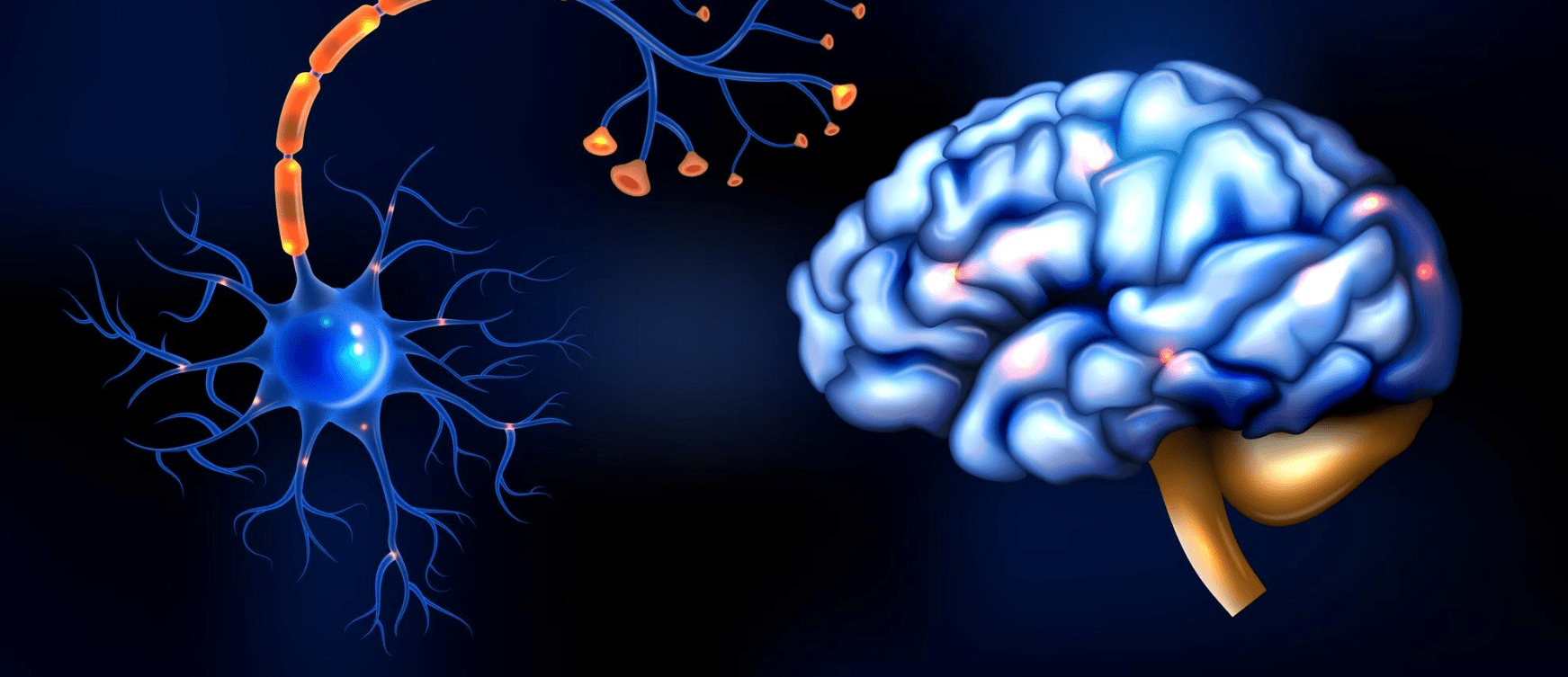
This is why fast, interactive brain games tend to work better than passive learning. You can see this idea explained in detail in how brain games stimulate neuroplasticity and focus.
Daily habits that quietly boost memory
Before even opening an app, there are small changes that compound fast.
- Single task for short bursts. Even 10 focused minutes matters.
- Move your body. Light exercise increases blood flow to memory centers.
- Sleep consistency. Memory consolidation happens while sleeping.
- Reduce mental clutter. Too much screen time fragments attention.
If brain fog is part of the problem, these guides are useful entry points.
- How to fix brain fog asap
- What am I lacking if I have brain fog
- The impact of screen time on brain fog and focus
Why games are surprisingly effective for memory
Games get dismissed because they feel fun. That is exactly why they work.
When a task feels playful, the brain stays alert longer. Dopamine is involved. Mistakes feel safe. You repeat attempts willingly. This loop is ideal for strengthening memory circuits.
Well designed brain games focus on skills like.
- Working memory
- Pattern recognition
- Speed of recall
- Attention switching
You can see examples across categories in best free brain games to play right now and brain test games that actually train your mind.
Where Moadly fits into real memory training
Moadly is not built around endless levels or flashy distractions. The design is intentional.
Sessions are short. Feedback is immediate. Difficulty adapts. That combination keeps you in the sweet spot where learning happens.
People use it differently.
- Morning mental warm up
- Focus reset during work breaks
- Light cognitive training for seniors
- Logic and memory games for kids
If you want context, check what doctors think about brain training apps.
Memory improvement across different ages
| Age group | Common challenge | Helpful approach |
|---|---|---|
| Kids | Attention and learning retention | Educational games that feel playful |
| Adults | Distraction and mental fatigue | Fast paced focus and memory drills |
| Seniors | Recall speed and consistency | Gentle repetition and logic puzzles |
You can explore age specific ideas here.
- Educational games for kids
- Free brain games for seniors
- Fun senior games that keep your brain active
Memory, focus, and IQ are connected
People often ask whether memory training can increase intelligence. The honest answer. It improves the skills intelligence relies on.
Better memory means faster problem solving. Better focus means fewer mistakes. Over time, that shows up as improved performance.
If you are curious, these reads go deeper.
How to actually use brain apps without burning out
This part matters more than the app itself.
- Keep sessions short. Five to fifteen minutes.
- Stay consistent. Daily light training beats weekly marathons.
- Stop before frustration. Progress drops when stress spikes.
- Mix game types. Memory, logic, attention.
This approach is similar to what is recommended in daily brain games to wake up your mind and how to stay focused during mental burnout.

Common myths about memory improvement
- Myth. You only use 10 percent of your brain.
Reality. You use all of it, just not efficiently. - Myth. Memory loss is inevitable with age.
Reality. Decline is influenced heavily by lifestyle. - Myth. More difficulty is always better.
Reality. Optimal challenge matters more.
If you enjoy debunking brain myths, read how can we unlock the 90 of our brain that we never use and how can I use my brain 100 power.
Community and feedback matter
One underrated factor in consistency is community. Seeing other people train their minds makes it feel normal instead of niche.
Moadly has an active forum where users share progress, tips, and game strategies. It removes the isolation factor that makes most self improvement attempts fade.
Final thoughts that actually help
Improving memory is not about becoming superhuman. It is about making daily life smoother.
Remembering names without panic. Staying focused long enough to finish a thought. Feeling mentally sharp instead of foggy.
Tools like Moadly work because they respect how humans learn. Short. Engaging. Repeatable. Backed by real feedback like the 78% reported improvement from the community survey.
If you treat memory like a skill instead of a trait, it responds. Quietly at first. Then noticeably.