How to Regain Focus After Illness or Fatigue
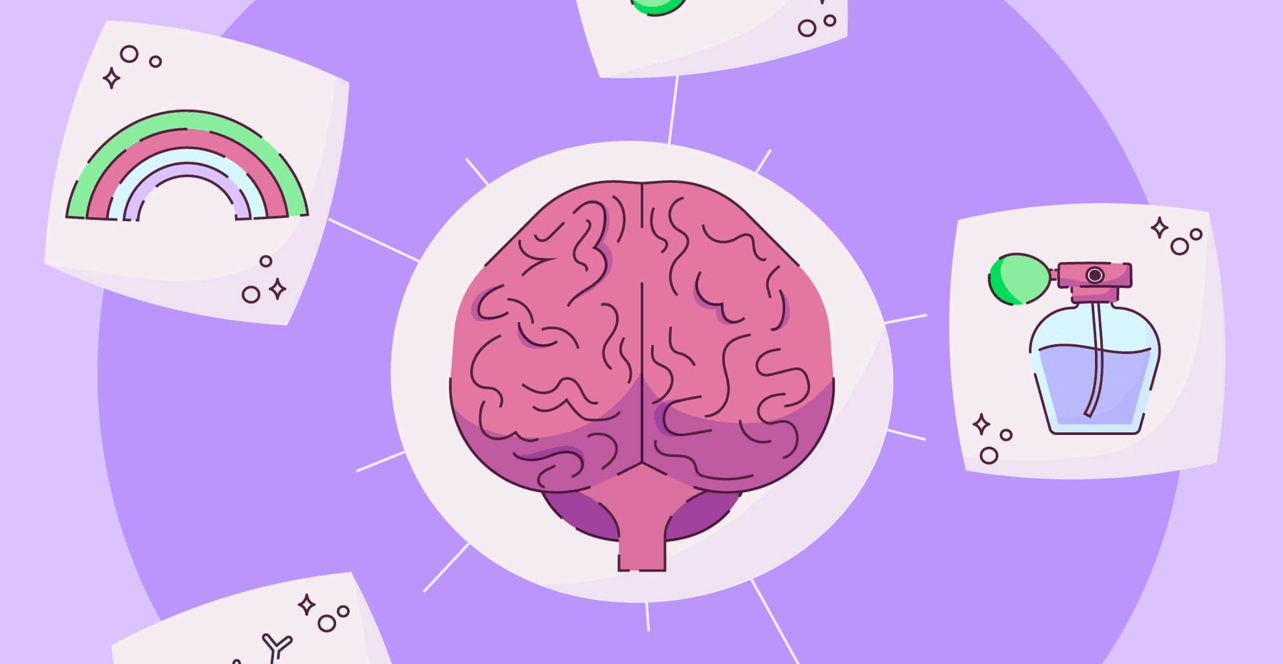
Getting sick can scramble your thoughts plus leave you feeling stuck. Even after the fever breaks, your mind might feel slow, heavy, plus drained.
You may forget why you walked into a room or feel like your brain is wading through thick mud. It is annoying, but it is also very normal. I remember feeling like a zombie for weeks after a bad flu last year. Many people feel this mental slump after a long illness or a bout of heavy fatigue.
The good news is you can get your spark back. Your brain is a tough organ plus it knows how to bounce back. With steady habits plus the right tools, you can rebuild your energy. You might like to try quick daily games on apps like Moadly. It helps wake up your mind through fun puzzles that sharpen your memory plus attention.
Why Your Focus Takes a Hit
When you are sick, your body funnels all its power into getting well. Your immune system grabs the fuel that your brain usually uses for deep thinking. This is why "brain fog" often sticks around after the physical symptoms fade. It is like your mental engine is running on low-quality fuel.

Here are a few reasons your focus might feel a bit blurry:
- Inflammation: The healing process can make your head feel heavy plus tired.
- Lack of rest: Poor sleep makes your memory slow plus your reactions dull.
- Dehydration: Not drinking enough water can make it hard to concentrate.
- Stress hormones: Feeling run down raises Cortisol (the stress hormone) which clouds your thoughts.
- Disuse: If you rest for too long, your brain misses its daily workout.
People often call this Post-Illness Brain Fog (PIBF). It happens a lot after viruses or long periods of stress. Do not worry because it is not permanent. You just need to give your brain the right activities to get it moving again.
1. Take It One Small Step at a Time
You should try not to rush your recovery. Your brain is still healing, so you can start with very light mental shifts. Think of it like a gentle stretch before a long run. You would not try to lift heavy weights with a sore muscle, so treat your mind with the same care.
Try focusing for just a few minutes instead of an hour. You could spend five minutes reading a book or playing a memory game for focus on Moadly. Take a break as soon as you feel a bit tired. Then you can try again later. Small wins help you build up your mental strength safely.
2. Use Games to Reset Your Mind
Brain games are great because they target your attention directly. Moadly games are helpful since they are fast plus require you to stay active. You do not have to sit through long drills or hard lessons. Each round only takes a minute or two, so it keeps your brain alert without burning you out.
You can try these options:
- Games that clear brain fog to help your memory.
- Quick math puzzles to wake up your logic.
- Critical thinking games to help you solve problems again.
You might start with just one game each day. Soon, your brain will get better at "switching on" when you need to get things done.

3. Give Your Body a Little Movement
Physical activity sends more blood plus oxygen to your head. You do not need to hit the gym for a hard workout. A ten-minute stroll or some light stretching can do the trick. It clears out the cobwebs plus makes it easier to stay on task.
Here is a simple routine to try while you recover:
- Walk outside for a few minutes after you eat breakfast.
- Stand up plus stretch every hour.
- Try deep breathing when you feel a bit foggy.
The goal is to gently tell your mind plus body that it is time to wake up again.
4. Build Your Stamina Slowly
Focus is a lot like a muscle. When you are sick or burned out, it gets weak because you are not using it. You can build it back up by doing short tasks plus slowly adding more time. This helps your brain get used to working again.
Try this easy schedule:
| Time | Activity | Duration |
|---|---|---|
| Morning | One quick Moadly game | 5 minutes |
| Midday | Read a short article or solve a puzzle | 10 minutes |
| Evening | Play a logic or memory game | 5 minutes |
It sounds simple, but doing it every day is what matters most. After a week, you will likely notice that your mind stays sharp for longer bursts.
5. Get Back into a Groove
Losing your daily rhythm can really hurt your focus. You might sleep late, skip meals, or stay in bed all day. Getting back to a routine helps your brain reset its clock. It makes your mind feel much more organized.
You could start by setting tiny goals. Try to wake up at the same time each morning. Eat your breakfast at the table instead of on the couch. Spend a few minutes on a memory training app or a math puzzle. Order plus structure help your mind switch back into "active mode."
6. Feed Your Brain Right
It is easy to forget that your brain needs good food to work well. After a cold or flu, you might be low on the nutrients that help you concentrate. You should drink plenty of water plus eat foods with healthy fats plus vitamins. These help your brain cells fix themselves plus make energy.
Try adding these foods to your plate:
- Blueberries plus oranges
- Walnuts plus pumpkin seeds
- Eggs plus spinach
- Whole grains for steady power
Then you can combine these healthy meals with mental play to see faster results.
7. Prioritize Your Rest
Sleep is the best way to fix a tired brain. When you are recovering, your mind needs extra time to repair connections. Even one night of poor sleep can make you feel foggy for days. It is like trying to run a computer on a dying battery.
You can try these tips for better rest:
- Wake up plus go to bed at the same time daily.
- Put your phone away 30 minutes before sleep.
- Make sure your room is cool plus dark.
- Read a paper book to help you wind down.
When your sleep gets better, your mental energy will follow right along.
8. Practice Focus with Daily Chores
You do not have to just use games to train your mind. Daily tasks can be great practice too. Cooking a meal or cleaning your desk requires you to pay attention. You could try doing one task at a time without looking at your phone. No multitasking allowed!
Digital tools are still great for tracking your path. Apps like Moadly show you how you are doing. You can watch your speed plus memory scores go up each week, which feels great when you are getting better.
9. Watch for Long-Term Signs
If your focus does not come back after a few weeks, you might want to talk to a doctor. Sometimes long fatigue can be a sign of Subjective Cognitive Decline (SCD). This is just a way of saying you feel your brain slowing down. It is usually not serious, but it is good to be aware. Staying active with routines plus games can often reverse this slowdown.

10. Keep the Fun Alive
Rebuilding your focus should never feel like a chore. If it feels like "homework," you will probably want to quit. That is why Moadly games are designed to be fast plus fun. They feel like a little break rather than a difficult study session. You can work your brain without even noticing it.
People enjoy training with Moadly because:
- The games are very quick.
- It fits into a busy day easily.
- You can see your progress over time.
- It works well for kids plus for seniors too.
Think of it like a coffee break for your mind. When you feel a bit tired, play a quick round to hit the reset button. Your focus will likely come back stronger than it was before.
Bonus: Be Kind to Yourself
Healing takes time. Some days will be great plus others might be a bit frustrating. That is okay! Your brain heals in small waves, not all at once. What matters is that you keep trying, even if it is just for one game or a few minutes of reading.
Consistency is much better than trying to do too much. It is better to do a little bit every day than to burn yourself out in a weekend. Every time you push your brain a little, you are helping it grow back stronger.
Final Thoughts
Being sick can leave your mind feeling messy, but you can fix it. Your brain is very flexible plus it can bounce back with the right care. Good sleep, water, movement, plus brain play all work together to clear the fog.
Start small plus make it a part of your day. You might open Moadly when you wake up or during a lunch break. It is an easy way to turn your recovery into a solid habit. If you want to see more ways to sharpen your mind, you can check out these posts:
- Best App to Clear Brain Fog and Improve Mental Clarity
- Best App to Boost Focus and Improve Cognitive Performance
- Free Non-Subscription Brain Training Games Like Lumosity
Take it slow plus give yourself credit for trying. Your focus will return plus you will feel sharper than ever. Why not try one quick game right now?