How to stop being so forgetful?
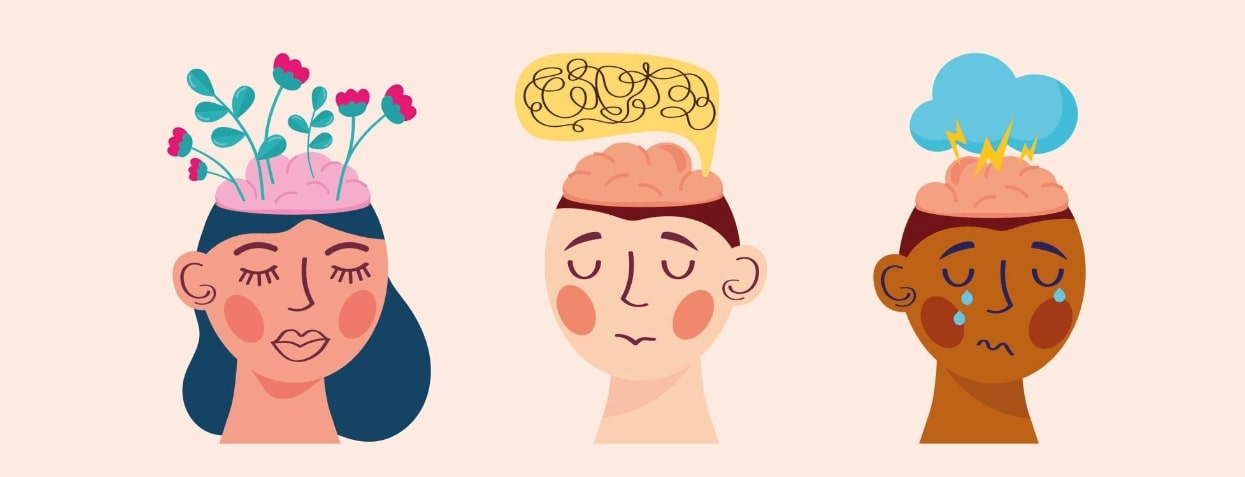
Forgetfulness hits everyone at some point. You walk into a room and forget why. You misplace your keys again. You read something and it slips out of your mind minutes later. It feels annoying. It can feel scary. The good news is that forgetfulness is usually fixable.
You can train your brain to hold onto information better. You can build habits that make memory slip ups less common. And you can use simple daily exercises to keep your mind sharp.
This guide breaks everything down in a friendly way. Short steps. Simple habits. Real science. Nothing overwhelming. If you want a deeper dive into memory training, you can also check out resources like this memory improvement guide or this article on focus and recall.
Why we become forgetful in the first place
Most people jump straight to panic. They think forgetfulness means something is wrong. But in many cases the cause is simple. Your brain is overloaded. Your attention is scattered. Stress levels are high. Your sleep is off. Or your routines are messy. Once you fix these areas your memory improves.
- Stress raises cortisol levels. That makes it harder to store new memories.
- Fatigue slows the brain. Even small tasks feel harder to remember.
- Distraction blocks information before it even forms a memory.
- Lack of repetition makes new info fade quickly.
- No structure makes daily items easy to lose or forget.
You are not forgetting because something is broken. You are forgetting because your brain is not being supported the right way.
Quick everyday habits that reduce forgetfulness
The best fixes are simple. The more automatic you make them the less you forget.
1. Put items in the same spot every single time
This sounds boring. But it works. Your brain loves consistency. Keys in one bowl. Wallet in one drawer. Phone in one place. You train your mind to stop guessing. That removes dozens of small memory slips per week.
2. Use micro reminders
You do not need big systems. A tiny note on your desk helps more than you think. A quick reminder on your phone prevents a forgotten task later. The goal is not to rely on memory for everything. The goal is to reduce stress on your brain, so your natural memory works better.
3. Say things out loud
It might feel odd. But speaking out loud boosts recall. You involve more areas of the brain. Try it. Say the name of the person you just met. Say the time of your appointment. Say where you placed your headphones. It sticks better.
4. Repeat information shortly after hearing it
Memory is a game of timing. If you repeat something within the first minute your brain locks it in. A short mental recap works. A quick note works. That tiny loop doubles your retention.
5. Reduce multitasking
Multitasking is one of the biggest killers of memory. Your brain can switch, but it cannot store info from two streams at once. Focus on one thing at a time. It feels slower. But you forget far less.
Strengthen your attention to strengthen your memory
Attention is the doorway to memory. If your attention is weak your memory will always feel unreliable. Many people assume they have bad memory, but what they really have is weak attention. When you sharpen attention your memory improves without extra effort.
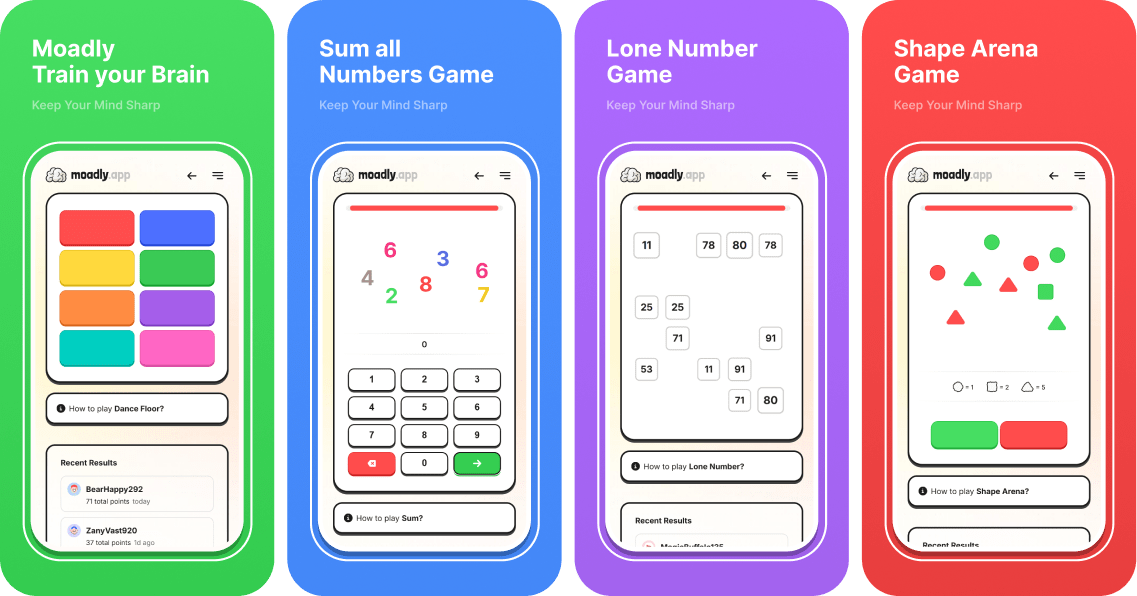
If you want something light and playful, apps like Moadly can help. It uses quick arithmetic and logic mini games that act like short brain workouts. These exercises improve attention strength. They also improve recall. They only take a minute or two which makes them easy to stick with.
Training your brain to remember more
Memory grows with use. Short mental workouts can make a big difference over a few weeks. The goal is not to strain your brain. The goal is to keep it active with simple challenges.
Mind exercises that boost memory
- Simple math drills wake up your focus and sharpen working memory.
- Pattern matching games improve recognition and recall.
- Sequence memory tasks help your brain hold information longer.
- Speed games train quick thinking and reaction control.
You do not need long sessions. Even 3 minutes a day helps. Consistency matters more than intensity. That is why short game based tools work well. They feel fun. They do not drain you. But they still strengthen your recall over time.
If you want a list of brain games that actually work, here is one: 25 brain games that actually boost results.
Use routines to prevent daily forgetfulness
Most forgetfulness is not caused by memory loss. It is caused by chaos. Routines reduce that chaos. They give your brain structure. That structure makes details easier to remember.
1. Build a simple morning flow
You do not need a fancy routine. Just something predictable. Wake up. Drink water. Check your planner. Set your priorities. This helps your brain anchor the day instead of scrambling.
2. Use evening resets
Spend a minute putting things back where they belong. Tomorrow becomes easier. Your brain does not waste energy searching for items. The less stress your mind has the better it remembers.
3. Keep your digital life clean
Organize your apps. Clean your inbox. Delete old notes. A cluttered phone means a cluttered mind. Clean space equals clean thinking.

The role of lifestyle in memory
You cannot outsmart biology. Your brain works better when your body is supported. You do not need extreme changes. Small improvements help.
Sleep
Your brain stores memories while you sleep. Poor sleep equals poor memory. Most adults underestimate how much sleep affects recall. Improve this one area and your memory improves naturally.
Nutrition
You do not need a perfect diet. But your brain needs fuel. Omega 3 helps. B vitamins help. Staying hydrated helps. When your body is nourished your brain is sharper.
Movement
Even light exercise boosts memory. Walks count. Stretching counts. Movement increases blood flow. That improves recall and focus.
When forgetfulness feels scary
Most forgetfulness is normal. But if memory problems appear suddenly or disrupt daily life, it is smart to talk to a doctor. You are not meant to diagnose yourself. A professional can check if something else is happening. That brings peace of mind.
Why fun brain training works better than pressure
Stress kills memory. That is why forcing yourself to remember everything never works. Your brain needs playful stimulation. Not pressure. Short games and puzzles give your mind a workout without stress. That balance helps memory grow.
Moadly is built around this idea. Itu ses light mini games that train focus and recall in a gentle way. You can try it for free. The entire game is playable without paying. You only pay if you want to remove ads. If you want something simple to begin your memory training, it is a great option.
Here are a few internal resources that help too.
A simple action plan you can start today
If you want something easy to follow, here is a small daily plan. It fits into any schedule.
| Task | Time needed | Why it helps |
|---|---|---|
| Put items in one place | 30 seconds | Removes daily memory slip ups |
| Repeat important info once | 20 seconds | Strengthens recall |
| Play a quick brain game | 1 to 2 minutes | Sharpens attention and memory |
| Take a short walk | 5 minutes | Boosts mental clarity |
| Evening reset | 1 minute | Reduces chaos the next day |
The big picture
You are not stuck with poor memory. You can train it. You can support it. You can make your mind sharper with small daily habits. Forgetfulness often comes from stress or distraction. Once you fix the root causes your memory becomes much more reliable.
Stay consistent. Stay patient. Your brain improves faster than you think.
If you want a fun and simple daily boost, try short cognitive exercises or explore more guides like this clarity and focus article. Every small step helps.