Top Educational Games for Kids to Boost Learning at Home
Kids learn best when learning feels fun. This is why educational games have become one of the most effective tools for helping kids grow smarter at home. They turn practice into play. They keep kids curious. They encourage steady improvement without pressure.
Parents love them because they make learning simple. Kids love them because they feel like regular games.
This guide breaks down the best educational games for kids and explains how each one helps with thinking, memory, reading, math, focus, and creativity. It also shows you how to build a helpful learning routine at home. You will also find internal resources such as this breakdown of brain games and this guide on improving focus and memory. These provide useful background for parents who want to understand the value of cognitive training.
The format is simple. Short sentences. Short paragraphs. Friendly tone. Easy to read. This helps you scan quickly and find what works best for your child.
Why Educational Games Work So Well
Kids are naturally motivated by fun. When you mix fun with learning you get a powerful combination. Kids practice longer. They repeat skills more often. They stay engaged. They build confidence without stress.
Here are a few simple reasons these games work so effectively:
- Repetition becomes enjoyable, not boring.
- Instant feedback helps kids improve faster.
- Short tasks prevent frustration and keep attention high.
- Colorful visuals strengthen memory and recognition.
- Rewards encourage consistency.
- No pressure, so kids feel safe to try again.
If your child struggles with motivation at home these small design elements make a huge difference. Many parents also notice that educational games help improve focus in daily tasks. More on that here: best apps to boost focus.

The Benefits of Educational Games at Home
Good educational games offer real cognitive and academic benefits. Here are the most helpful ones for kids of all ages.
Better Attention and Focus
Fast mini tasks train the brain to stay engaged. Kids learn to focus for short bursts. This carries over into homework and reading.
Stronger Memory
Memory based games help with pattern recognition and recall. When kids replay levels their working memory improves naturally.
Faster Problem Solving
Puzzle based games teach kids how to test ideas, think ahead, and adjust strategy. This helps with math, science, and everyday thinking.
More Confidence
Small wins help kids feel capable. Confidence often leads to healthier learning habits. Kids begin to enjoy challenges instead of avoiding them.
Better Reading and Math Skills
Many games reinforce core academic skills. Kids practice them without noticing. This steady repetition helps with school performance.
What Makes a Good Educational Game
Parents often feel overwhelmed by the number of apps available. Here is a simple checklist to help you choose the right ones.
- Clear instructions.
- Short levels.
- Steady difficulty progression.
- Minimal distractions.
- Encouraging tone.
- Meaningful feedback.
Games that follow these principles tend to deliver real learning value instead of empty screen time.
Main Types of Educational Games
These categories help you understand what kind of skill each game builds.
Math and Number Games
Great for mental math, number sense, and logical thinking. These games help kids who find math stressful. When math feels like a game the anxiety disappears.
Reading and Language Games
Useful for vocabulary, spelling, comprehension, and sentence structure. Reading becomes enjoyable when it is active and playful.
Memory and Logic Games
Helpful for building working memory, attention, and problem solving. These games support all other areas of learning, not just one.
Critical Thinking and Puzzle Games
These build flexible thinking skills. Kids learn how to plan, adjust strategy, and understand cause and effect.
Creative Games
Games that encourage drawing, building writing, or designing help with imagination and open thinking. They balance cognitive training with creativity.
The Best Educational Games for Kids Right Now
Here is a simple comparison table. It includes a mix of learning apps and game based platforms. Different ages. Different skill types.
| Game or App | Main Skill | Age Range | What Makes It Great |
|---|---|---|---|
| Moadly | Memory, focus, logic, mental math | 7+ | Fast mini games that boost thinking skills in short bursts |
| Prodigy Math | Math skills | 6 to 12 | Adventure style missions and math practice combined |
| ABCmouse | Reading and early learning | 3 to 8 | Fun lessons with simple progression and colorful visuals |
| Osmo | Creative thinking | 5 to 12 | Hands on learning mixed with digital interaction |
| BrainPOP | General knowledge | 7+ | Short videos with quizzes that teach core concepts |
Why Moadly Is an Excellent Fit for Kids at Home
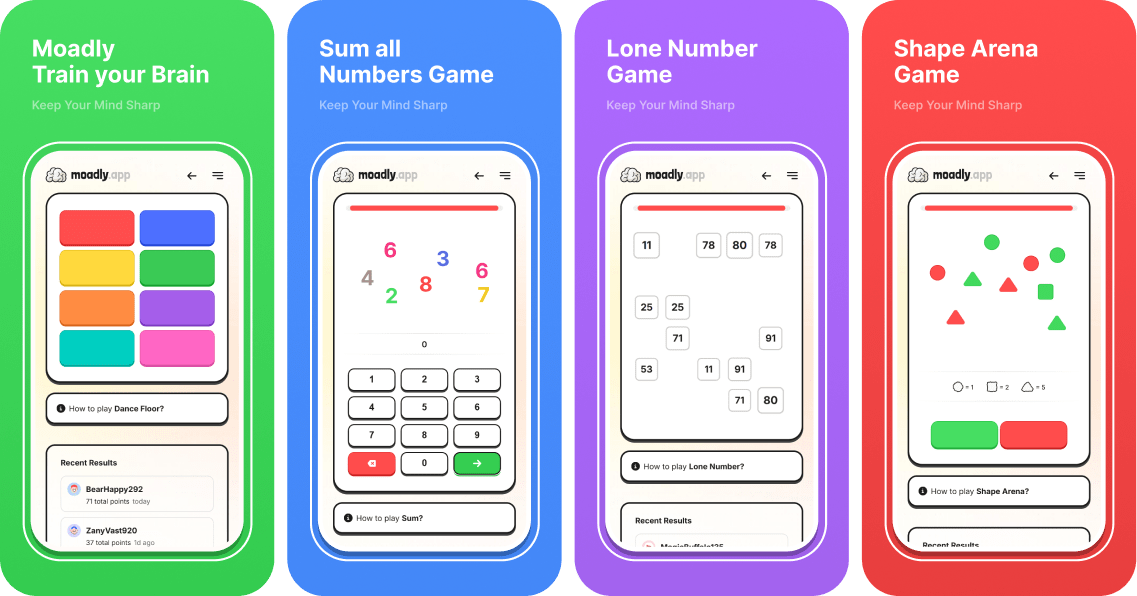
Moadly is a completely free brain training app that uses quick mini games to strengthen memory, focus, logic, and mental math. Kids enjoy fast challenges. Moadly offers exactly that. Each game is short. Each level grows slowly. Kids feel motivated because everything feels doable.
This makes the app a great option for improving attention and thinking skills. It is especially helpful for kids who lose focus easily. Moadly also helps build confidence because kids see progress very quickly.
You can try it here:
https://play.google.com/store/apps/details?id=app.moadly.twa
For parents who want more depth on how memory training works you can read internal guides like:
These articles help explain how quick cognitive exercises can support both kids and adults.
How Parents Can Use Educational Games at Home
You do not need a complicated plan. A few simple habits can make a big difference.
Keep Sessions Short
Ten to fifteen minutes is enough for real learning. Short sessions prevent burnout and help kids stay motivated.
Make It a Daily Routine
Kids improve faster when learning is consistent. Af ew minutes each day beats long sessions once a week.
Celebrate Progress
Kids stay motivated when progress feels meaningful. Celebrate highscores and levels completed.
Let Kids Choose
Choice builds ownership. When kids pick their game they feel more excited to play and learn.
Mix Academic and Creative Games
This keeps learning balanced and prevents boredom.
How to Know if a Game Is Actually Helping
Parents want results, not wasted screen time. Here are simple signs that a game is helping your child learn:
- Your child solves puzzles faster.
- They remember more without reminders.
- They stay focused longer during homework.
- They show confidence when they try new tasks.
- They talk about what they learned without pressure.
What Science Says About Educational Games
Research shows that kids learn faster when learning feels rewarding. Games trigger the brain’s reward centers. This increases motivation and encourages repetition. Short tasks also match the natural attention span of children. This makes learning more efficient.
You can read more about how cognitive training works in resources like this explanation of memory apps.
Long Term Benefits of Educational Games
When used consistently educational games help kids build mental habits that last for years. These include:
- Improved working memory.
- Better focus control.
- Stronger problem solving ability.
- More confidence in school.
- Better reading and math skills.
Building the Ideal Home Learning Setup
You can create a simple system that works well for almost any child.
Start With a Warm Up Game
A quick memory or math game helps activate the brain.
Move to a Skill Focus Game
If your child needs help with reading or math pick a game that targets that skill.
End With a Creative Activity
This helps kids relax while still learning.
Final Thoughts
Educational games are one of the easiest ways to help kids learn at home. They make learning enjoyable. They improve memory, focus, math skills, reading skills, and confidence. They help kids practice without feeling pressured.
Moadly is an excellent example of a simple and effective brain training tool. It is fast, friendly, and free. It fits perfectly into short learning routines that help kids stay mentally active and curious.