Why harder games are not always better for your brain
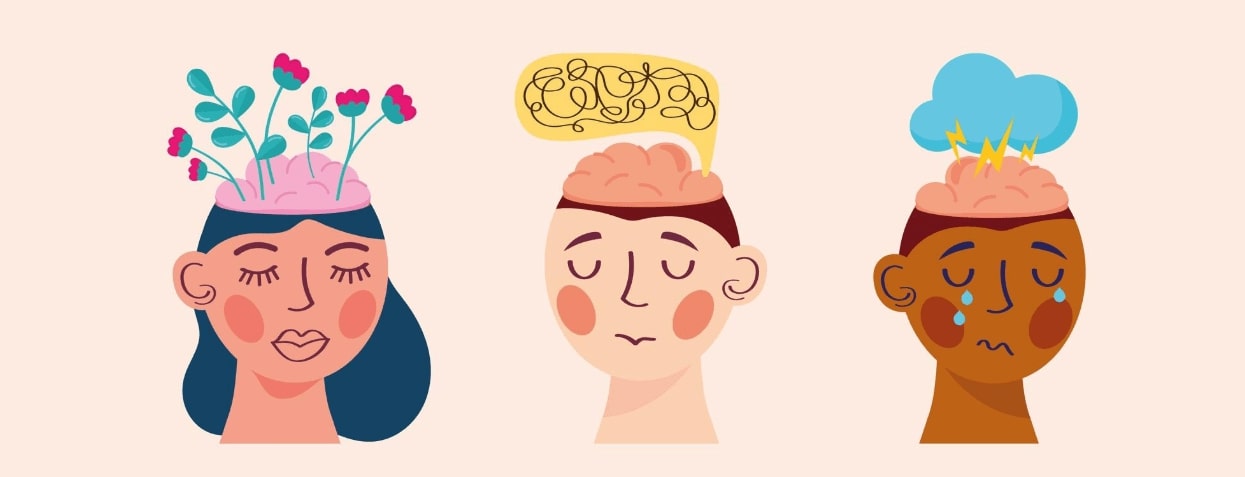
We’ve all seen it: “Train your brain with the hardest game ever!” Ads scream it. App stores feature it. Everyone assumes that if a game is difficult, it must be effective. Spoiler alert: harder does not automatically mean better. In fact, choosing the wrong kind of difficulty can actually slow cognitive improvement and kill motivation.
This article will unpack why harder games aren’t always smarter games, how to actually improve your brain long-term, and how platforms like moadly.app approach difficulty the right way. No hype. No snake oil. Just a practical guide that a 28-year-old like me would actually read while sipping coffee.
The misconception: difficulty equals brain growth
Here’s the common assumption. People think:
- The harder the puzzle, the more my brain works
- If it makes me frustrated, I must be learning
- Advanced levels automatically improve IQ or memory
These assumptions are appealing, but they oversimplify how the brain actually works. Cognitive science tells us that growth happens in a zone of challenge, not punishment. There’s a difference between effortful engagement and mental exhaustion.
When a game is too hard:
- It can create anxiety or frustration instead of learning
- Players may quit before experiencing benefits
- Attention and focus break down, reducing memory consolidation
In other words, more difficulty doesn’t automatically translate to more intelligence or memory improvement.
.png)
Flow vs. frustration
Real cognitive improvement comes from a state called flow. Flow is when a task is challenging enough to engage your brain, but not so hard that you shut down emotionally or mentally.
Here’s the mental equation in simple terms:
| Difficulty | Mental effect |
|---|---|
| Too easy | Mind wanders, minimal engagement, no growth |
| Optimal | Focus increases, memory encoding improves, problem-solving strengthens |
| Too hard | Frustration, stress hormones rise, memory and learning impaired |
This table is exactly why “hardest game ever” apps often fail users after the first week. They push too far into the frustration zone instead of staying in the growth zone.
Hard doesn’t mean comprehensive
Some apps make games “hard” by adding timers, distractions, or layers of complexity. But these are not the same as cognitive challenges that improve memory, attention, or reasoning. Consider the difference:
- Timer-based difficulty: encourages speed, often at the expense of accuracy
- Random puzzle sequences: can feel impossible without teaching strategy
- Overloaded interfaces: visual clutter increases cognitive load, not cognitive growth
In short, the brain isn’t getting smarter. It’s getting fatigued. And fatigue is a major reason most apps fail long term.
The role of adaptive difficulty
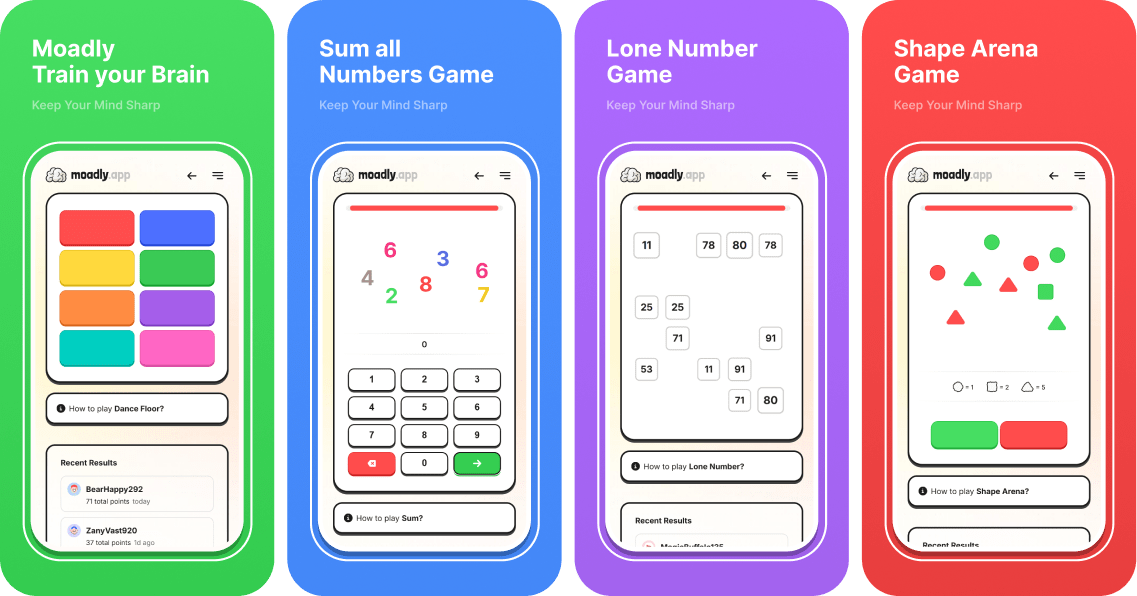
Here’s the secret most apps ignore: difficulty needs to be adaptive. Not harder for the sake of harder, but tailored to your performance. This is where moadly.app shines.
Adaptive difficulty means:
- The app tracks your performance across memory, attention, and logic
- Tasks scale with your ability, not your frustration threshold
- Miss a day? The system compensates instead of punishing you with impossible levels
Adaptive systems keep you in the flow zone longer, making brain exercises effective and sustainable.
Consistency matters more than raw difficulty
Here’s a pattern from our case study: https://moadly.app/survey/. Users who play moderately challenging games daily outperform those who tackle very hard games irregularly. Your brain needs repeated, manageable challenges, not rare episodes of mental torture.
This is why micro-sessions, like daily brain games to wake up your mind, outperform marathon puzzle sessions. Five minutes daily builds momentum, while one hour of frustration once a week just trains annoyance.
Hard games can demotivate
Motivation is a hidden factor in cognitive improvement. The harder a game is, the more likely users feel incompetent and quit. Motivation isn’t just “wanting to play.” It’s the engine that ensures attention, working memory, and problem-solving stay engaged. No motivation, no growth.
Apps that increase difficulty blindly - without rewarding progress - see abandonment rates skyrocket. Meanwhile, platforms like moadly use progress feedback loops, small wins, and adaptive challenges to keep motivation high while still promoting growth.
Multifaceted cognitive training beats sheer difficulty
True intelligence growth comes from a combination of cognitive exercises, not brute difficulty:
- Attention tasks: sustain focus, ignore distractions
- Working memory exercises: hold and manipulate information
- Reasoning challenges: solve novel problems
- Consistent practice: daily micro-sessions
- Low-interruption environment: no interstitial ads, minimal distractions
This is why simple, well-designed games can outperform impossibly hard games that feel “mentally exhausting” but add no transferable skills.
The brain reacts to stress
Hard games can trigger cortisol spikes if frustration is high. Stress interferes with memory encoding and attention, exactly the opposite of what you want from cognitive training. Subtle, steady challenge is much more effective for long-term brain health.
If you want to feel the difference, compare an impossible puzzle marathon with a focused 10-minute adaptive session on fast-paced brain training games. One leaves your brain frazzled. The other leaves it sharper and calmer.
Age matters
Different brains handle difficulty differently:
- Children: need novelty and playful challenge, not extreme difficulty
- Adults: benefit from progressive logic, attention, and memory integration
- Seniors: thrive on clear, low-friction, cognitively engaging tasks
One-size-fits-all difficulty is doomed. Apps that ignore this will fail almost everyone outside a narrow age/performance window.
Hard games often ignore real-life transfer
Even if a game is brutal and you “master” it, what does it improve outside the app? Often nothing. Most puzzle-heavy apps improve only game-specific skills. You get better at the app, not at remembering names, focusing on work, or reasoning through problems.
This is why articles like how to get a fast cognitive boost every day matter - they focus on transferable strategies, not just high scores.

Hardness without feedback is useless
Difficulty is only valuable if paired with feedback. Without it, you might push through a challenge and never understand your mistakes or how to improve. This is why gamified learning that includes progress tracking and correction - like moadly’s system - is much more effective than just hard levels.
Adaptive difficulty in practice
Moadly uses multiple feedback channels:
- Attention accuracy
- Memory recall speed
- Problem-solving efficiency
- Consistency patterns over days
The app then adjusts difficulty in real-time, ensuring users stay in the growth zone. This creates measurable improvement, unlike traditional “harder is better” apps.
Summary
Harder games are not always better for your brain. In fact, they can backfire if they:
- Create frustration and stress
- Break attention and working memory
- Demotivate users
- Fail to transfer skills outside the app
True cognitive improvement comes from:
- Adaptive difficulty tailored to performance
- Consistent, manageable challenge over time
- Integrated attention, memory, and reasoning exercises
- Uninterrupted sessions free of interstitial ads
- Feedback-driven learning loops
Platforms like moadly.app embody this approach, helping users build real, lasting cognitive gains without unnecessary frustration. The lesson is simple: smarter is not always harder, and the best brain training comes from intelligent design, not brute force difficulty.