.png)
After 65, it is normal to notice small changes. Names take longer to recall, you walk into a room and briefly forget why, or you lose track of what you were about to say. That does not automatically mean dementia. In many cases, your brain is simply dealing with more information, more distractions, and natural age related changes.
The goal of memory improvement after 65 is not to have a perfect memory. The goal is to stay independent, confident, and mentally active, with routines that support your brain instead of overloading it.
1. Daily brain training in short sessions
Your brain responds well to small, frequent challenges. Short sessions are usually better than rare, long ones, especially if you are already juggling health, family, and daily tasks.
- Matching and visual memory games
- Simple pattern and logic puzzles
- Speed tasks that ask you to react quickly
- Word recall and list remembering exercises
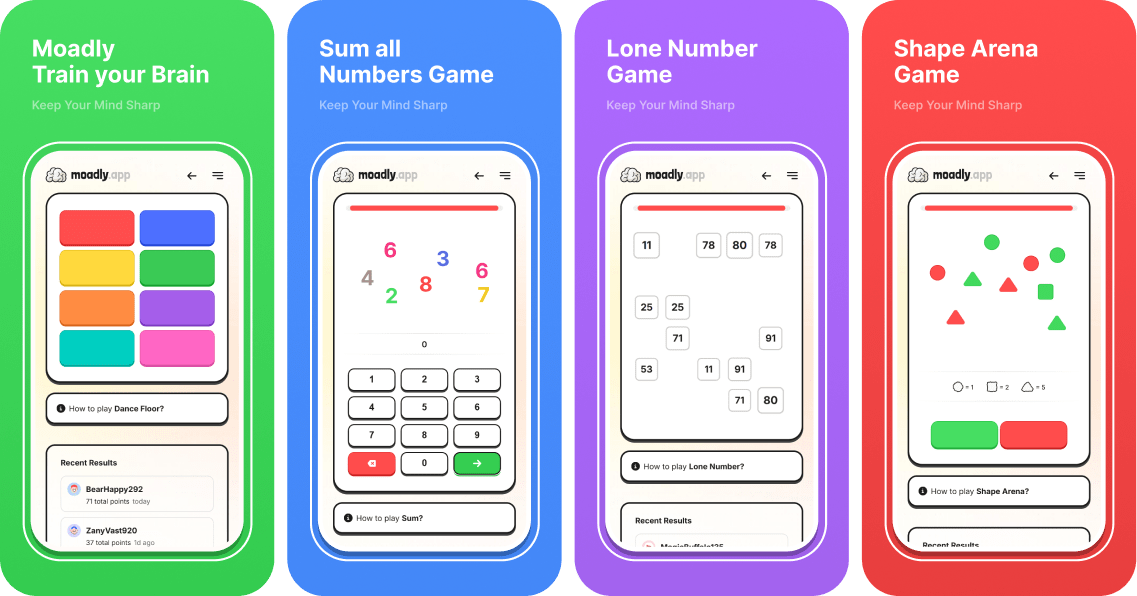
Structured apps can make this easier by giving you exercises and tracking your progress. If you like using your phone or tablet, tools like Moadly focus on short, adaptive sessions designed for adults and seniors. You can explore ideas in guides such as free math game app for seniors and free app for improving memory in adults and seniors.
2. Move your body to support your brain
Physical activity increases blood flow and oxygen to the brain. That helps with attention, mood, and memory. You do not need intense workouts. Gentle, regular movement is enough to make a difference.
- 20 to 30 minute walks most days
- Light strength training with bands or small weights
- Chair exercises if mobility is limited
- Stretching, yoga, or tai chi for balance and coordination
If you have health conditions, talk with your doctor before changing your exercise routine. Then pick activities you actually enjoy so you can stick with them.
3. Protect sleep, protect memory
Sleep is when your brain organizes and stores the day's information. Poor sleep makes everything feel foggy, from focus to recall. Many seniors struggle with sleep, but small changes can help.
- Go to bed and wake up at roughly the same time every day
- Keep screens and bright lights out of the bedroom
- Avoid heavy meals and caffeine late in the day
- Make the room cool, dark, and quiet
If you wake often, snore loudly, or feel exhausted during the day, it is worth mentioning it to your doctor. Treating sleep issues can sometimes improve memory and daytime clarity more than any puzzle or app.
4. Eat in a way that supports your brain
Food is fuel for your brain. A balanced diet helps stabilize energy, mood, and concentration. You do not need a perfect diet, just a pattern that mostly leans toward whole, minimally processed foods.
| Helpful foods | How they support memory |
|---|---|
| Fatty fish (salmon, sardines) | Provide omega 3 fats that support brain cells |
| Berries | Rich in antioxidants that protect brain tissue |
| Leafy greens | Contain vitamins linked to cognitive health |
| Nuts and seeds | Offer healthy fats and support long term brain health |
| Whole grains | Provide steady energy for sustained focus |
Staying hydrated matters too. Even mild dehydration can make you feel tired, foggy, and forgetful.
5. Reduce stress and mental overload
Chronic stress makes it harder for the brain to store new memories. After 65, you might be dealing with health changes, family responsibilities, or financial worries. You cannot remove all stress, but you can give your brain more calm moments.
- Take slow, deep breaths for a few minutes when you feel tense
- Go for short walks outside, even 5 to 10 minutes
- Listen to calming music or nature sounds
- Do one thing at a time instead of multitasking
Think of these as brain breaks. They are not a waste of time. They allow your mind to reset, which can actually improve productivity and memory.
6. Stay socially and mentally engaged
Talking, listening, and laughing with others activates many brain areas at once. Social contact is one of the simplest ways to keep your mind active without feeling like you are doing homework.
- Regular phone or video calls with family and friends
- Joining clubs, classes, or community groups
- Volunteering or helping with local events
- Game nights with cards, board games, or trivia
Learning something new also keeps the brain flexible. New skills, even small ones, encourage your brain to form fresh connections.
- Try a new recipe or style of cooking
- Learn basic phrases in another language
- Practice a musical instrument, even at beginner level
- Take a short online course on a topic you enjoy

7. Use memory strategies and simple tools
There is no shame in using tools. In fact, using them wisely frees your brain to focus on the things that matter. Combine mental strategies with external supports for the best results.
- Chunking. Break long information into smaller pieces.
- Association. Link new information to something you already know.
- Repetition. Say names or details out loud several times.
- Visualization. Turn information into a simple mental picture.
External tools can include:
- A paper planner or digital calendar for appointments and tasks
- Reminder apps and alarms on your phone
- Labels on drawers, shelves, and containers
- A single notebook where you write important details
If you prefer digital support, you can look at options like app to prevent brain aging, free app for improving your mind and mental clarity, and free online memory game app for focus and recall.
8. Know when to talk to a professional
Some forgetfulness is normal with age. But there are times when it is smart to talk to a doctor or specialist. Early checks can rule out treatable issues like vitamin deficiencies, medication side effects, depression, or sleep disorders.
It is worth seeking medica ladvice if:
- You get lost in familiar places
- You repeat the same questions over and over
- Daily tasks (managing money, cooking, taking medications) become confusing
- Family or friends are worried about changes in your memory or behavior
Getting help early does not mean something is seriously wrong. It simply gives you more options and more time to adjust, plan, and support your brain.
9. Focus on consistency, not perfection
The most important principle of memory improvement after 65 is consistency. Small, repeatable habits beat intense efforts you only do once. You are building a lifestyle that makes it easier for your brain to do its job