.png)
After fifty, it is normal to notice small changes in recall. Your brain is still highly adaptable. Small daily habits can strengthen memory, improve focus, and support long term cognitive health. The goal is not perfection. The goal is steady routines that keep your mind active.
1. Train your brain consistently
Short mental workouts help maintain quick thinking and strong recall. You do not need complex programs. You simply need activities that challenge you a little each day.
- Memory recall drills
- Matching and pattern games
- Speed and reaction exercises
- Logic puzzles
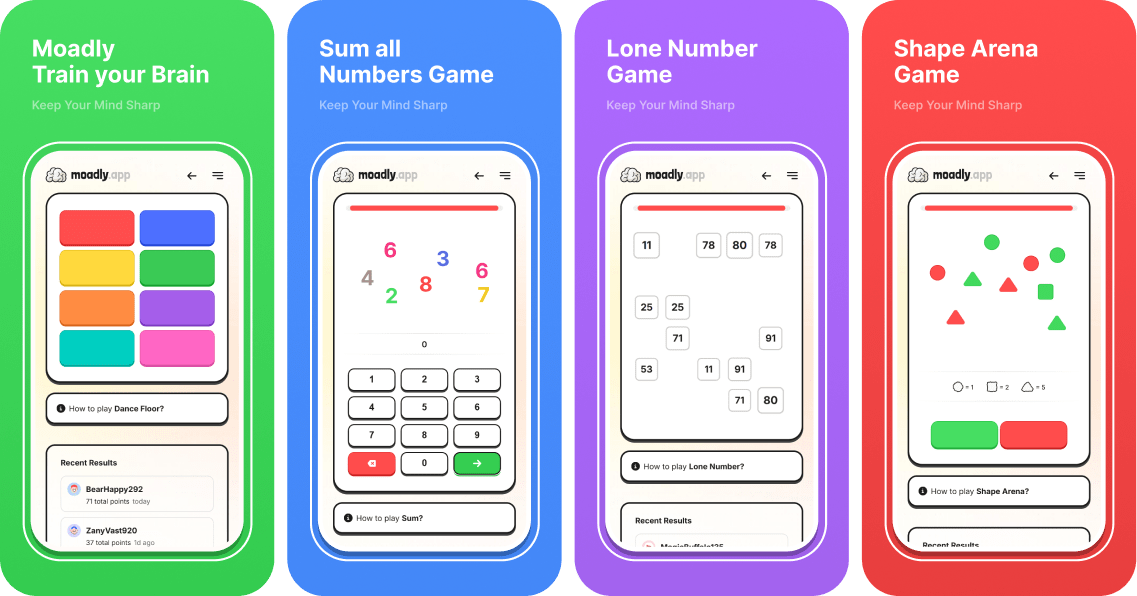
If you prefer structured routines, apps like Moadly offer quick adaptive exercises that fit into your daily schedule. You can explore more ideas in free brain training games for adults.
2. Use movement to support brain health
Light physical activity improves circulation and increases oxygen flow to the brain. This helps your memory work more efficiently. The type of exercise matters less than staying consistent.
- 20 minute brisk walks
- Light strength training
- Stretching or yoga
- Swimming or cycling
3. Protect your sleep routine
Memory consolidation happens while you sleep. Good sleep improves learning and recall the next day. Small adjustments to your routine can create noticeable improvements.
- Keep a stable bedtime
- Avoid bright screens an hour before bed
- Use a cool and dark environment
- Reduce caffeine later in the day
4. Reduce distractions to strengthen focus
Attention is the first step of memory. If you reduce distractions, you store information more effectively. This is especially helpful when learning new details or completing tasks.
- Work in short focused blocks
- Put your phone in another room
- Use simple timers for structure
- Repeat important information out loud
5. Eat for long term brain support
Certain foods provide nutrients that support recall and protect the brain. A balanced diet also helps stabilize energy, which improves focus throughout the day.
| Helpful foods | Why they help |
|---|---|
| Fatty fish | Supports memory with omega 3 fats |
| Berries | Provides antioxidants that protect brain cells |
| Nuts | Supports long term cognitive health |
| Leafy greens | Boosts vitamins linked to brain function |
6. Manage stress to protect memory
Too much stress makes it harder for the brain to store new information. Gentle routines lower stress and support better focus.
- Deep breathing exercises
- Short outdoor walks
- Light stretching
- Listening to calming music
.png)
7. Stay socially connected
Social interactions stimulate multiple cognitive systems. Talking, listening, and engaging in group activities naturally exercise memory and language skills without feeling like a workout.
8. Learn new skills as gentle challenge
New learning encourages neuroplasticity. It keeps the brain flexible. Even small skills count, and the process can be fun.
- Learn a new recipe
- Start a simple musical instrument
- Take an online class
- Explore a new hobby or craft
9. Use memory strategies and tools
Memory techniques make recall easier. External tools reduce mental load and help you stay organized.
- Chunking information
- Story linking
- Writing things down
- Digital remin ders and calendars
For more structured tools, you can browse options such as app to prevent brain aging or free memory improvement app for iphone.
10. Build consistency instead of intensity
The real progress comes from steady routines. Small habits practiced daily produce clearer thinking and stronger recall over time.
- Start with two new habits
- Keep sessions short but regular
- Review progress monthly
- Add new challenges slowly