10 Science-Backed Tips To Improve Mental Acuity, Focus, and Memory
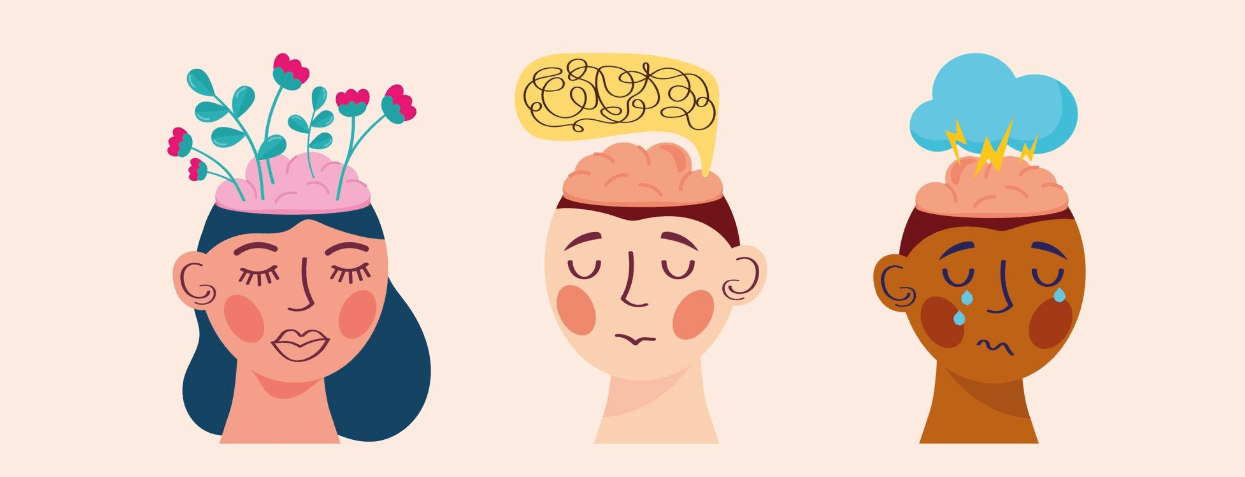
Staying mentally sharp is not just about having a great memory. Mental acuity is your brain's power to think clearly, focus, and learn, no matter how old you are. Whether you want to crush it at work, do better in school, or stay healthy as you age, you can use simple steps to boost your brain. These methods are backed by science plus they are easy to start today.
Let us walk through 10 proven ways to sharpen your mind plus keep it performing at its absolute best.
1. Prioritize Quality Sleep
Sleep is when your brain files away memories and clears out junk. If you do not sleep well, your focus drops plus your reaction time slows down. In contrast, a good night of rest keeps your thinking sharp. I once tried to finish a project on three hours of sleep and it took me twice as long!
- Keep a steady sleep schedule, even on Saturdays.
- Aim for 7 to 9 hours of deep rest every night.
- Put away your phone 30 minutes before bed to avoid harsh blue light.
If you feel foggy from a lack of rest, read our tips on how to clear brain fog and improve mental clarity.

2. Never Stop Learning
Your brain loves a good challenge. Learning new skills creates fresh paths in your mind. You might try a new language, learn a guitar riff, or even test out a tricky recipe. This habit keeps your mind agile plus strong.
Digital games can help too. Apps like Moadly make this fun with games that target focus and memory. You might also like reading: 25 brain training games that actually work.
3. Fuel Your Brain Right
The food you eat changes how you think. Nutrients like omega-3s and vitamins protect your brain cells plus help them talk to each other. So, choosing the right snacks is a smart move.
| Smart Brain Foods | How They Help You |
|---|---|
| Blueberries | Stop stress in your brain cells |
| Fatty Fish | Gives you omega-3s for fast thinking |
| Leafy Greens | Keeps your memory from slowing down |
| Nuts plus Seeds | Protects your brain with Vitamin E |
| Dark Chocolate | Wakes you up plus lifts your mood |
4. Move Your Body
Physical activity is a huge win for your brain. Exercise pumps more blood plus oxygen to your head. It even helps you grow new brain cells through a special protein called BDNF (Brain-Derived Neurotrophic Factor).
- A 30-minute walk can instantly help you focus.
- Try games that use your body plus your mind, like tennis or dance.
- Regular movement helps slow down cognitive decline as you get older.
5. Give Your Mind a Workout
Your brain needs "gym time" just like your muscles. Mental games strengthen your memory plus attention. This works wonders for both students plus seniors.
Apps like Moadly have quick games like Lone Number or Add Sprint. They are built to test your speed plus focus in a fun way. Check out this free app for improving memory in adults and seniors.

6. Keep Stress Levels Low
Constant stress pumps out cortisol. This hormone can hurt your memory plus shrink parts of your brain over time. It is important to find ways to chill out.
Try these simple fixes:
- Take a few deep breaths or try a short meditation.
- Step outside for a quick walk to reset.
- Play a calm game to shift your focus.
Even a quick reaction game can help you feel more centered plus ready to work.
7. Stay Connected with Friends
Talking to others is a great workout for your mind. A good chat uses your memory and your emotions all at once. Staying social keeps your brain sharp, while being alone too much can slow you down.
Give a friend a call or join a local group. If you are helping your folks, here is how to improve mental agility without medication.
8. Try Something New Every Day
Your brain loves surprises. Small changes help rewire your mind plus spark new ideas. Then, you become more creative plus flexible.
- Try brushing your teeth with your other hand.
- Take a different street on your way home.
- Play pattern games to test your logic.
9. Take Care of Your Whole Body
Your body and brain are a team. Things like high blood pressure can slow down your thinking. So, drink plenty of water and see your doctor for regular checkups. These simple habits help you keep your mental acuity even in retirement.
10. Play Brain Games Regularly
Games are more than just a way to pass the time. They are a fun way to keep your brain healthy. They test how fast you can solve problems plus how much you can remember.
Try these favorites on Moadly:
- Second Biggest Number – helps with logic.
- Dance Floor – boosts your memory for patterns.
- Quick Reaction – sharpens your reflexes.
Regular play can even slow down memory loss. Learn more in our post on brain games that prevent dementia.
Bonus Tip: Let Your Mind Rest
You do not have to be busy every second. Your brain needs downtime to process what you have learned. So, take a short break or a quiet walk. This space gives your mind the room it needs to stay sharp.

Questions You Might Have
When will I see results from training?
Most people notice a change in just a few weeks. If you use Moadly for 10 minutes a day, you will start to feel sharper plus more focused.
Can seniors really improve their minds?
Yes! Your brain can always grow and change. Doing brain exercises for people over 60 is a great way to stay fast plus improve your memory.
Do these games actually work?
They do. Games that challenge your logic plus attention really can boost your performance. Our article on games that actually work explains why.
Final Thoughts
Sharpening your mind is all about small, daily habits. Sleep well, eat good food, and stay curious. Make brain training a fun part of your routine. It is never too early or too latet o start. You can be a student or a retiree, your brain will thank you for the extra care.
Why not try a quick game right now on Moadly? Just a few minutes of play can make your mind feel faster plus more alive. Give it a shot plus see for yourself!