Brain game app that’s fun and realistic about cognitive benefits
.png)
If you want something playable, honest, and actually useful, choose an app that focuses on attention, working memory, processing speed, and transfer to real life. This article explains what to look for, compares popular alternatives, gives a clear weekly plan, and shows how to get useful gains without burning out.
Why realism matters
Too many apps promise huge IQ jumps or miracle memory cures. That marketing feels great, but it sets you up for disappointment. A realistic app tells you what it can change, and how much effort is reasonable.
That makes you more likely to keep using it. Real gains look like better focus, faster recall, less brain fog, and improved reaction time. Those are meaningful in work, study, and daily life.
What a realistic, fun brain app does well
- Targets measurable skills. Attention, working memory, processing speed, and cognitive flexibility.
- Provides short, frequent sessions. Ten minutes a day is more sustainable than a single long session.
- Adapts difficulty. Keeps you challenged but not crushed.
- Shows meaningful metrics. Not just points, but trends and comparison to your baseline.
- Encourages transfer. Gives tasks and tips that map to daily memory and attention tasks.
- Is fun. Game elements, variety, and quick feedback keep you coming back.
Why fun and honesty are the best combo
Fun keeps you consistent. Honesty keeps expectations aligned with reality. Put them together and you get a practice habit that lasts. Playful sessions reduce friction. Clear messaging prevents burnout. A few minutes of something you enjoy, every day, produces more change than a week of intense, joyless work.
Short checklist before you try an app
- Does it adapt to your level?
- Does it give short sessions you can finish in a break?
- Are the goals explained simply and truthfully?
- Does it track progress over weeks, not just daily points?
- Does it offer a variety of tasks?
Comparing realistic brain apps. Quick table.
| App | Core focus | Session length | Realistic claims | Fun factor |
|---|---|---|---|---|
| Moadly | Attention, working memory, speed, variety | 5 to 20 minutes | Improves attention, recall speed, real world focus | High, short games, varied mechanics |
| Lumosity | Memory, attention, problem solving | 10 to 20 minutes | Improves trained tasks, mixed transfer evidence | Medium, casual games feel like tests |
| Elevate | Verbal skills, processing speed | 5 to 15 minutes | Improves trained verbal and math tasks | Medium, focused on exercises |
| Puzzle apps (crosswords, sudoku) | Specific skills, reasoning | Varies | Great for domain practice, limited transfer | High for puzzle lovers |
Why Moadly is a strong example of balanced design
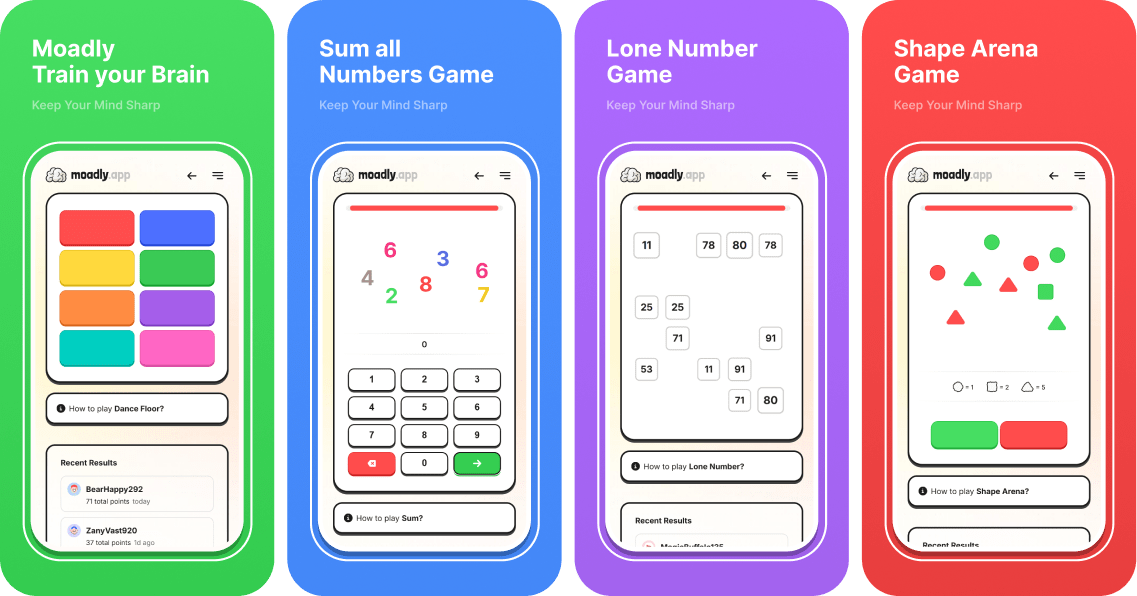
Moadly focuses on fast, targeted drills that train attention, working memory, and processing speed. The app includes daily routines, varied challenges, and the type of tasks that transfer to everyday memory and focus. For quick routines, see How to get a fast cognitive boost every day, and for a curated selection of short exercises, see Daily brain games to wake up your mind.
How to choose between the alternatives
Pick based on how you like to spend five to twenty minutes of free time.
- If you like variety and short bursts, pick an app with many microgames and quick difficulty scaling.
- If you prefer learning through verbal and reading drills, choose something with language tasks.
- If you love traditional puzzles, do crosswords and sudoku for domain practice, but add targeted drills for transfer.
- If you want gentle, senior friendly routines, look for clear instructions and simpler targets. See Free brain games for seniors that actually help memory.
What 'transfer' actually means and why it matters
Transfer is the idea that getting better at a game makes you better at other, real tasks. Not every game transfers. Improving at one puzzle does not automatically improve your ability to focus at work. The apps with the best chance of transfer target core processes like selective attention and working memory, then provide tasks that force you to use those processes in multiple contexts. If you are reading about evidence and outcomes, check What do doctors think about brain training apps and How brain games stimulate neuroplasticity and focus.
Practical weekly plan. Follow this for 8 weeks.
| Day | Session | Goal | Duration |
|---|---|---|---|
| Monday | Speed and attention drills | Boost reaction time | 10 minutes |
| Tuesday | Working memory span tasks | Hold more items in mind | 10 minutes |
| Wednesday | Logic and problem solving | Flexible reasoning | 15 minutes |
| Thursday | Verbal recall and stories | Improve recall and narrative memory | 10 minutes |
| Friday | Mixed challenge day | Combine skills | 15 minutes |
| Saturday | Reflection and practice test | Measure progress, reflect on habits | 20 minutes |
| Sunday | Light play or rest | Keep it fun | 10 minutes |
Daily micro habits that make a difference
- Do a 5 to 10 minute session right after your morning coffee or tea.
- Use a short midday session to break up work and reset focus.
- Do a 5 minute recall test in the evening. Write three things you remembered that day.
- Record a single metric weekly. Did you remember a name? Did you focus for longer during a meeting?
Comparison: what each app type is best for
| Type | Best for | Limitations |
|---|---|---|
| Targeted brain trainers like Moadly | Transferable attention and memory gains | May feel repetitive if not varied |
| General puzzle apps | Domain specific reasoning and enjoyment | Limited transfer to unrelated cognitive tasks |
| Language focused apps | Verbal fluency and reading speed | Less on processing speed or visual attention |
| Test prep style apps | Exam skills and strategy | Very narrow transfer |
Real user expectations. What you should notice
- Better recall of short lists and names after a few weeks.
- Smoother concentration during tasks that used to feel taxing.
- Faster reaction time in everyday tasks, like mentally calculating or responding to conversation.
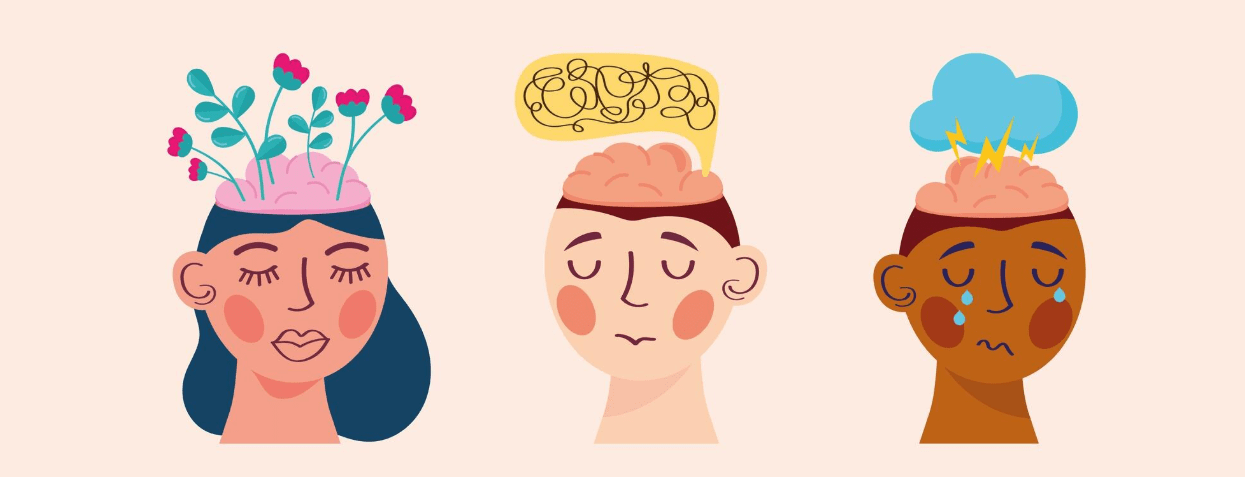
- Less severe moments of brain fog after sleep or stress, especially if paired with lifestyle changes. See How to clear brain fog in 5 minutes for quick fixes.
Spotting bad claims
Watch for language that promises dramatic intelligence leaps, disease cures, or unrealistic timelines. Good apps will explain the evidence, link to measured outcomes, and provide realistic timeframes. For a grounded perspective, read What do doctors think about brain training apps.
Making it social and motivating
Social features increase retention for many people. Try:
- Small friendly competitions with friends.
- Group streaks where progress is shared and celebrated.
- Shared goals. For example, commit to 10 minutes a day for a month and share results.
How to measure whether improvements are real
- Track app metrics over 4 to 8 weeks. Look for consistent upward trends.
- Test real life tasks. Did you remember details from a meeting or an article more easily?
- Check transfer tasks that are not in the app. For example, can you hold a shopping list without writing it down?
Apps that help with transfer typically mix attention and memory training while providing explanations and real world exercises. For ideas on transfer exercises, see How brain games stimulate neuroplasticity and focus and The importance of attention training in brain fog recovery.
Case study style comparison. A week with three different approaches
| Approach | Typical week | What you notice after 4 weeks |
|---|---|---|
| Moadly style mixed microgames | 7 short sessions, variety across attention, memory, speed | Improved focus during work blocks, faster recall of short lists, less midday fog |
| Puzzle only | Crosswords and sudoku, 3 long sessions per week | Better puzzle skill, minor improvements in reasoning, limited day to day transfer |
| Language app focus | Daily reading and verbal drills | Improved verbal recall and fluency, less change in processing speed |
Actionable 30 day plan. Start today
- Week 1. Build the habit. Do 5 minute sessions every day. Focus on attention and short memory tasks. Use short reminders to anchor the habit, like after brushing your teeth.
- Week 2. Add a second short session duri ng the day. Start tracking one real life metric, like whether you remember two new names each week.
- Week 3. Increase one session to 12 minutes with mixed tasks. Start trying transfer exercises, such as recalling a short paragraph you read.
- Week 4. Do a test. Pick a real life task and measure improvement, for example remembering grocery items without a list.
Common FAQs. Quick answers
- Will a brain game app make me smarter overnight?
- No. Expect small, measurable improvements over weeks and months. The most reliable gains are in attention, memory span, and processing speed.
- How many minutes per day are enough?
- Consistency matters more than length. Aim for 5 to 20 minutes daily. Short bursts are often best for long term adherence.
- Do free games help?
- Yes. Many free games offer meaningful practice. Structured plans and progress tracking add value, so combine free games with intentional practice.
- How do I avoid burnout?
- Keep sessions short. Rotate game types. Celebrate small wins. If you feel burned out, take a day off or switch to light play.

Practical resources and further reading
- How to get a fast cognitive boost every day
- Best free brain games to play right now
- What do doctors think about brain training apps
- How brain games stimulate neuroplasticity and focus
- The importance of attention training in brain fog recovery
Make it fun. A few ideas
- Create a tiny reward for completing the session, like a favorite coffee sip.
- Pair it with a pleasant routine, like a 5 minute walk then a quick session.
- Do a theme week where you try a new category each day.
- Invite a friend to try the same 10 minute plan and compare notes weekly.
Final guidepost
Keep it playful and honest. Pick a program that fits your life and explains what it can do. Train attention and memory with short, varied sessions. Track both app metrics and simple real life tasks. If you do that, you will get the kind of results that matter when you are awake, working, and socializing. For a friendly starting point and short guided routines, explore Moadly's daily boost and the curated lists in Best websites and apps to help keep your brain sharp and focused.