The hidden downside of gamified learning
.png)
Gamified learning is often presented as the perfect solution to modern attention problems. Add points, levels, streaks, animations, and rewards, and suddenly learning becomes fun, addictive, and effortless.
At least that is the promise. Schools adopt it, apps build entire business models around it, and users feel productive while tapping through colorful challenges. Yet beneath the surface, gamified learning carries a set of structural problems that quietly undermine long term understanding, memory formation, and real skill transfer.
The issue is not that games are bad or that motivation is unimportant. The problem is that many gamified systems optimize for engagement metrics rather than cognitive outcomes. They reward behavior that looks like learning instead of the mental processes that actually produce learning. Over time, this creates a gap between how competent users feel and how competent they actually are.
What Gamified Learning Actually Optimizes For
Most gamified systems are built with the same underlying goal as social media or mobile games. Keep users active for as long as possible. That goal shapes every design decision, often in ways that conflict with how the brain learns best.
Gamification typically optimizes for:
- Short session completion
- Frequent feedback loops
- Dopamine driven rewards
- Streak maintenance
- Surface level success signals
None of these are inherently bad, but they are not proxies for deep learning. Cognitive science consistently shows that durable learning requires effort, delayed feedback, and repeated retrieval under slightly uncomfortable conditions. Gamified systems often do the opposite.
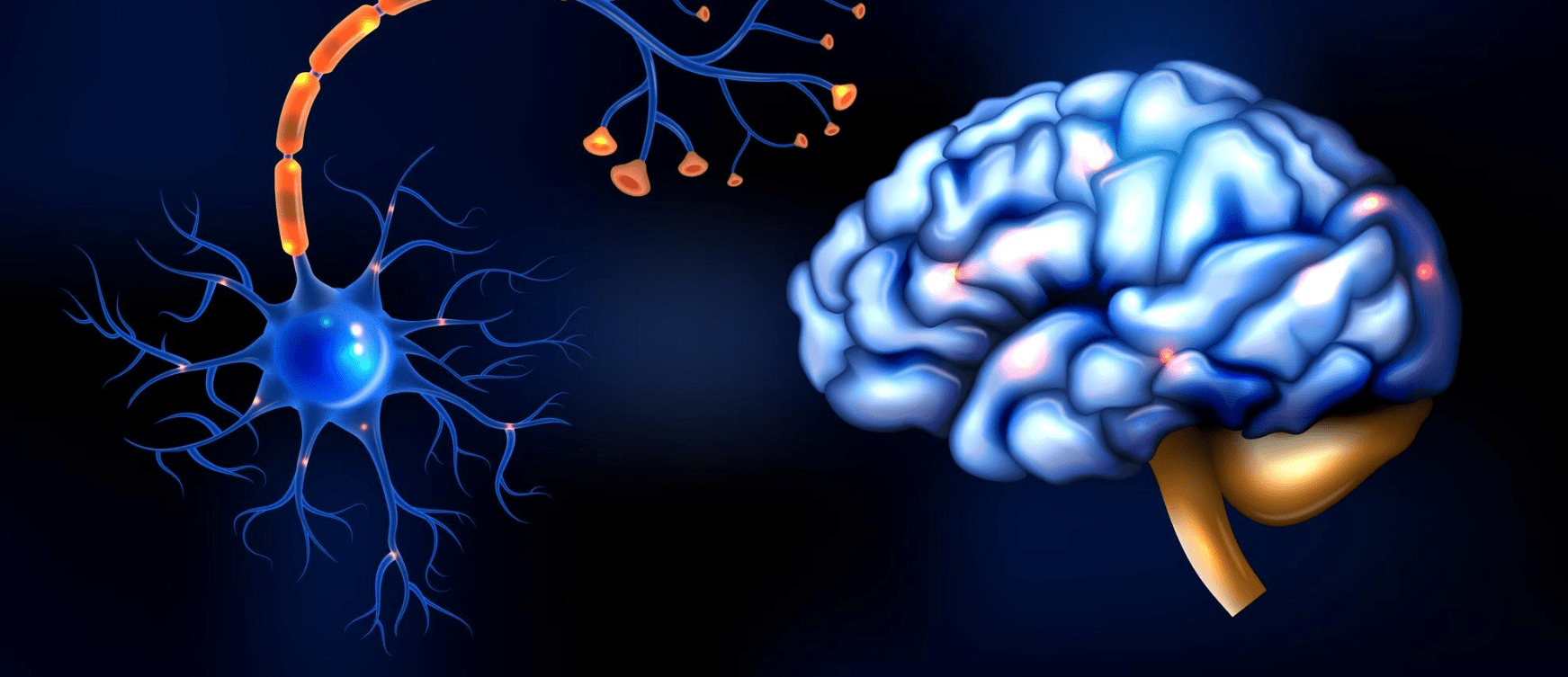
Engagement vs Learning Outcomes
| Design Goal | What It Encourages | Cognitive Result |
|---|---|---|
| Fast rewards | Speed over accuracy | Shallow processing |
| Visual stimulation | Passive recognition | Weak encoding |
| Streaks | Consistency without depth | Habit without mastery |
| Levels | Completion focus | Skipping hard material |
| Scores | External validation | Reduced intrinsic motivation |
When engagement becomes the primary metric, difficulty is smoothed out, mistakes are softened, and the learner is protected from frustration. Unfortunately, frustration is often the signal that the brain is actually changing.
The Illusion of Progress
One of the most damaging effects of gamified learning is the illusion of progress. Users feel like they are improving because the system constantly tells them they are. Badges accumulate, levels unlock, and percentages climb. Yet when tested outside the game environment, performance frequently collapses.
This happens because many gamified tasks rely on recognition rather than recall. Recognizing the right answer among options feels fluent and easy. Recalling it from memory without cues is hard and mentally expensive. Games tend to favor the former because it keeps users moving forward.
Over time, learners associate fluency with mastery. They confuse familiarity with understanding. This is a well documented cognitive bias known as the fluency illusion.
Signs of Illusory Learning
- Feeling confident during play but blanking later
- Needing hints or options to answer correctly
- Struggling to explain concepts in your own words
- Performing well in app metrics but poorly in real tasks
How Rewards Can Undermine Memory
Rewards are powerful motivators, but they come with tradeoffs. When learning is heavily reward driven, the brain focuses on optimizing reward acquisition rather than knowledge consolidation.
Research shows that extrinsic rewards can narrow attention. Instead of forming rich, interconnected memory traces, the learner focuses on the minimum required action to trigger the reward. This leads to brittle knowledge that breaks easily when context changes.
In gamified learning, rewards often arrive immediately after task completion. This short circuits reflection, error analysis, and consolidation. The learner moves on before the memory has stabilized.
Reward Timing and Learning Quality
| Reward Timing | Learner Focus | Memory Strength |
|---|---|---|
| Immediate | Task completion | Weak |
| Delayed | Process reflection | Stronger |
| Performance based | Outcome | Narrow |
| Effort based | Strategy | Broader |
Gamification Encourages Surface Strategies
When learners know they are being scored, timed, or ranked, they adapt. Not always in productive ways. They develop strategies to beat the system rather than strategies to learn.
- Pattern memorization instead of concept understanding
- Guess elimination instead of recall
- Speed optimization at the cost of accuracy
- Repeating easy content to maintain streaks
The Problem of Overcontextualized Learning
Gamified tasks often rely on highly specific cues, visuals, sounds, and mechanics. Learning becomes tied to those cues. When they disappear, so does performance.
This overcontextualization prevents abstraction. Knowledge works inside the game but fails outside of it, where cues are missing and problems look different.
The Moadly Approach
Moadly takes a different stance from most gamified learning platforms. Instead of optimizing for constant stimulation and short term engagement, Moadly is built around how memory and attention actually improve over time.
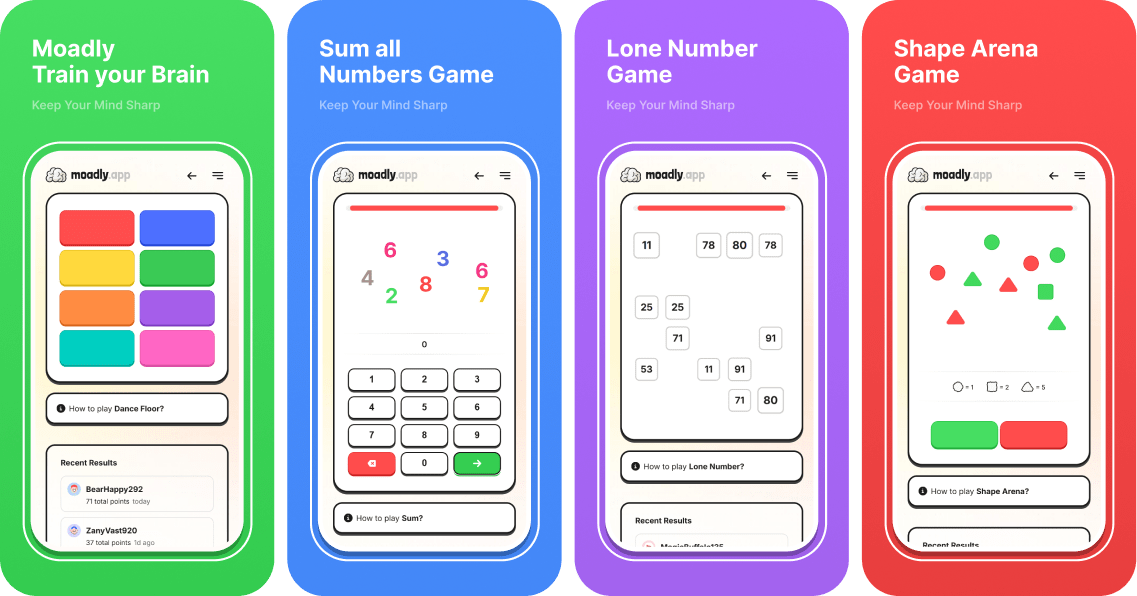
The platform prioritizes recall over recognition, repetition over novelty, and cognitive effort over entertainment. Sessions are designed to strengthen memory traces through repeated retrieval and gradual difficulty increases rather than masking effort with rewards.
- Recall based challenges instead of multiple choice tapping
- Structured repetition that reinforces long term memory
- Minimal visual distraction to support focus
- Difficulty that increases meaningfully instead of resetting for comfort
This approach may feel less exciting at first, but it aligns with what produces lasting cognitive change. Moadly does not try to convince users they are improving. It gives them the conditions needed to actually improve.
Conclusion
Gamified learning promises learning without effort, progress without frustration, and improvement without boredom. The brain does not work that way.
Real learning is slow and often uncomfortable. When gamification hides these realities, it can feel motivating in the moment while quietly undermining long term growth.
The real downside is not that gamified learning fails entirely, but that it teaches the wrong expectations about learning itself. Over time, this erodes patience, resilience, and the ability to engage deeply with challenging material.
The best learning tools are not the ones that feel smartest, but the ones that respect how cognition actually changes.