What is the 2 finger test in dementia?

When doctors or caregivers want to quickly check someone’s brain function, they often use short screening tests. One of the simplest and most interesting of these is called the 2 finger test. It’s quick, it’s easy, and it can reveal a lot about a person’s memory, coordination, and ability to follow directions. But what exactly is it, how does it work, and what does it tell us about dementia?
Let’s unpack everything about the 2 finger test for dementia, including how doctors use it, what it measures, what results might mean, and why exercises that strengthen your brain - like the ones in Moadly - can help support cognitive function over time.
Understanding Dementia in Simple Terms
Dementia isn’t just one condition. It’s a group of symptoms that affect thinking, memory, communication, and everyday functioning. Alzheimer’s disease is the most common form, but there are others too - like vascular dementia, Lewy body dementia, and frontotemporal dementia.
When a person develops dementia, parts of the brain that handle memory, attention, and motor control begin to lose function. That’s why simple tests like the 2 finger test can be so useful. They don’t require machines or long questionnaires. Instead, they rely on the brain’s ability to interpret instructions and control body movement in real time.
So What Is the 2 Finger Test?
The 2 finger test (sometimes called the “two finger command test”) is a short, bedside screening used by doctors and neurologists. It’s part of a broader group of quick mental and coordination checks designed to spot signs of cognitive decline.
Here’s how it usually works:
- The examiner tells the patient to “hold up two fingers.”
- Then, the examiner might say, “Now point to them with your other hand.”
Sounds simple, right? But this short command actually tests several key brain functions all at once. To do it correctly, your brain has to understand the verbal command, plan the movement, and execute it with both hands working together. If any of those brain circuits are disrupted, the person may struggle to perform the action correctly.
What the 2 Finger Test Measures
This test may seem too basic to reveal much, but it actually gives doctors clues about several cognitive systems, including:
- Comprehension: Can the person understand the spoken instruction?
- Working memory: Can they hold the command in mind long enough to complete it?
- Motor planning: Can they plan the sequence of movements correctly?
- Coordination: Are both hands responding properly?
- Attention: Can they stay focused on the task without being distracted?
Failing this test doesn’t automatically mean someone has dementia, but it can be a red flag - especially when combined with other symptoms or screening results. Doctors might follow up with more formal tests, such as the Mini-Mental State Exam (MMSE), the Montreal Cognitive Assessment (MoCA), or other neurological checks.
Why the Test Matters
The beauty of the 2 finger test is its simplicity. It doesn’t require tools, technology, or preparation. It’s something any trained clinician can perform in under 30 seconds. For patients who might be confused or anxious, that simplicity is a big deal - it feels less intimidating than formal testing.
Doctors use it not only to screen for dementia but also to evaluate patients after strokes, brain injuries, or severe fatigue. It’s a quick way to see whether the brain’s communication lines between comprehension and movement are working properly.
What Failing the 2 Finger Test Could Indicate
If someone can’t follow the two finger instruction, doctors consider several possibilities:
- Comprehension issues: The person might not fully understand the instruction because of dementia, aphasia, or confusion.
- Motor planning problems: They might understand the command but can’t plan the motion correctly, a symptom often seen in apraxia.
- Inattention: The person may be distracted or fatigued, leading to incomplete performance.
- Neurological defcits: If the person has had a stroke or brain injury, certain motor pathways might not respond as expected.
In dementia, failure usually reflects difficulty processing multi-step commands or poor short-term working memory. These are common signs of early cognitive decline, especially in Alzheimer’s and frontotemporal dementia.
How It Fits Into Broader Dementia Testing
The 2 finger test isn’t used alone to diagnose dementia. It’s part of a collection of short screening tasks. For example, a clinician might also ask the person to name objects, draw a clock, recall words, or follow other physical commands like “touch your nose, then touch your ear.”
Each of these small exercises helps reveal how well the brain processes, stores, and recalls information. Together, they give a snapshot of cognitive health and help doctors decide whether further testing is needed.
Can You Try the 2 Finger Test at Home?
Yes, technically you can try it at home, but it’s important to remember that it’s only one small clue. If you ask a loved one to perform the test and they hesitate or do it incorrectly, don’t panic - confusion can happen for many harmless reasons like tiredness, anxiety, or hearing difficulty.
However, if you notice repeated trouble following short commands or remembering basic tasks, that might be worth discussing with a healthcare provider. Early testing and treatment can make a big difference in managing dementia symptoms.
What Doctors Look for Beyond the Test
When assessing someone’s cognitive health, doctors look at the whole picture. They consider symptoms like:
- Short-term memory loss
- Difficulty managing daily routines
- Confusion about time or place
- Trouble finding words or following conversations
- Changes in mood, motivation, or judgment
They might also ask about family history, review medications, and order blood tests or brain imaging. The goal isn’t just to confirm dementia but to rule out other possible causes like depression, tyroid problems, or vitamin deficiencies.
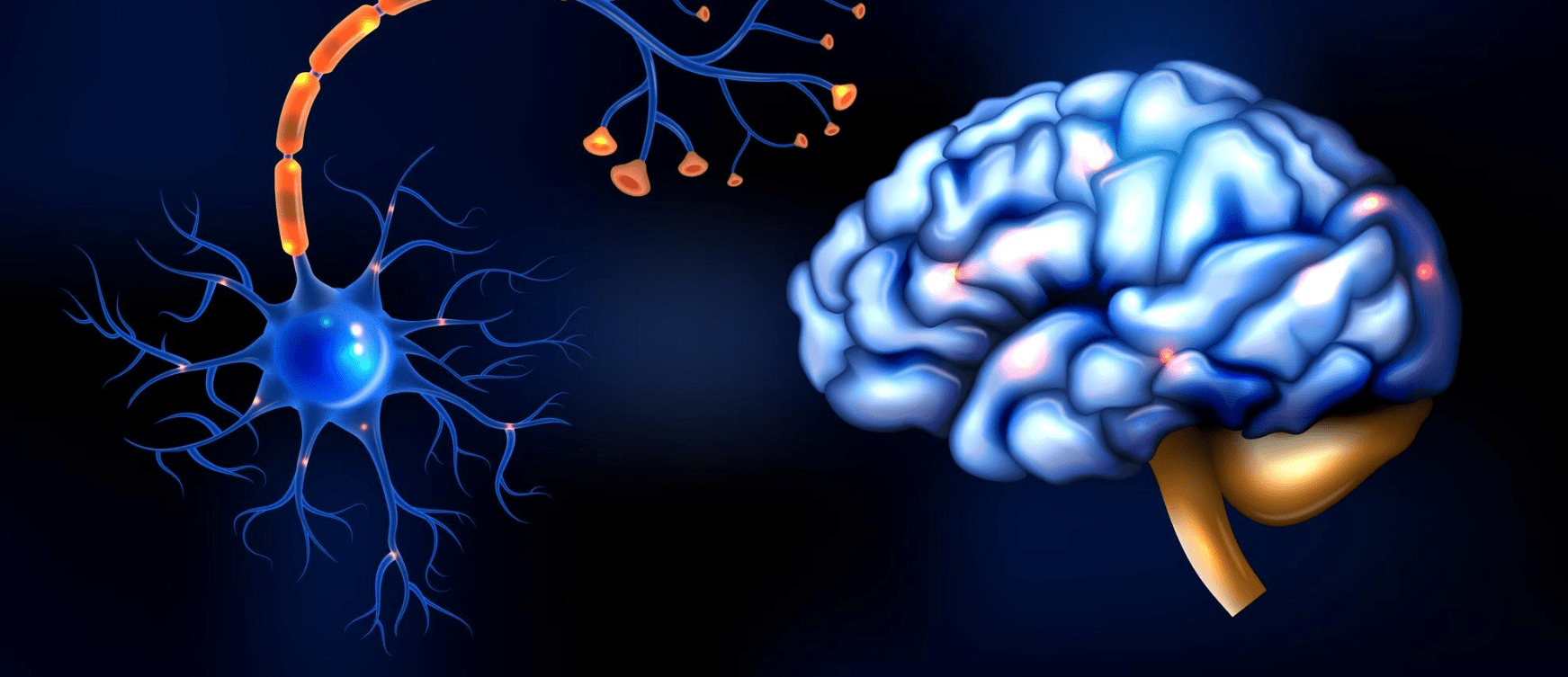
What the 2 Finger Test Reveals About Brain Function
When someone performs the 2 finger test correctly, it shows that several brain regions are working together seamlessly:
- The frontal lobe processes the instruction and plans the movement.
- The parietal lobe integrates spatial awareness and limb control.
- The motor cortex executes the action.
- The corpus callosum coordinates both hands.
So even though it looks simple, it’s actually a mini coordination test that quietly assesses complex brain activity. That’s why doctors use it in both dementia and neurological exams - it’s efficient and surprisingly informative.
Why Mental Exercise Matters
While the 2 finger test is for detection, mental exercises are for prevention. Research suggests that regular brain training can strengthen neural connections, improve attention, and delay cognitive decline. It doesn’t “cure” dementia, but it can help slow the rate of decline and keep the mind sharper for longer.
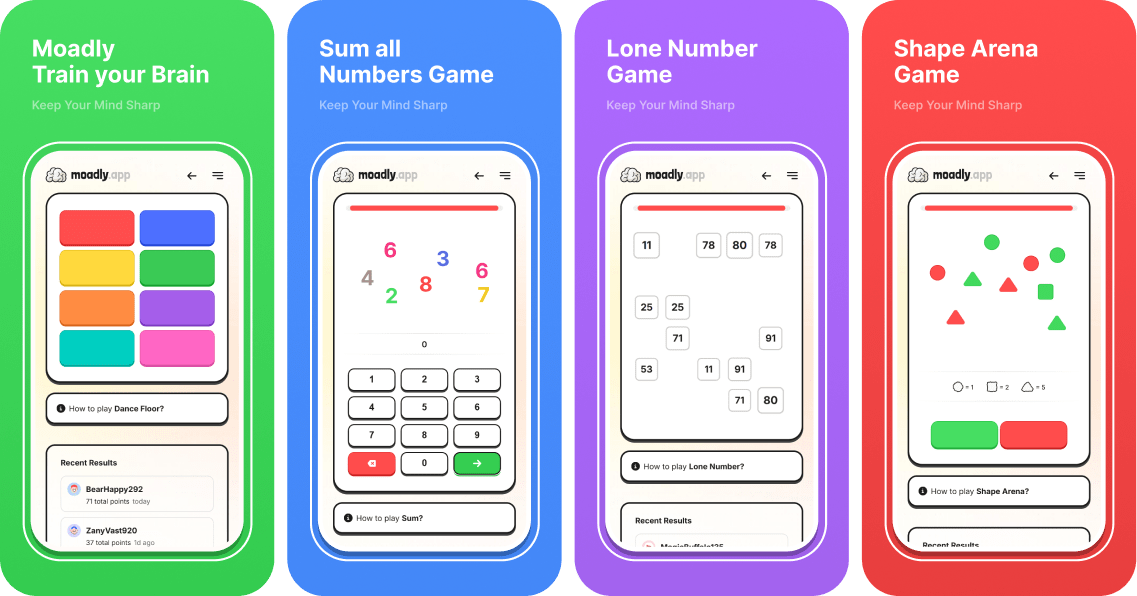
That’s where apps like Moadly come in. It’s a free, easy-to-use brain training app that targets memory, focus, and problem-solving through quick, interactive games. Unlike complicated clinical programs, Moadly makes brain training fun, short, and stress-free. You can do a few rounds anytime - while having coffee, waiting in line, or before bed - and still get meaningful cognitive benefits.
If you’re curious about how brain training can help keep your mind young, check out this guide on preventing brain aging or this article explaining how apps like Moadly actually work.
Other Simple Dementia Screening Tests
The 2 finger test isn’t the only quick cognitive check used in dementia screening. Here are a few others you might hear about:
- Clock Drawing Test: The person is asked to draw a clock showing a specific time. It tests visuospatial skills and executive function.
- Three Word Recall: The examiner says three simple words, and the person must recall them later in the test.
- Serial Sevens: The person counts backward from 100 by sevens. It measures concentration and mental calculation ability.
- Command Sequences: Instructions like “clap your hands twice, then touch your nose.” These check memory and processing speed.
These tests may sound trivial, but they are powerful indicators of how the brain handles multitasking, recall, and focus - all areas that apps like Moadly train through simple, game-like exercises. For example, Moadly’s math puzzles and focus games challenge the same mental processes these tests evaluate.
Why Early Detection Is So Important
The earlier dementia is recognized, the more options patients and families have for treatment and support. Early diagnosis means lifestyle changes, medication, and brain training can begin sooner - all of which can make a big difference in quality of life.
That’s also why keeping your brain active is so valuable, even before symptoms start. Regular mental activity has been linked to better long-term brain health. Whether it’s through puzzles, learning a new skill, or using cognitive training apps, the goal is to keep your mind flexible and engaged.
If you’re interested in keeping your brain sharp, check out this list of free brain training games for adults or this article about improving mental clarity naturally.
Can Brain Training Prevent Dementia?
No app or exercise can guarantee you’ll never develop dementia. But science supports the idea that consistent brain stimulation can help delay its onset or reduce its impact. When you challenge your mind - whether with games, learning, or problem-solving - you’re helping build what neurologists call “cognitive reserve.”
Cognitive reserve is like a safety net. The stronger it is, the more your brain can compensate for early changes caused by aging or disease. That’s why activities like mental puzzles, memory training, and logical games are so important for long-term brain health.
Apps like Moadly were designed around this concept. They give you short bursts of structured mental exercise that train your brain’s speed, focus, and adaptability - all key components of cognitive reserve.
Signs You Should Talk to a Doctor
If you or someone you care about has started showing signs like frequent forgetfulness, repeating the same questions, getting lost in familiar places, or struggling to follow simple directions, it’s worth getting a medical opinion. The 2 finger test can be one of many ways a doctor begins that evaluation.
Don’t wait until the symptoms become severe. Even mild cognitive changes can be meaningful. Early assessment gives you the best chance to take control of brain health, adapt routines, and explore supportive tools like memory games or apps that strengthen focus and recall. You can learn more about that in this post about memory games for focus and recall.
The Bottom Line
The 2 finger test might look like a simple command, but it’s a clever way to peek into how the brain processes, plans, and performs. It checks comprehension, coordination, and attention in just a few seconds - and it’s especially helpful for spotting early signs of dementia or other cognitive issues.
While it’s not a standalone diagnostic tool, it’s a useful part of broader screening. If someone struggles with it, doctors can follow up with more detailed cognitive exams to get a clearer picture.
And for those who want to stay mentally sharp long before any decline begins, apps like Moadly offer a fun, no-pressure way to strengthen the same mental skills the 2 finger test measures. Quick, free, and effective - Moadly is brain care made easy.
If you want to learn more about keeping your brain in top shape, check out these related articles:
- App to Prevent Brain Aging
- Free App for Curing Brainrot and Restoring Focus
- Free App for Improving Memory in Adults and Seniors
Take care of your brain today - it’s the best long-term investment you’ll ever make.