Why random challenges do not build real memory
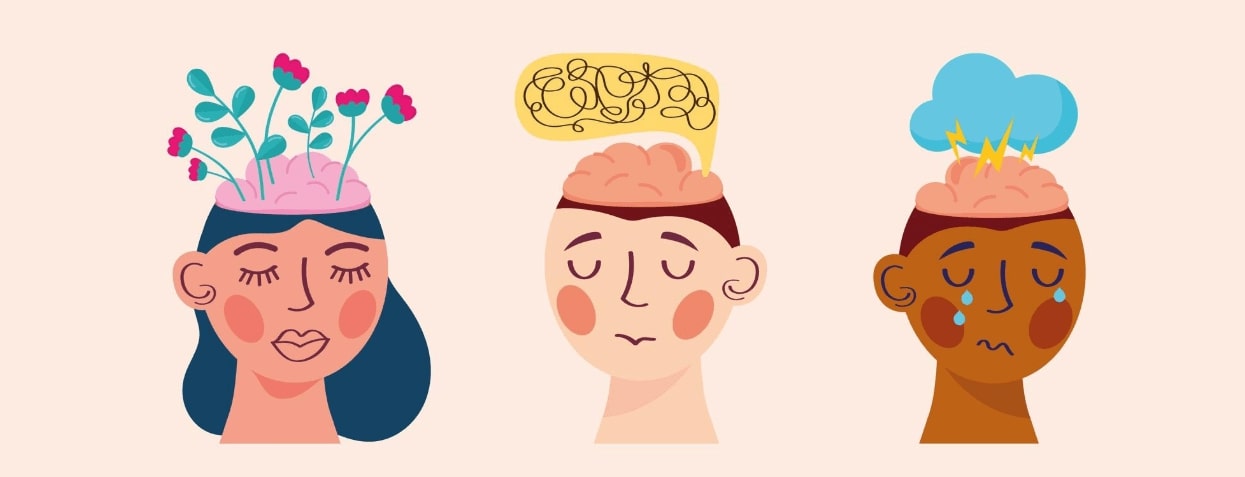
Random challenges feel productive. A new task every day, unexpected rules, surprise difficulty spikes, different formats each session. It feels like your brain is being pushed, stretched, forced to adapt. Many brain apps rely heavily on this feeling.
Variety is marketed as intelligence training, and randomness is sold as cognitive depth. The problem is that real memory does not work that way. Random challenges are excellent at keeping attention temporarily, but they are poor at building durable memory.
Most people who rely on random challenges experience the same cycle. Early excitement, followed by stagnation, followed by abandonment. They feel busy but not better. They feel mentally active but still forget names, lose focus, and struggle to retain information in daily life. This is not because their brain failed. It is because randomness trains reaction, not retention.
Why randomness feels effective at first
Random challenges trigger novelty. Novelty activates dopamine. Dopamine creates motivation and engagement. That loop makes the experience feel valuable even before any real learning happens. The brain confuses stimulation with improvement.
This is why random challenges feel harder and more impressive than structured repetition. Difficulty combined with surprise creates the illusion of depth. But illusion is not memory.
- Novelty keeps attention temporarily
- Surprise creates emotional spikes
- Difficulty feels like progress
None of these guarantee long term retention.
Memory requires predictability, not chaos
For memory to form, the brain needs to recognize patterns that repeat under similar conditions. Predictability tells the brain something is worth storing. Randomness sends the opposite signal. It tells the brain that the information is unlikely to reappear.
If every session is different, the brain treats each task as disposable. You perform it, then let it go. This is efficient for survival but terrible for memory training.
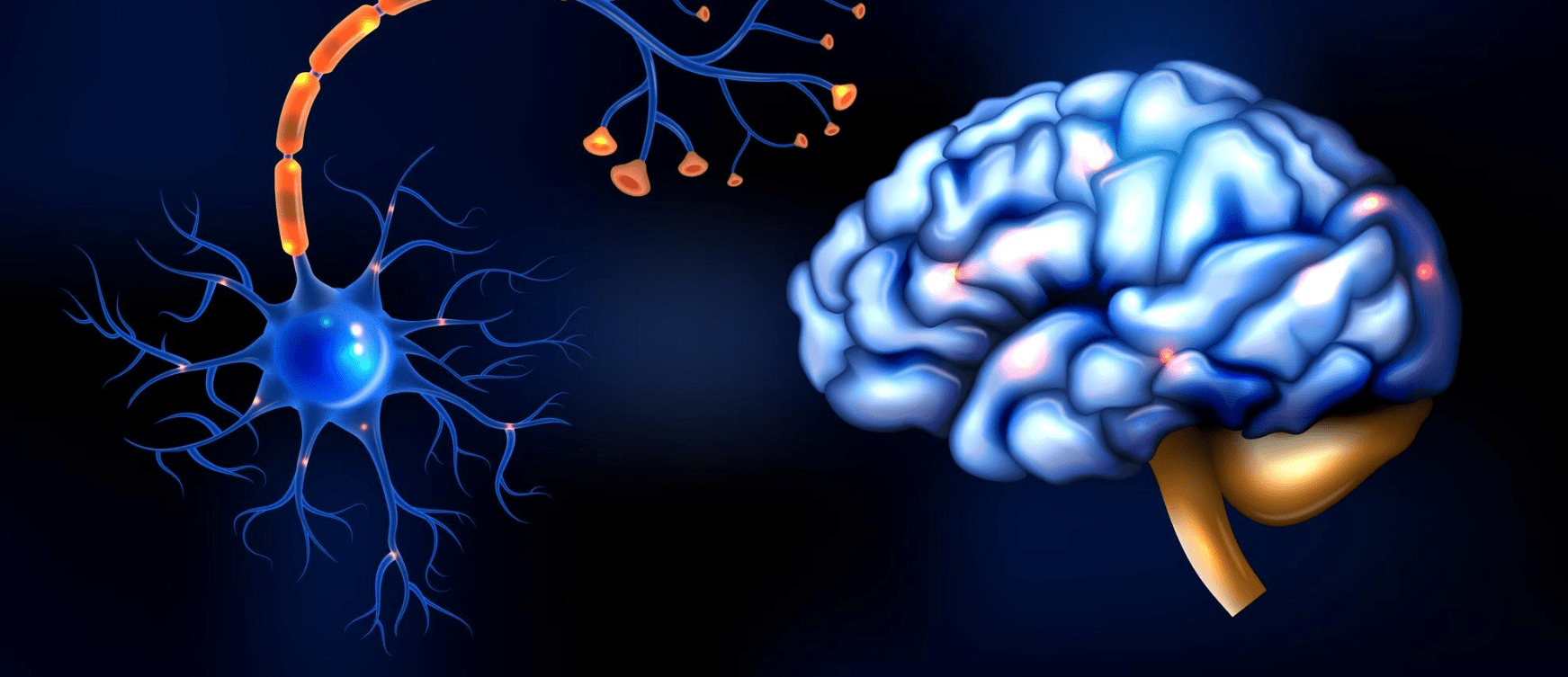
Random challenges train flexibility, not memory
There is nothing inherently wrong with random challenges. They train cognitive flexibility, reaction speed, and short term adaptation. What they do not train is stable recall.
This distinction matters because many apps blur it intentionally. They call flexibility memory. They call reaction speed intelligence. Users improve at switching tasks but not at remembering information.
This confusion is why articles like brain games that feel smart but do nothing resonate so strongly. People sense the gap even if they cannot articulate it.
Why recall fails to improve
Recall depends on reinforcement. Reinforcement depends on repetition. Random challenges minimize repetition by design.
When the brain cannot anticipate what will be asked next, it does not invest resources in long term storage. It optimizes for performance in the moment instead.
That is why people can perform well during a session and still forget everything the next day.
What real memory training actually needs
- Repeated exposure to similar material
- Stable task structure
- Low distraction environments
- Gradual difficulty progression
None of these feel exciting. All of them feel predictable. Predictability is exactly what allows consolidation to happen.
Randomness blocks consolidation
Consolidation happens when the brain strengthens connections after exposure. This process relies on recognizing the same signals again and again. Random challenges interrupt this process.
Each new format forces the brain back into orientation mode. Instead of reinforcing memory, it wastes energy understanding rules.
This is why repetition matters more than novelty when the goal is memory improvement.
The illusion of difficulty
Random challenges often feel hard. Hardness is mistaken for effectiveness. But difficulty alone does not build memory.
Memory grows through successful recall under stable conditions. Constant failure under unpredictable conditions teaches the brain to disengage.
| Random challenge behavior | Effect on memory |
|---|---|
| New task every session | No reinforcement |
| Unpredictable rules | High cognitive noise |
| Sudden difficulty spikes | Stress interferes with encoding |
| Constant novelty | Low consolidation |
Why random challenges feel less boring
Randomness hides boredom. There is always something new to react to. That keeps users engaged but prevents depth.
Structured repetition feels boring because the brain stops receiving novelty signals. That boredom is exactly when consolidation begins.
This is why memory improvement feels boring at first.
Random challenges and short term memory overload
Random tasks rely heavily on short term memory. You hold information briefly, respond, then discard it. This trains working memory endurance, not long term storage.
Once the task ends, the brain releases the information because it expects it will not be needed again.
This explains why people feel mentally tired but do not remember more afterward.
Why variety is oversold
Variety sells because it promises excitement. It also reduces accountability. If nothing improves, the app can blame the user instead of the structure.
In reality, too much variety fragments learning.
Moderate variation within a stable framework works. Pure randomness does not.
What structured variation looks like
| Bad variation | Good variation |
|---|---|
| Completely new task daily | Same task, small parameter changes |
| Unpredictable rules | Consistent rules, gradual load increase |
| Surprise difficulty spikes | Predictable progression |
Why random challenges fail in daily life transfer
Real life is not random in the same way apps are. Names, routines, information streams repeat. Memory improves when training mirrors that structure.
Random challenges train the brain to expect disposability. Daily life requires persistence.
This mismatch explains why users often say, "I am better at the game, but my memory is still bad."
Stress and randomness
Unpredictability increases cognitive stress. Stress reduces memory encoding quality. This creates a contradiction where harder, more random tasks produce worse retention.
This is why harder games are not always better for your brain.
Why people defend random challenges
People defend random challenges because they feel effortful. Effort feels virtuous. If something feels easy or boring, it feels unworthy.
Memory does not reward virtue. It rewards signal clarity.
How moadly avoids the randomness trap
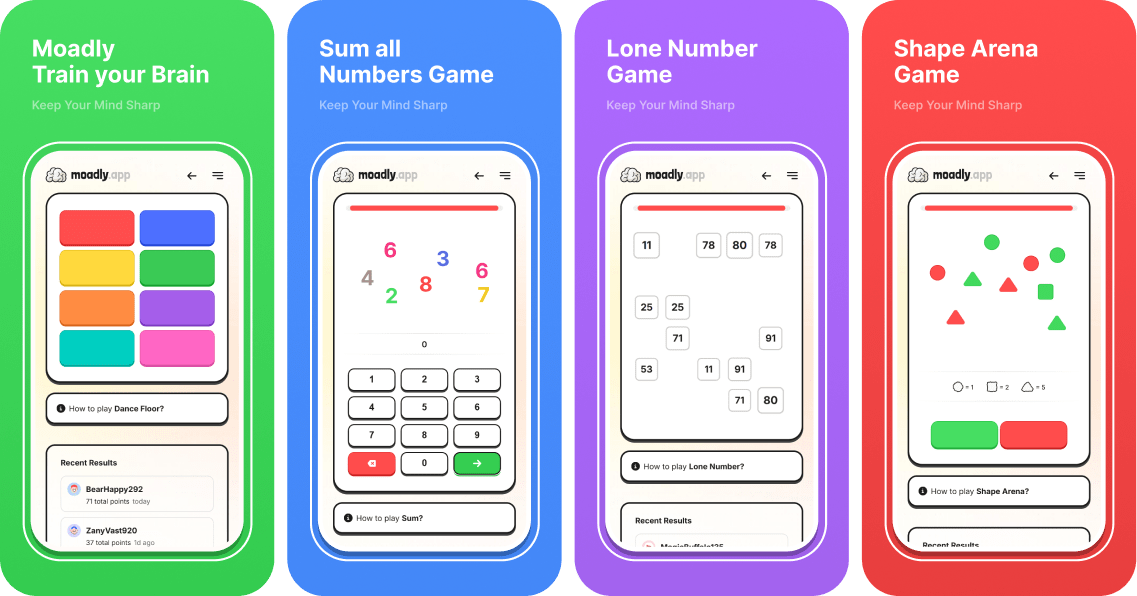
Moadly limits randomness deliberately. Tasks are stable. Variation is controlled. Difficulty progresses gradually. Sessions are short and focused.
This structure allows repetition without monotony and challenge without chaos.
User data from https://moadly.app/survey/ shows that users report fewer memory lapses over time, not just better in-app performance.
When randomness can be useful
Random challenges are not useless. They are useful after a strong memory foundation exists. At that stage, randomness tests flexibility without eroding retention.
Used too early, randomness prevents the foundation from forming.
Why boredom is a better signal than excitement
Excitement signals novelty. Boredom signals stability. Memory grows in stability.
If training feels boring, it does not mean nothing is happening. It often means the brain is reinforcing instead of reacting.
The uncomfortable truth
Random challenges are popular because they feel smart. Real memory training feels plain. One entertains. The other changes how reliably your brain works.
If memory improvement is the goal, randomness should be limited, controlled, and purposeful. Otherwise, you are training your brain to perform briefly, not remember deeply.
Real memory is built through repetition, predictability, and time. Random challenges offer none of these.
That is why they fail.