Morning Rituals: Expert Tips for a Sharper Mind and Better Day
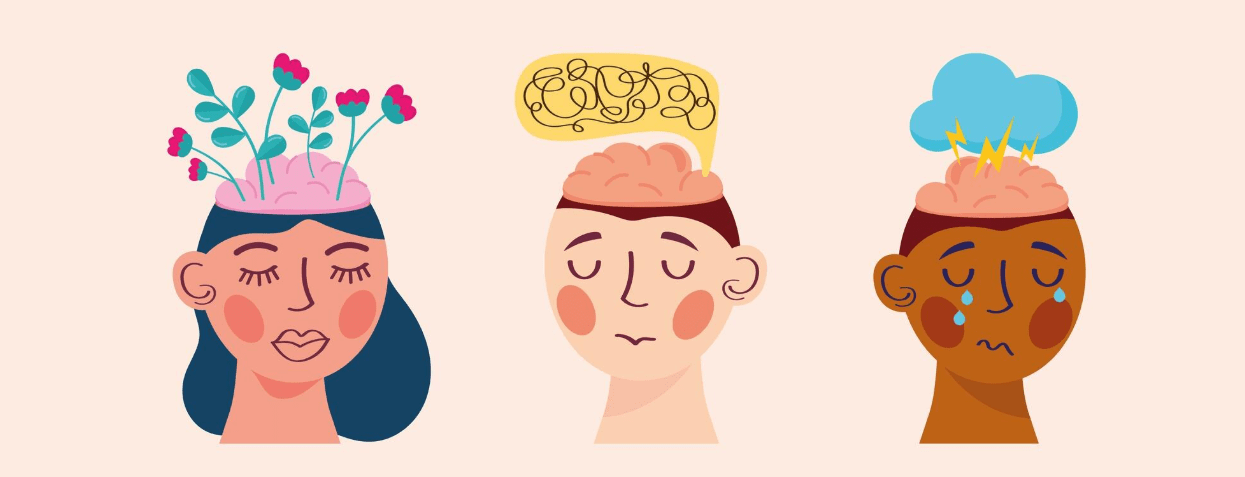
Your morning sets the stage for a wonderful day. It is like the opening scene of a movie! Small habits in that first hour can sharpen your mind plus boost your mood. You might enjoy a quiet moment or prefer a brisk walk. This guide shares simple ways to clear your head and keep your brain healthy for a long time.
Why Your Morning Routine Matters
A good start is not just about being tidy. It gives your brain a vital head start. When you start with a plan, you help your body manage stress. This keeps you focused and helps you learn new things throughout the day.
I remember when I first started drinking water before coffee; I felt like a new person. For older adults, these habits are even more important. Early mental play can help keep your mind young. You might try Moadly’s memory training games for quick exercises that build up your memory first thing.

10 Fun Ways to Wake Up Your Brain
Experts suggest these easy steps to brighten your morning:
- Stick to a wake-up time - Your body loves a rhythm. Waking up at the same hour helps you feel alert.
- Drink a big glass of water - Your brain is mostly water! Drinking some right away helps you concentrate plus wakes up your stomach.
- Move your body - A quick stretch or a walk is perfect. It sends fresh blood to your head so you feel awake.
- Take deep breaths - You could try a few minutes of quiet sitting. This lowers stress and helps you think clearly.
- Play a quick game - Tools like Moadly offer fun challenges. You might try Lone Number or Pattern Trace to test your skills early.
- Eat a healthy breakfast - Try some eggs or oatmeal. These fuels give you steady energy without a sugar crash.
- Write down your goals - You could spend three minutes planning. This helps you get things done plus stops you from putting tasks off.
- Put the phone away - You do not need to check the news yet. Wait until you finish your routine so you stay calm.
- Find some sunshine - Light tells your brain it is time to work. It is like an "on" switch for your mood.
- Think of something good - You might name one thing you love. This builds a strong and happy mind.
How These Habits Help Your Brain
Doing these things every day offers great rewards:
- You remember facts better because you practiced focusing.
- Your attention stays strong all through the afternoon.
- You feel less worried plus more cheerful.
- Your brain stays flexible by solving little puzzles.
- You protect your long-term health with memory training activities.
Adding Brain Play to Your Morning
You do not need a lot of time to get smarter. Short sessions on Moadly fit right into your breakfast break. So, you could try these:
- Dance Floor - Work on your memory while you have fun.
- Second Biggest Number - Help your math skills grow.
- Repeated Number - Find patterns to keep your eyes sharp.
- Quick Reaction - Improve how fast you think plus act.

Advice from the Experts
Pros say you should start small. You do not have to do all ten things tomorrow! So, pick three ideas and try them for a week. You will likely feel more energetic very soon.
- Doing a little bit every day is better than a lot once a week.
- Choose things you actually enjoy doing.
- Keep track of how you feel so you can see your progress!
Frequently Asked Questions
Q: How long does this take?
A: You can finish in twenty minutes. Then you are ready for anything. You might spend five minutes breathing plus ten minutes on a game.
Q: Can these habits help me stay sharp as I get older?
A: Yes! Constant mental play plus exercise are great for your head. You can read more about brain training for older adults for more tips.
Q: Do I need fancy gear?
A: Not at all. A simple pen or a glass of water is plenty. But apps like Moadly make it easy to follow a plan that works.
Q: When will I feel a difference?
A: You might feel more cheerful in just a few days.. Bigger changes in memory usually take a few months of practice.
Your Fresh Start
Morning routines are a gift you give to yourself. You are preparing your mind for a busy day. By drinking water, moving, and playing games, you keep your memory strong. Using Moadly is a great wa yto give your brain the workout it deserves!
Try picking just one new habit to start tomorrow morning and see how you feel!