The Habit App Industrial Complex is Broken
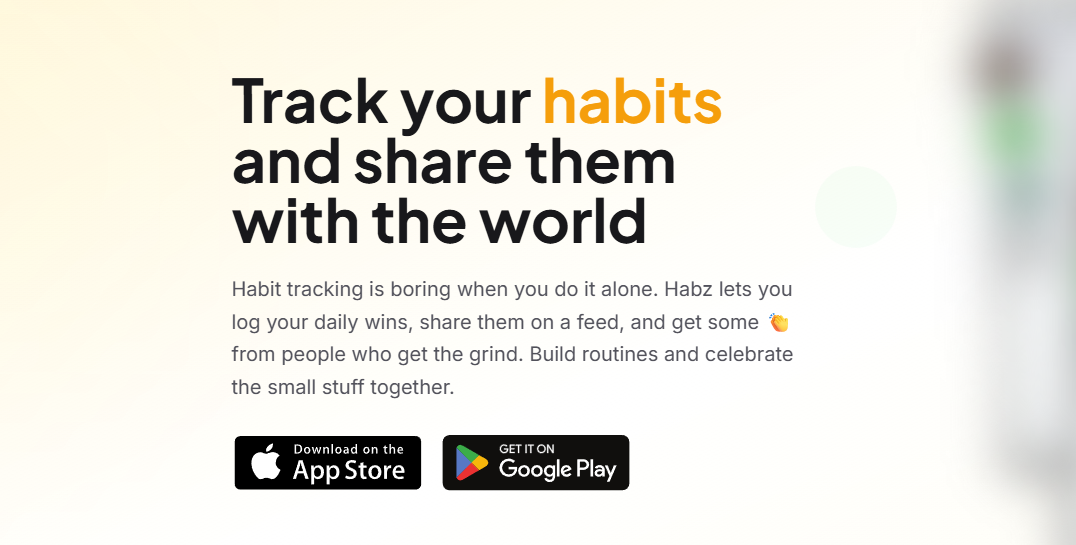
Let’s be real for a second: the App Store is a graveyard of good intentions. We’ve all been there. It’s Sunday night, you’re feeling motivated, and you download three different habit trackers.
You set reminders to drink 3 liters of water, meditate for 20 minutes, and journal about your "inner child." By Wednesday, those apps are just icons on your screen that you’ve learned to ignore. By the following Sunday, you’re deleting them to make room for photos of your lunch.
For the last decade, the personal development industry has tried to turn self-improvement into a math problem. They gave us spreadsheets disguised as apps, thinking that if we just saw a little red circle turn green, we’d suddenly become the disciplined, high-achieving versions of ourselves we see on TikTok. It didn't work. In fact, despite having more tools than ever, we are more distracted and less consistent than any generation in history.
The problem isn’t you. The problem is that these apps were designed for robots, but your brain is wired like a social primate. This is exactly where Habz comes in. It’s not trying to be another "glorified spreadsheet." It’s trying to be the social engine that makes discipline actually addictive.
The Myth of "Internal Motivation"
The biggest lie the productivity industry ever told you is that you just need more "willpower." If you fail to hit your goals, it’s because you’re lazy, right? Wrong. Behavioral science tells a completely different story. Dr. B.J. Fogg at the Stanford Behavior Design Lab has spent decades proving that motivation is the most unreliable resource we have. It’s like a battery that’s always at 10% when you actually need it.
Traditional habit trackers like Streaks or Habitica rely 100% on that leaky battery. They give you a private screen where you check a box. If you don't check the box, nothing happens.
No one knows. There is zero friction to failing. When the only person you’re letting down is a piece of software, it’s incredibly easy to make excuses. Your brain is a world-class lawyer when it comes to defending your own laziness.
Why Your Brain Ignores "Digital Nags"
Most habit apps rely on the "Push Notification" model. At 8:00 AM, your phone pings you: "Time to meditate!" You’re in the middle of an email, or you’re driving, or you’re just not in the mood. You swipe the notification away. After three days of this, your brain undergoes a process called "habituation."
You literally stop seeing the notification. It becomes background noise, no different from an update about your data plan or a random spam email.
There is no social cost to ignoring a digital nag. But imagine if your best friend texted you and said, "I’m at the gym, where are you?"
You can’t swipe that away as easily. That’s because the cost of ignoring a human is social friction, and as humans, we are evolutionarily wired to avoid that at all costs. Habz recognizes this. It moves the "trigger" from an automated bot to a social community.

The Identity Shift: Why Being Seen Matters
In the world of high-performance habits, there’s one book everyone quotes: Atomic Habits. In it, James Clear makes a brilliant point: you don’t want to "read more books," you want to become a reader. True change happens at the level of identity.
But identity isn’t formed in a vacuum. Identity is a social construct. You aren't "a runner" just because you ran once; you become "a runner" when you share that identity with a tribe and they reflect it back to you. When you use Habz, you aren't just logging data; you’re building a public reputation.
You are telling your circle, "This is who I am." Once you’ve made that public claim, your brain works overtime to stay consistent because it doesn’t want to be seen as a flake. It’s basic psychology: we care what people think of us. Instead of fighting that "ego," Habz uses it to keep you disciplined.
The "Social Feed" is the Secret Sauce
Social media gets a bad rap for being a time-waster, and usually, it is. We spend hours scrolling through rage-bait and mindless entertainment. But Habz takes that exact same addictive "feed" architecture and flips it. Instead of scrolling through junk, you’re scrolling through a feed of discipline.
This creates two massive psychological shifts:
- Social Proof: When you see your friends posting their 6:00 AM workouts or their healthy meals, your "internal normal" shifts. If everyone in your feed is being productive, you feel like the odd one out if you aren't. Productivity becomes the standard, not the exception.
- Mimetic Desire: This is a fancy way of saying we want what others want. When you see a friend getting "claps" and fire emojis for their 50-day streak, you want that validation too. You start craving the habit because you crave the social status that comes with it.
Proof of Work: No More Faking It
Let’s be honest: in a private habit app, you can lie. You can check the "Read 30 Minutes" box while you’re actually watching Netflix. You’re only cheating yourself, sure, but humans are great at cheating themselves.
Habz introduces "Proof of Work." It encourages you to post a photo or a text update. Taking a photo of your open book or your post-run sweat isn't just "social media crap", it’s a micro-commitment. According to the American Psychological Association, people who share their progress with others are significantly more likely to achieve their goals. The act of "proving" your work to your tribe makes the habit feel real. It makes it tangible.
Healthy Competition and the "Discipline Gap"
We are competitive animals. We can pretend we aren’t, but put a leaderboard in front of us and our lizard brains light up. Habz uses friend leaderboards to create what I call the "Discipline Gap."
When you see that your buddy is one day ahead of you on a streak, it gnaws at you. You don’t want to be the one who falls behind. This isn't toxic; it’s a "rising tide" effect. When one person in a group levels up, they pull everyone else up with them. You start competing to see who can be the best version of themselves. It turns the "daily grind" into a game you actually want to win.
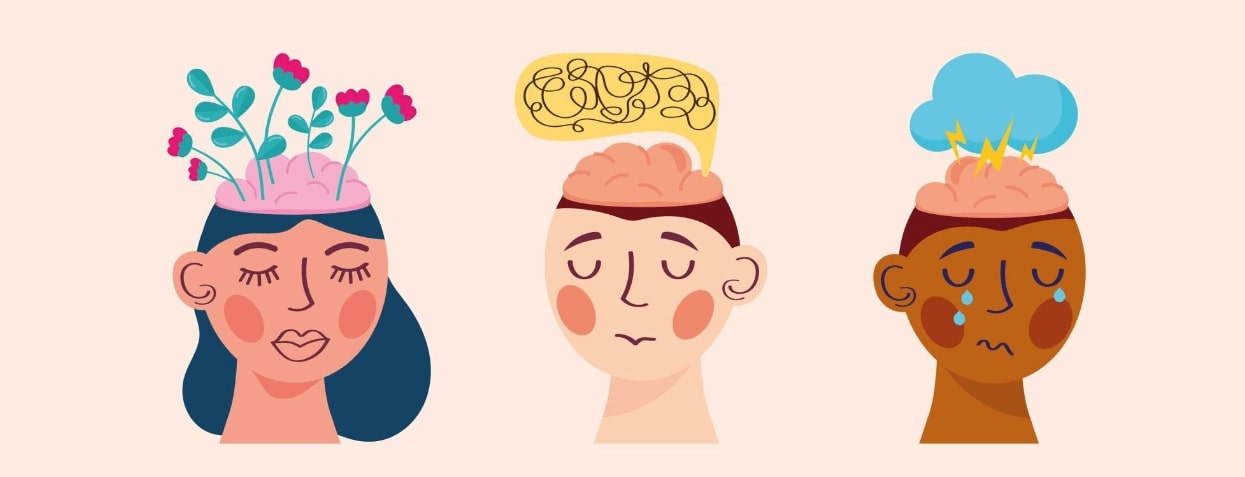
Dealing with Human Reality: The Streak Restoration
Traditional habit apps are incredibly fragile. If you have a 100-day streak and you miss one day because you got the flu or had a family emergency, the app resets you to zero. This is the "What the Hell Effect." You feel like you’ve already failed, so you might as well give up entirely. It’s a perfectionist’s trap.
Habz is built for humans, not algorithms. Features like **Streak Restorations** acknowledge that life happens. The goal isn't to be perfect; the goal is to be resilient. By allowing you to restore a streak, Habz keeps the momentum alive. It encourages you to get back on the horse instead of walking away from the stable. It prioritizes the long-term journey over the short-term data point.
Why Habz is the Final Destination
We’ve tried the solitary trackers. We’ve tried the planners. We’ve tried the "willpower" method. None of it sticks because none of it accounts for the fact that we are social creatures who need connection, visibility, and accountability to thrive.
Habz works because it makes discipline fun. It takes the "gamification" that casinos and social media companies use to keep us hooked and repurposes it for something that actually matters: your growth.
Instead of scrolling through Instagram and feeling bad about your life, you scroll through Habz and feel inspired to change it. You’re giving claps to a stranger who just hit Day 10, and you’re getting them back from a friend who’s proud of your Day 100.
Building a better version of yourself in the dark is hard. It’s lonely, and it’s boring. Habz brings your growth into the light. It provides the tribe you need to keep going when the initial motivation fades. It provides the "oxygen" that turns a temporary resolution into a permanent part of your identity.
Stop Tracking in the Dark
If you’re tired of the same old cycle, download, track for a week, delete, repeat, it’s time to change your toolkit. Stop using apps that treat you like a data entry clerk. Start using a platform that treats you like a human being.
Go to Habz.app, add your friends, and start turning your daily discipline into a shared victory. Your future self is waiting, and for the first time, your tribe is waiting too. It’s time to win together.