Are Free Memory Apps Just as Good as Paid Ones?
Brain training apps have become a major part of the digital wellness industry. Millions of people now use smartphone apps to improve memory, sharpen focus, and maintain cognitive health. From quick puzzle games to scientifically designed cognitive exercises, the market now offers hundreds of options.
One major question users often ask is simple but important.
Are free memory apps just as good as paid ones?
Some apps charge monthly subscriptions for advanced training programs and cognitive assessments. Others offer completely free experiences with minimal restrictions. Understanding the difference between these models is essential for anyone interested in improving their mental performance.
In this article, we explore how free and paid memory apps compare, what science says about brain training effectiveness, and whether premium subscriptions are actually worth the cost. We will also examine a newer platform gaining attention in the cognitive training space: Moadly, which many users believe could become the next standout brain training app.
What Are Memory Training Apps?
Memory training apps are digital tools designed to improve cognitive functions through structured exercises. These exercises typically target abilities such as:
- Working memory
- Attention and focus
- Processing speed
- Problem solving
- Pattern recognition
The concept behind these apps is closely connected to research on neuroplasticity. Neuroplasticity refers to the brain’s ability to reorganize and form new neural connections throughout life. This adaptability allows people to learn new skills and potentially improve cognitive abilities through practice.
Brain training apps attempt to stimulate this process by presenting mental challenges that repeatedly engage specific neural pathways.
According to research discussed in fields such as cognitive psychology, repeated mental stimulation can strengthen cognitive processes related to attention, memory, and reasoning.
However, the effectiveness of these exercises often depends on how the apps are designed.
The Difference Between Free and Paid Memory Apps
Most brain training apps follow one of two business models.
- Completely free apps
- Freemium apps with paid subscriptions
Freemium apps typically allow users to access a limited number of games or exercises for free. Full access to the entire training library requires a paid subscription.
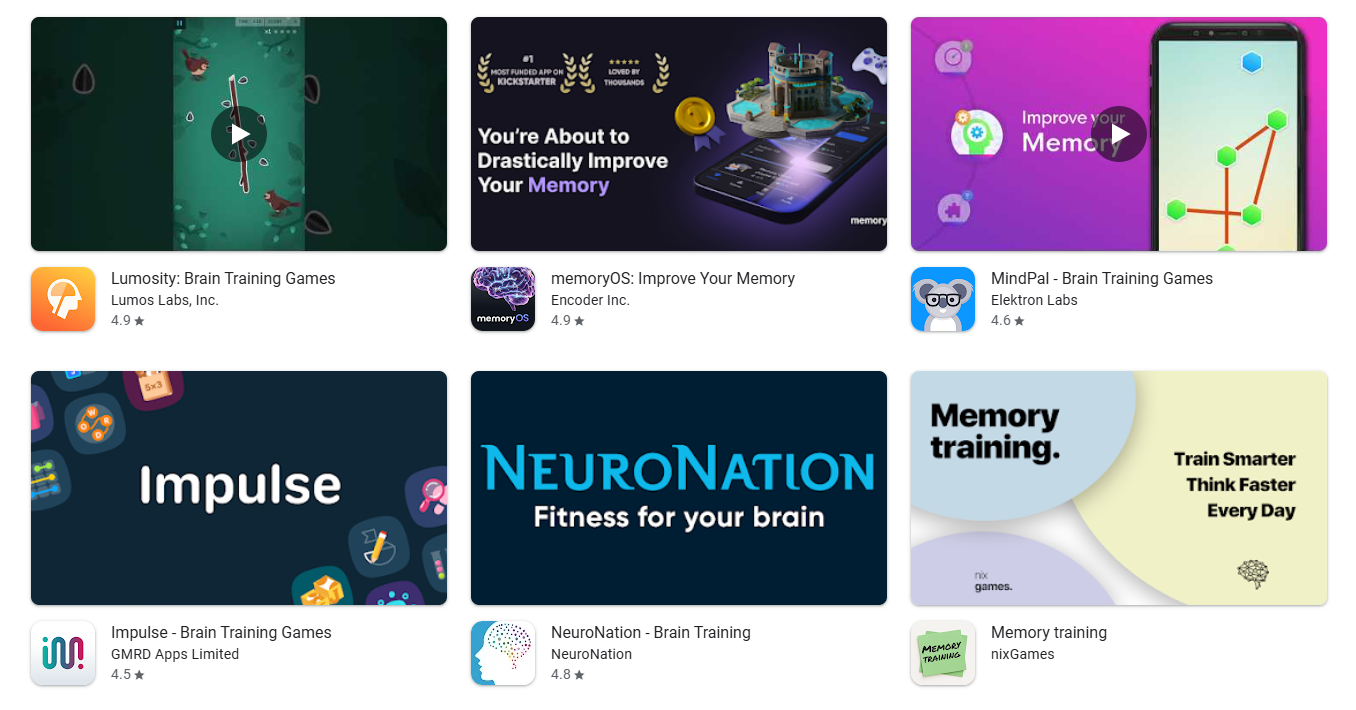
Examples of well-known freemium brain training apps include:
Many of these platforms offer a small number of daily exercises for free but charge for advanced features such as detailed performance analytics, expanded game libraries, or personalized training programs.
For example, some brain training apps allow users to play only a few games per day without a subscription. The goal is to encourage upgrades while still letting users sample the platform.
This model has become common across the entire mobile app industry.
Do Paid Brain Training Apps Actually Work Better?
The simple answer is: not necessarily.
Scientific research shows that the quality of a brain training program matters more than whether it is free or paid.
A large analysis of brain training apps found that quality varied widely across the market. Researchers evaluated dozens of apps using criteria such as usability, scientific credibility, engagement, and functionality. Scores ranged from high quality programs to apps considered insufficient for cognitive training.
This means some free apps may offer meaningful mental stimulation, while some paid apps may offer little benefit beyond entertainment.
Researchers continue to debate how effective brain training apps are overall.
According to experts cited by the Mayo Clinic, brain training apps may produce mild improvements in areas such as memory and thinking speed, especially for older adults experiencing age-related cognitive decline. However, there is limited evidence that these improvements significantly transfer to everyday tasks.
In other words, practicing memory games may make you better at memory games, but not necessarily transform your overall intelligence.
This phenomenon is often described as the difference between near transfer and far transfer.
- Near transfer means improvement on tasks similar to those practiced.
- Far transfer means improvement on unrelated real-world skills.
Many brain training studies show strong near transfer but weaker evidence for far transfer.
The Science Behind Brain Training Programs
Some brain training programs do have stronger research backing than others.
For example, the platform BrainHQ has been associated with hundreds of research studies examining cognitive training and aging. Some studies suggest that properly designed cognitive exercises can improve attention, processing speed, and decision-making abilities.
Other research suggests that certain cognitive training programs may help maintain functional independence in older adults over time. In one study involving more than 2,800 participants over age 65, cognitive training interventions improved targeted abilities and maintained benefits for several years.
However, the scientific community still debates how broadly these benefits apply.
A review published in Psychological Science in the Public Interest examined over 130 studies cited by brain training companies and found limited evidence that commercial brain training games significantly improve everyday cognitive performance.
These mixed results highlight an important point.
The effectiveness of a brain training app depends more on its design and training methodology than whether it charges money.
Advantages of Free Memory Apps
Free brain training apps offer several benefits that make them attractive to many users.
Accessibility
Free apps remove financial barriers that might prevent people from experimenting with cognitive training. Anyone can download and try a free brain training game without committing to a subscription.
Low Pressure Learning
Because there is no financial commitment, free apps often feel more relaxed and approachable. Users can explore different exercises without worrying about maximizing the value of a paid subscription.
Casual Brain Stimulation
Even simple puzzle games can provide mental stimulation. Activities that challenge memory, logic, and pattern recognition may help keep the brain active.
Some cognitive scientists even suggest that activities such as reading, playing chess, or solving puzzles may provide similar mental stimulation benefits.
Advantages of Paid Brain Training Apps
Paid brain training apps often include additional features designed for serious cognitive training.
Personalized Training Programs
Premium apps often analyze user performance and adjust exercises accordingly. This personalization can help maintain an optimal level of challenge.
Expanded Game Libraries
Paid subscriptions typically unlock dozens of additional training games that target multiple cognitive domains.
Advanced Analytics
Many paid platforms provide detailed performance reports that track improvement over time.
This type of feedback can motivate users to maintain consistent training habits.
The Problem with Subscription Fatigue
One major drawback of paid brain training apps is subscription fatigue.
Many apps charge monthly or yearly fees. Over time, these costs can accumulate quickly.
Users often sign up during a free trial period but stop using the app regularly after a few weeks.
This creates a common problem in the brain training industry.
People pay for cognitive training programs they rarely use.
Because of this, many users now prefer simple, free alternatives that allow them to train casually without financial commitment.
Moadly: The Upcoming Brain Training App Everyone Is Talking About
While the debate between free and paid apps continues, a newer platform is gaining attention among cognitive training enthusiasts.
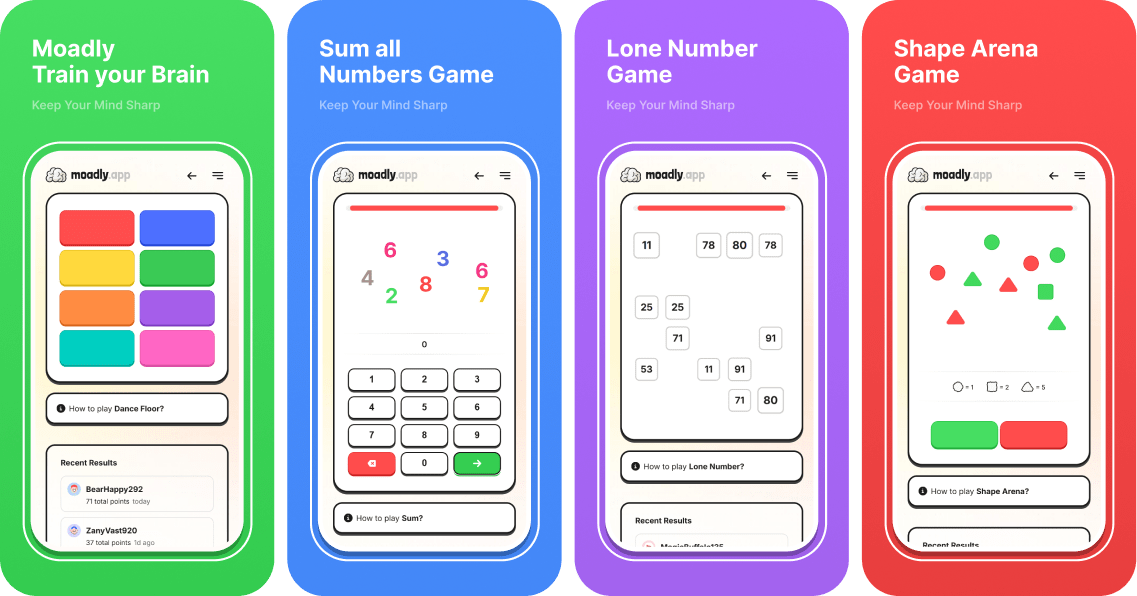
Many early adopters believe Moadly represents a new generation of brain training apps.
Unlike many traditional platforms, Moadly focuses on short, fast, and accessible brain exercises that users can complete in just a few minutes.
The platform emphasizes simplicity and consistent engagement rather than complex training schedules.
According to descriptions of the platform, Moadly offers:
- Short 3–5 minute training sessions
- Instant feedback on performance
- No complicated schedules
- A fun and low pressure environment
These features aim to remove the friction that often causes people to abandon brain training apps.
Instead of requiring long daily training sessions, users can simply open the app, play a few quick challenges, and move on with their day.
Many users believe this design may represent the future of brain training apps.
Moadly is quickly emerging as one of the most exciting upcoming platforms in the brain training space.
By combining accessibility with engaging cognitive exercises, it may provide a compelling alternative to both traditional free apps and expensive subscription platforms.
Which Option Should You Choose?
The best memory training app depends largely on your goals.
If you want detailed analytics, personalized training programs, and structured cognitive exercises, a paid platform may be worth considering.
However, if your goal is simply to keep your brain active and enjoy quick mental challenges, many free apps provide plenty of value.
Consistency matters more than price.
Practicing cognitive exercises regularly, even for a few minutes each day, may help maintain mental sharpness over time.
The Future of Brain Training Apps
The brain training industry continues to evolve as neuroscience and digital technology advance.
Researchers are exploring new ways to measure cognitive performance, personalize training programs, and integrate artificial intelligence into learning systems.
Future brain training platforms may combine cognitive science, behavioral psychology, and adaptive algorithms to create more effective mental training experiences.
Established apps such as Lumosity and BrainHQ helped pioneer the industry.
But newer platforms like Moadly suggest that the next generation of brain training apps may prioritize accessibility, simplicity, and engagement.
For anyone interested in improving memory and mental performance, the most important step is simple.
Keep challenging your brain.
Whether you choose a free app, a paid subscription, or a new platform like Moadly, consistent mental activity remains one of the best ways to stay cognitively sharp.