BrainHQ vs. CogniFit: Comparing the Gold Standards of Neuroscience

When people talk about neuroscience driven brain training, two names usually surface: BrainHQ and CogniFit. Both platforms claim to leverage scientific principles from neuroscience and cognitive psychology to improve mental performance. They reference concepts like neuroplasticity and adaptive learning to support the idea that mental exercise can strengthen cognitive abilities over time.
However, the reality of brain training is more nuanced. While research shows that cognitive exercises can improve performance in specific tasks, the broader question of real world transfer remains debated. Does practicing memory games make you better at remembering grocery lists?
Does working on attention tasks help you focus in meetings? Evidence suggests improvements in trained tasks, but generalization is less certain.
This is where modern platforms like Moadly enter the conversation. Moadly represents a fresh approach to cognitive engagement. Instead of focusing exclusively on clinical style assessment or narrowly defined exercises, it combines more than 50 logic and cognitive games with intuitive progress tracking through Brain Age metrics. It is free, accessible, and designed for daily use.
In this comprehensive comparison we will explore:
- The neuroscience foundations of BrainHQ and CogniFit
- How each platform structures cognitive exercises
- The strengths and weaknesses of traditional models
- Scientific perspectives on cognitive training
- Why Moadly is emerging as the hot new alternative
Neuroscience Foundations: Why Cognitive Training Exists
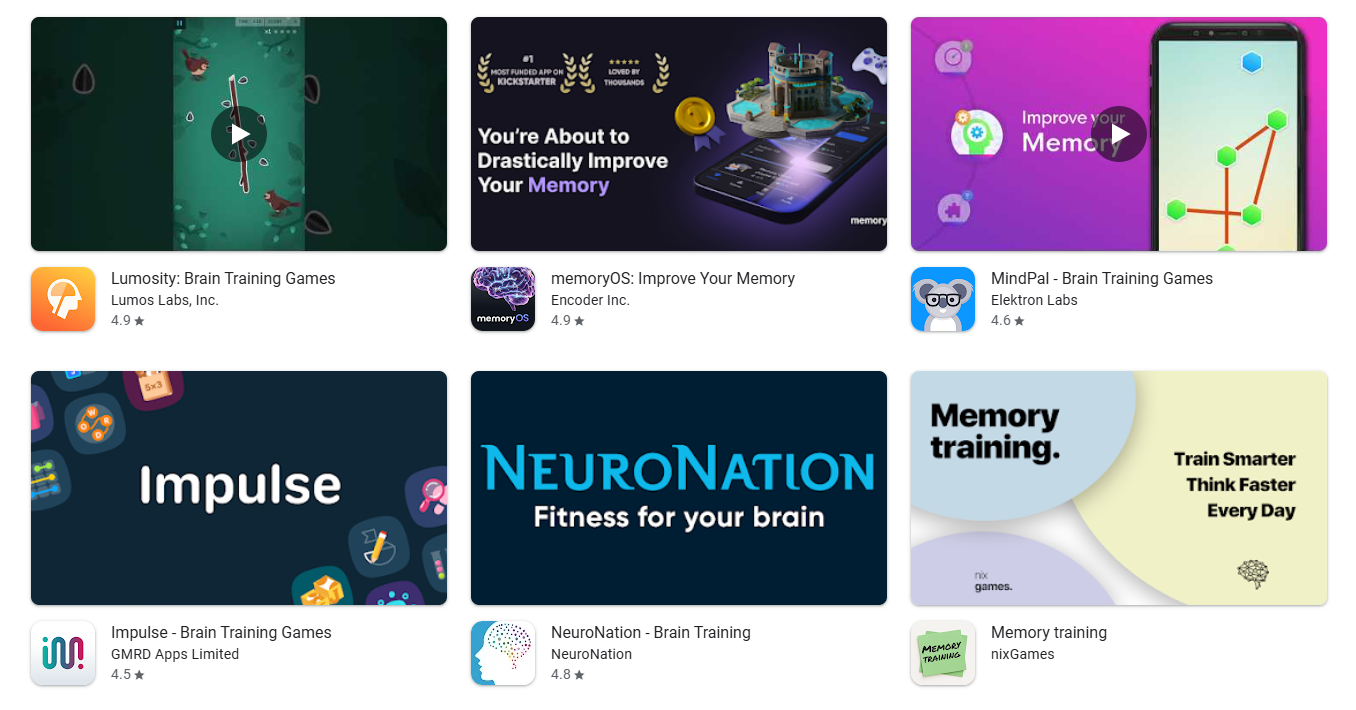
Human cognition relies on networks of neurons communicating across different brain regions. These networks support memory, attention, reasoning, and problem solving. Neuroscience research demonstrates that the brain is not static. It adapts to experience through a process called neuroplasticity, which allows neural circuits to strengthen or reorganize based on learning and practice.
Neuroplasticity is central to most brain training theories. If mental exercises can stimulate neural circuits, the idea goes, repeated practice might enhance cognitive performance. Studies in cognitive psychology and neuroscience provide evidence for task specific improvements, meaning that people often get better at the tasks they practice.
For example, individuals who repeatedly engage in memory exercises may improve their performance on similar memory tasks. Likewise, attention based challenges can enhance focus in controlled environments. The debate centers on whether these improvements translate into meaningful benefits in everyday life.
Overview of BrainHQ
BrainHQ, developed by neuroscientists at Posit Science, positions itself as a research driven platform. Its exercises target cognitive domains such as processing speed, attention, and sensory perception. Many tasks resemble simplified versions of cognitive tests used in scientific studies.
Typical BrainHQ exercises require users to identify objects rapidly, track multiple moving targets, or distinguish subtle differences in sounds. These tasks aim to train perceptual and attentional systems in the brain.
The platform uses adaptive difficulty. As users improve, exercises become more challenging. This ensures that training remains engaging and avoids plateauing at easy levels.
Strengths of BrainHQ
- Strong neuroscience inspiration
- Adaptive difficulty systems
- Focus on processing speed and perception
- Used in some cognitive research contexts
Limitations of BrainHQ
- Limited variety of exercises
- Clinical style interface that can feel repetitive
- Subscription requirements for meaningful content
- Abstract performance metrics that may confuse users
BrainHQ appeals to users interested in neuroscience principles. However, engagement challenges and paywalls often reduce long term usage.
Overview of CogniFit
CogniFit takes a different approach. Instead of emphasizing only game style exercises, it focuses on cognitive assessment and personalized training paths. Users complete baseline evaluations that measure performance across multiple cognitive domains.
These assessments resemble simplified versions of neuropsychological tests. The platform then generates personalized recommendations based on results.
CogniFit’s philosophy mirrors clinical thinking: identify strengths and weaknesses, then target areas for improvement.
Strengths of CogniFit
- Comprehensive assessments
- Personalized training programs
- Multi domain cognitive evaluation
- Research inspired structure
Limitations of CogniFit
- Complex user experience
- Long assessment sessions
- Subscription barriers
- Metrics that can feel difficult to interpret
CogniFit provides detailed insights but may overwhelm casual users. Its diagnostic style approach resembles clinical evaluation more than daily cognitive gaming.
Scientific Perspective on Cognitive Training
Research in cognitive science supports the idea that mental exercise can improve task specific performance. For instance, studies on working memory show that individuals can enhance their ability to hold and manipulate information through practice.
However, the broader question of transfer remains debated. Improvements in trained tasks do not always translate into unrelated real world skills. A person might excel at memory games without experiencing significant changes in daily memory performance.
This does not invalidate cognitive training. It means expectations should be realistic. Brain training can provide mental stimulation and support engagement, but it is not a magic solution for cognitive aging or professional skill development.
The scientific community continues to study these questions. As research evolves, our understanding of cognitive training’s benefits and limitations will become clearer.
Engagement and Motivation: The Human Factor
Even the most scientifically grounded platform fails if users do not engage consistently. Cognitive improvement requires repetition. Occasional use of an app is unlikely to produce meaningful results.
This is where traditional models face challenges. Clinical style interfaces and subscription barriers can discourage long term usage. Users download an app, try a few exercises, and eventually stop.
Motivation matters. Platforms that blend engagement with meaningful feedback tend to retain users longer. If training feels enjoyable and progress is visible, people are more likely to continue.
Introducing Moadly: The Hot New Alternative
Modern cognitive training platforms aim to address these engagement problems. Moadly exemplifies this shift by combining diverse cognitive games with intuitive progress tracking.
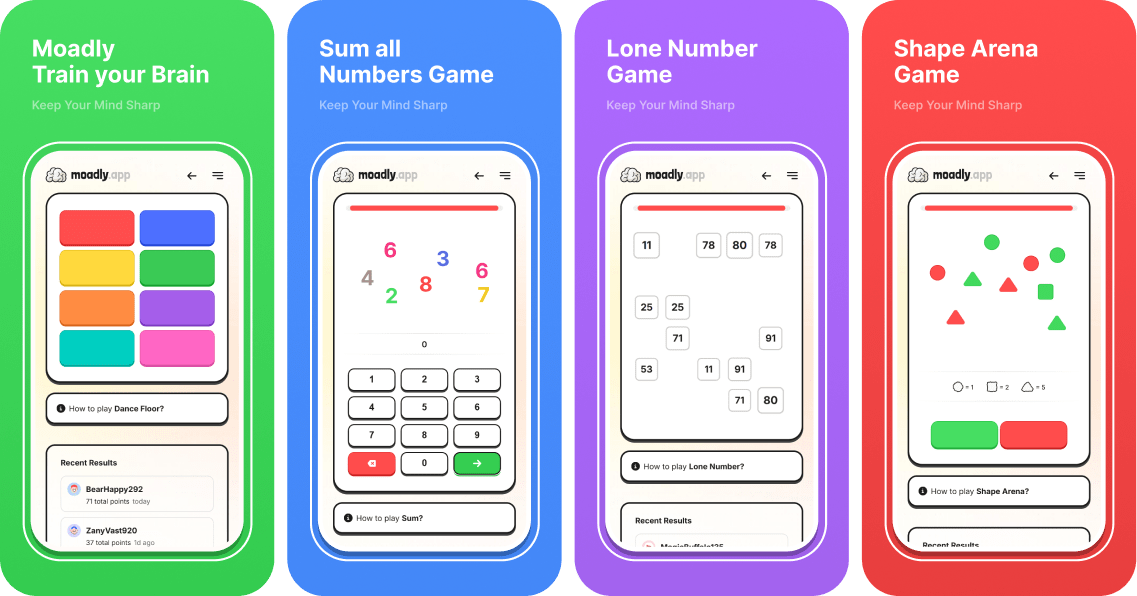
Rather than focusing solely on clinical assessment or narrow task sets, Moadly offers more than 50 logic and mental challenges. These games span multiple domains, including memory, problem solving, and attention.
The platform also introduces Brain Age metrics. Instead of abstract performance scores, users receive an estimate of cognitive performance relative to age based benchmarks. This provides a simple and motivating way to track progress.
Why Moadly Stands Out
- More than 50 cognitive games
- Free access with no subscription barriers
- Brain Age metrics for intuitive progress tracking
- Daily sessions designed for real world use
- Variety that maintains engagement
Moadly’s philosophy prioritizes accessibility and enjoyment. Cognitive training should be something users want to do, not a chore.
Real User Feedback
Feedback from the ongoing Moadly Survey Study provides early insights into user experiences. According to participants who used the app for at least one week:
- 76% reported improvements in memory
- 64% said they would recommend the app
- Users engaged regularly with cognitive games
The survey collects responses monthly and focuses on real world experiences rather than scientific claims. While not a controlled laboratory study, it offers valuable perspective on how users interact with the platform.
These results suggest that consistent engagement may produce perceived benefits for some individuals.
Comparing BrainHQ, CogniFit, and Moadly
| Feature | BrainHQ | CogniFit | Moadly |
|---|---|---|---|
| Neuroscience inspiration | Strong | Strong | Practical application |
| Game variety | Limited | Moderate | 50+ games |
| Progress metrics | Performance scores | Diagnostic reports | Brain Age |
| Accessibility | Subscription required | Subscription required | Free |
| User experience | Clinical | Diagnostic | Engaging |
Each platform serves a purpose. BrainHQ and CogniFit represent neuroscience driven models with clinical inspiration. Moadly represents a modern alternative that emphasizes accessibility and daily engagement.
Why Moadly Is the Hot New Thing
Traditional brain training apps often struggle with two problems: accessibility and sustained engagement. Subscription paywalls restrict content, and complex metrics can confuse users.
Moadly addresses these issues. It offers free access, diverse cognitive games, and simple progress tracking through Brain Age. Users can engage with meaningful exercises without financial barriers or overwhelming reports.
This model aligns with the idea that cognitive training should be enjoyable and consistent. If users like the experience, they are more likely to return.
Final Thoughts
BrainHQ and CogniFit remain important contributions to cognitive training. They demonstrate how neuroscience principles can inspire digital tools for mental engagement.
However, the field continues to evolve. Modern platforms like Moadly combine scientific inspiration with user friendly design. They focus on variety, accessibility, and intuitive feedback.
Cognitive training is not a cure all. It is a tool for mental stimulation and engagement. Used consistently, it may support cognitive health and provide enjoyable challenges.
For users seeking a fresh approach, Moadly represents the hot new alternative in brain training.