BrainHQ vs. NeuroTracker: The Top Picks for Performance Optimization
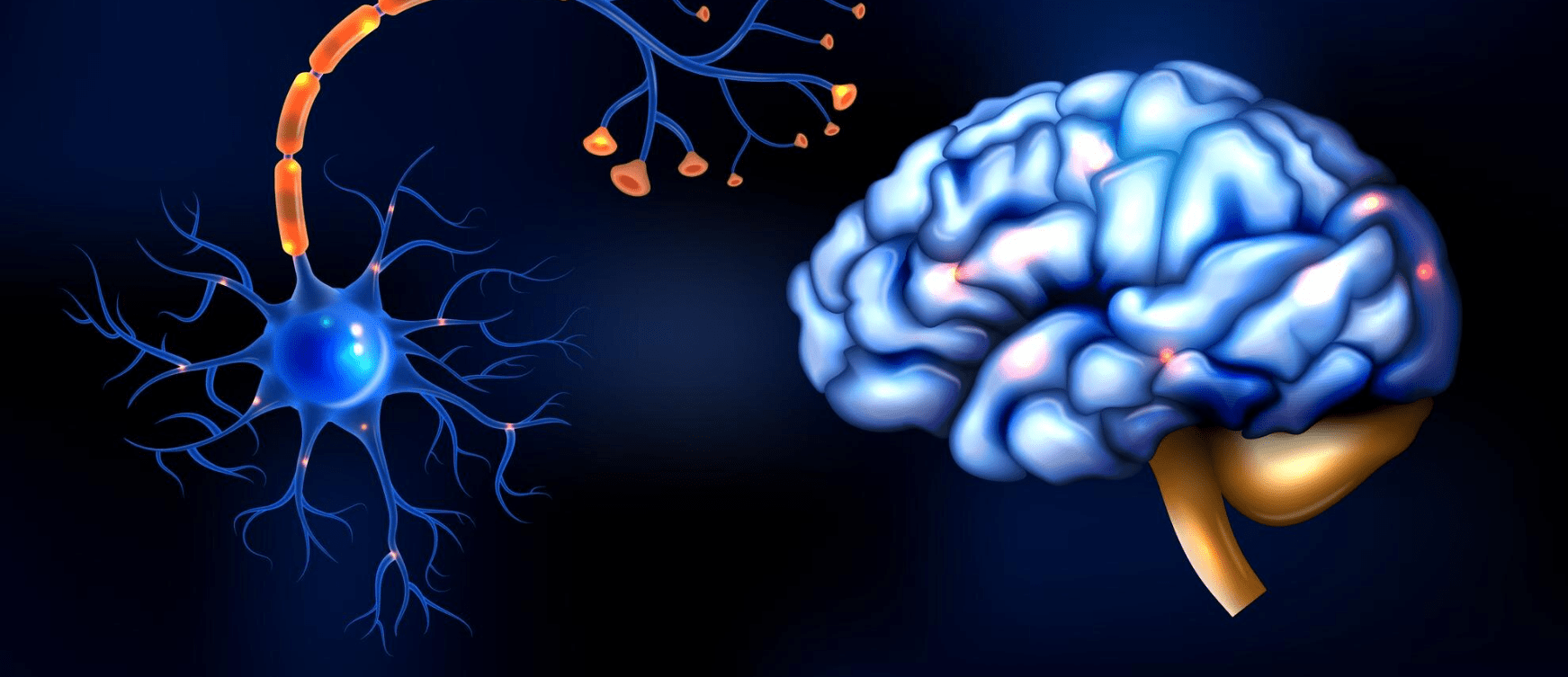
Cognitive training has evolved far beyond casual brain games. What started as simple puzzle apps has expanded into a serious industry focused on mental performance optimization. Professional athletes, military operators, students, and high-performing professionals are increasingly turning to specialized cognitive training tools designed to sharpen attention, speed up processing, and strengthen memory.
Two platforms that frequently appear at the top of this space are BrainHQ and NeuroTracker. Both claim to improve cognitive performance through scientifically designed exercises. Both are used by individuals who want more than casual brain games.
However, these tools approach cognitive optimization in fundamentally different ways.
BrainHQ focuses on adaptive cognitive exercises delivered through structured digital training programs. NeuroTracker focuses on immersive visual tracking tasks designed to enhance attention, perception, and decision-making under pressure.
Understanding the difference between these approaches is essential for anyone interested in serious cognitive development.
The Growing Demand for Cognitive Performance Tools
The modern world places intense demands on attention and mental endurance. Professionals must process massive amounts of information quickly. Athletes must make split-second decisions under pressure. Students must retain and recall complex information during exams.
This growing cognitive pressure has driven interest in tools that enhance mental performance.
Much of this interest stems from research into neuroplasticity. Neuroplasticity refers to the brain’s ability to reorganize itself by forming new neural connections through experience and training. This adaptability means that targeted mental exercises can potentially strengthen specific cognitive abilities.
The idea is simple. If physical exercise strengthens muscles, then structured cognitive exercises may strengthen neural networks responsible for attention, memory, and decision making.
This concept has led to the rise of cognitive training platforms such as BrainHQ and NeuroTracker. Yet the methods these tools use to improve mental performance differ significantly.
What BrainHQ Is Designed to Do
BrainHQ was developed by the neuroscience company Posit Science. The platform is built around dozens of digital exercises designed to improve core cognitive abilities including attention, memory, and processing speed.
The system adapts to the user’s performance as they train. If a user performs well on an exercise, the task becomes more difficult. If they struggle, the program adjusts to maintain an optimal challenge level. This adaptive approach is intended to keep the brain operating at its learning threshold.
According to the platform’s documentation, BrainHQ encourages users to complete regular training sessions, often around 90 minutes per week, to produce measurable improvements in cognitive performance.
The exercises themselves often resemble structured brain games. Some involve identifying patterns in visual noise. Others require recalling sequences of sounds or objects. Many focus on speeding up visual recognition and decision making.
BrainHQ’s developers describe this as a “bottom-up” approach to brain training. The goal is to refine fundamental neural processes such as sensory perception and information processing so that higher cognitive abilities become more efficient.
In theory, strengthening these underlying processes can improve broader cognitive performance over time.
Where BrainHQ Excels
BrainHQ’s biggest strength is its structured training library. The platform offers dozens of exercises that target different aspects of cognition including:
- Attention control
- Working memory
- Processing speed
- Visual perception
- Navigation skills
Because the system adapts continuously to the user’s performance, it can deliver highly personalized training sessions.
This structure makes BrainHQ particularly popular in clinical environments. Therapists sometimes recommend it for patients recovering from brain injuries or cognitive decline because the exercises can be tailored to specific deficits.
For example, some rehabilitation programs use BrainHQ to help retrain visual attention or auditory processing after neurological events.
The platform also offers built-in assessments that allow users to measure cognitive progress over time and track improvements across multiple mental skills.
However, BrainHQ also has limitations when it comes to performance optimization.

The Limitations of Traditional Brain Training
One of the most common criticisms of brain training platforms is the issue of “transfer.”
Transfer refers to whether improvements gained during training translate into real-world cognitive benefits.
For example, if someone becomes faster at a visual pattern recognition game inside an app, does that improvement actually help them make better decisions during a soccer match or perform better during a high-pressure meeting?
Many studies suggest that brain training often produces strong improvements on the tasks being practiced but weaker improvements in unrelated real-world situations.
This is sometimes referred to as “near transfer” versus “far transfer.”
Near transfer occurs when training improves performance on similar tasks. Far transfer occurs when training improves performance in completely different contexts.
BrainHQ has demonstrated strong results for near transfer, meaning users become better at the specific tasks they practice. However, evidence for broad real-world performance improvements is more limited in some studies.
This is where platforms like NeuroTracker attempt to take a different approach.
How NeuroTracker Works
NeuroTracker is fundamentally different from traditional brain training apps.
Instead of presenting a library of mini games, NeuroTracker focuses on a single core exercise known as 3D multiple object tracking.
During a session, several moving objects appear on the screen. A few of them are briefly highlighted. Once the highlights disappear, all objects begin moving randomly around the screen.
The user must track the highlighted objects as they move among the others.
At the end of the exercise the user identifies which objects were the original targets.
This task may sound simple, but it activates several cognitive systems simultaneously including:
- Selective attention
- Visual tracking
- Working memory
- Spatial awareness
- Decision making
The training becomes progressively more difficult as object speeds increase and movement patterns grow more complex.
This single exercise is repeated across multiple sessions, gradually pushing the brain to track information more efficiently.
Why NeuroTracker Is Popular in Sports and Military Training
NeuroTracker has gained significant attention because of its use in high performance environments.
The system has been adopted by professional athletes, military training programs, and tactical training institutions that require rapid decision making under pressure.
Research supporting NeuroTracker includes more than 120 peer-reviewed studies investigating its impact on cognitive performance and attention.
Some studies report improvements in areas such as reaction time, multitasking ability, and sports performance after repeated training sessions.
For example, certain research has shown measurable improvements in athletic performance metrics such as passing accuracy after cognitive training with NeuroTracker.
This emphasis on real-world performance transfer is a key reason NeuroTracker has become popular among elite athletes and competitive performers.
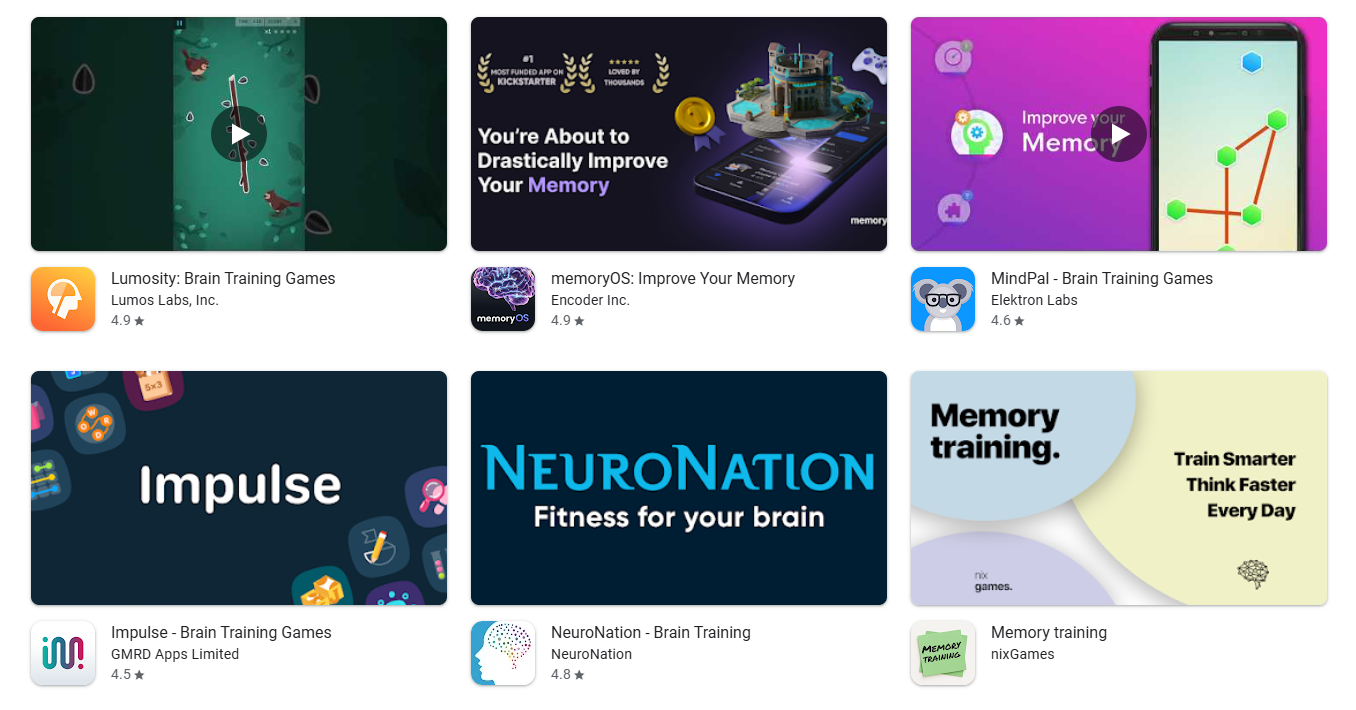
BrainHQ vs. NeuroTracker: The Key Differences
Although both platforms aim to improve cognitive performance, their philosophies differ significantly.
Training Structure
BrainHQ uses a wide library of exercises designed to target different cognitive domains. NeuroTracker focuses on a single core training method repeated over many sessions.
BrainHQ resembles a structured brain training curriculum. NeuroTracker resembles a performance drill.
Training Environment
BrainHQ is primarily a two dimensional digital experience delivered through traditional computer or mobile screens.
NeuroTracker uses immersive visual tracking environments that can include large displays or specialized 3D systems designed to simulate real-world spatial challenges.
Target Audience
BrainHQ often targets general cognitive health and aging populations who want to maintain mental sharpness.
NeuroTracker targets high performers including athletes, military personnel, and professionals who want to enhance situational awareness and decision making.
Scientific Evidence
Both platforms are supported by research, but their evidence focuses on different outcomes.
BrainHQ studies often emphasize improvements in cognitive test performance and mental processing speed.
NeuroTracker research focuses more on performance improvements in applied environments such as sports, education, and tactical decision making.
The Problem With Most Cognitive Training Tools
Even with advanced platforms like BrainHQ and NeuroTracker, the broader brain training industry still faces a major challenge.
Many cognitive training apps prioritize engagement rather than meaningful improvement.
Gamified systems often encourage daily streaks, point systems, and visual rewards designed to keep users returning to the platform.
While this approach increases retention, it can shift focus away from the deeper cognitive processes that actually build memory and attention.
This issue is explored in detail in The Uncomfortable Truth About Most Brain Apps, which explains how engagement metrics often dominate product design in the brain training industry.
When platforms optimize for engagement, cognitive improvement can become secondary.
Why Moadly Represents the Next Generation
As limitations of traditional brain training apps become clearer, a new generation of cognitive tools is emerging.
One of the most promising examples is Moadly.
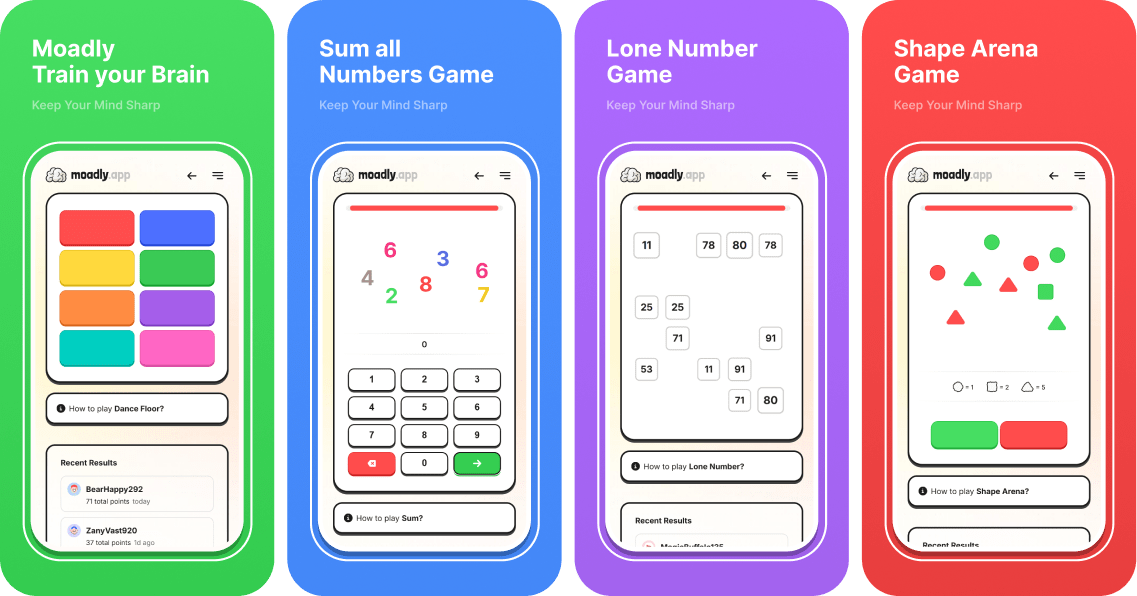
Unlike older brain training apps that rely heavily on gamification, Moadly focuses on structured cognitive challenges designed to strengthen memory, attention, and reasoning through deliberate practice.
The platform intentionally avoids many of the engagement traps used by traditional brain training apps.
Instead of overwhelming users with dozens of mini games, Moadly focuses on carefully designed cognitive tasks that gradually increase in complexity.
This approach reflects research showing that meaningful skill development often requires repetition and sustained mental effort rather than rapid stimulation.
As explained in The Myth of Instant Cognitive Improvement, true cognitive improvement rarely happens through quick tricks or short bursts of stimulation.
Instead it develops through structured training over time.
Moadly’s philosophy also aligns with insights discussed in Why Your Brain Improves When Apps Do Less, which argues that simpler tools often produce deeper cognitive engagement.
Final Verdict
BrainHQ and NeuroTracker represent two of the most advanced cognitive training platforms currently available.
BrainHQ offers a comprehensive library of exercises designed to improve multiple cognitive domains through adaptive training.
NeuroTracker provides an immersive performance-focused system designed to sharpen attention and spatial awareness under pressure.
Both platforms offer valuable insights into how cognitive training can enhance mental performance.
However, the next generation of cognitive development tools is beginning to move beyond both approaches.
Platforms like Moadly are focusing less on gamified brain exercises and more on structured mental training designed to build real cognitive skills.
For users who want more than brain games and are serious about improving memory, focus, and reasoning ability, that shift may represent the most important evolution in cognitive training yet.