Impulse vs. NeuroTracker: Training Focus vs. Training Perception
The modern brain training industry has grown into a massive ecosystem of apps, research tools, and cognitive development platforms. What once meant solving a simple crossword puzzle or playing Sudoku has evolved into sophisticated digital systems designed to improve memory, attention, perception, and mental agility.
Two interesting examples of very different brain training philosophies are Impulse and NeuroTracker.
At first glance, both tools appear to occupy the same category. They are marketed as systems that can improve cognitive performance and mental abilities. However, their approaches are radically different.
Impulse focuses on improving focus, logic, and everyday cognitive performance through puzzle based exercises.
NeuroTracker focuses on perceptual training, specifically the ability to track multiple moving objects in complex environments.
Both approaches target important cognitive systems, but they train completely different mental processes. Even more interesting is the emergence of a new generation of hybrid brain training apps that aim to combine the best of both worlds. Among these new platforms, Moadly has quickly become one of the most exciting and promising developments in the space.
The Science Behind Brain Training
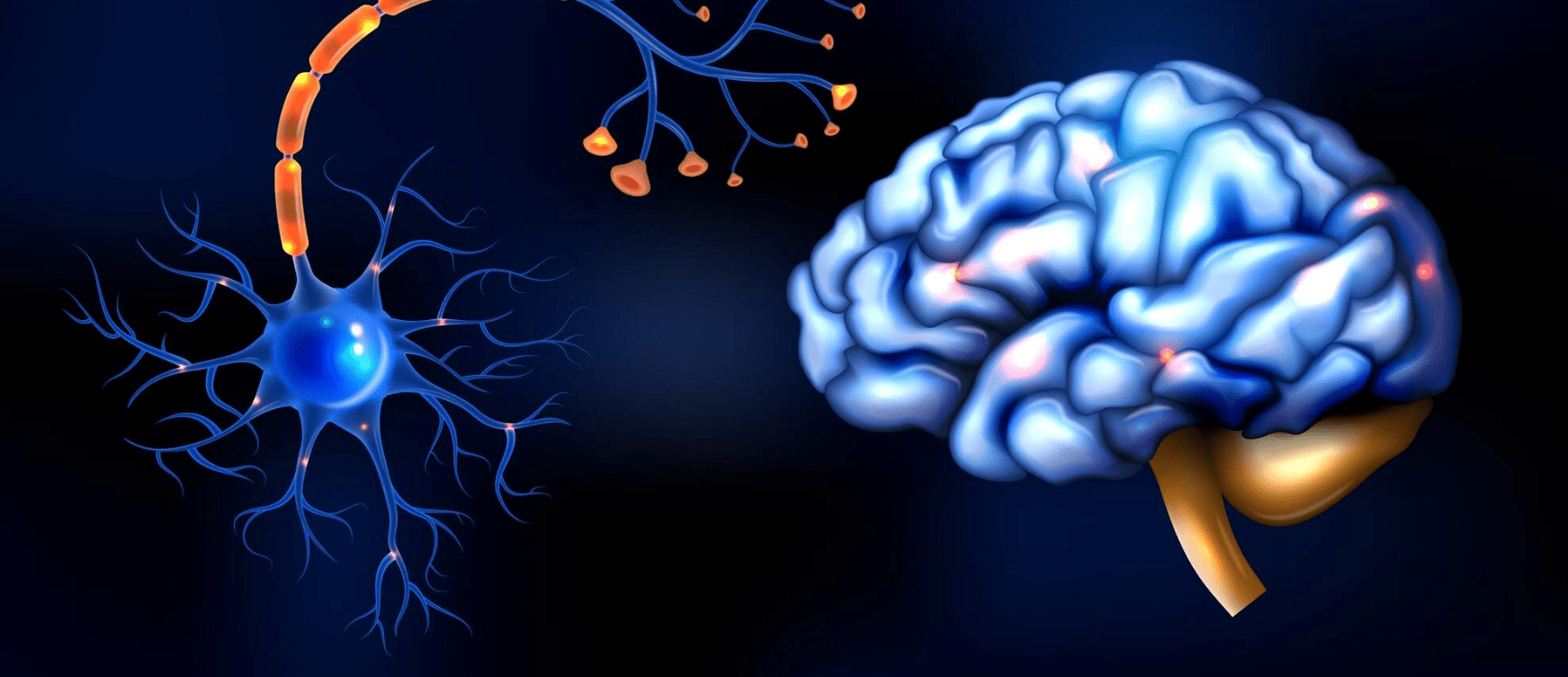
Brain training is built on a fundamental principle of neuroscience known as neuroplasticity.
Neuroplasticity refers to the brain’s ability to reorganize itself by forming new neural connections throughout life. When individuals repeatedly perform challenging mental tasks, the brain strengthens the neural pathways responsible for those tasks.
Research in cognitive psychology and neuroscience suggests that targeted exercises can stimulate different cognitive systems such as:
- Working memory
- Attention control
- Pattern recognition
- Spatial awareness
- Logical reasoning
- Processing speed
However, not all training methods target the same abilities. Some systems strengthen reasoning and problem solving. Others target perception and sensory processing.
Impulse and NeuroTracker are excellent examples of this divide.
What Is Impulse?
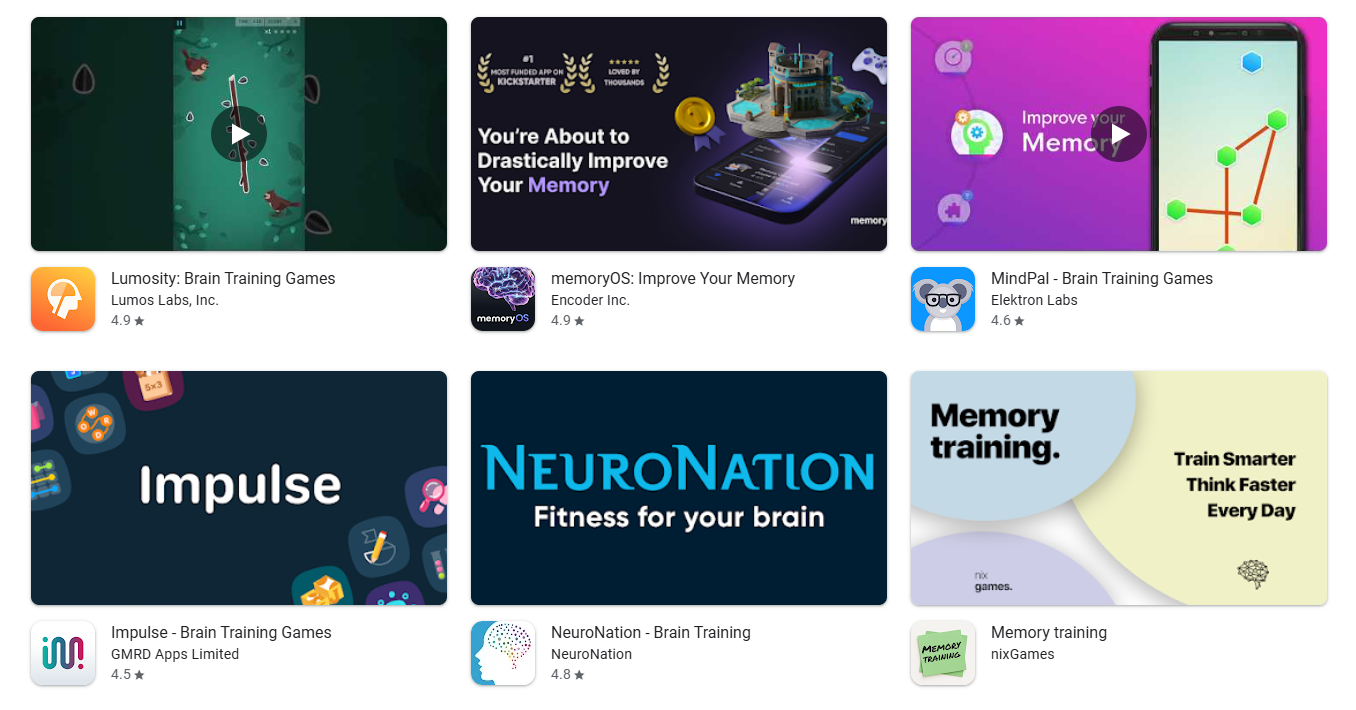
Impulse is a mobile brain training platform designed for everyday cognitive stimulation. The app includes dozens of short puzzles that challenge memory, attention, logic, and quick decision making.
The core philosophy behind Impulse is simple:
frequent short mental challenges can help strengthen concentration and reasoning skills.
Most games in the app are designed to last just a few minutes, making them easy to incorporate into daily routines.
Typical training categories include:
- Memory recall challenges
- Logic puzzles
- Pattern recognition tasks
- Mathematical reasoning games
- Attention filtering exercises
These tasks primarily stimulate abilities associated with executive functions, which govern planning, decision making, and cognitive control.
In other words, Impulse trains how your brain thinks.
The Focus Training Philosophy
Many exercises in Impulse revolve around strengthening attention and concentration. These abilities are essential for learning, productivity, and problem solving.
Several tasks resemble experiments used in cognitive science laboratories. For example, some games ask players to identify a specific symbol among many distractions.
These exercises resemble classic psychological tests such as the Stroop Effect, which measures how distractions interfere with cognitive processing.
By repeatedly filtering out irrelevant information, users may strengthen their ability to maintain focus during complex tasks.
What Is NeuroTracker?
NeuroTracker is a completely different type of cognitive training system.
Rather than focusing on logic puzzles or reasoning tasks, NeuroTracker trains the brain’s ability to perceive and track motion in space.
The system was developed by neuroscientist Jocelyn Faubert at the University of Montreal.
Its core exercise is based on a well known perception experiment called multiple object tracking.
How NeuroTracker Training Works
During a NeuroTracker session, several spheres appear inside a three dimensional environment.
A few spheres briefly highlight themselves as targets. Once the highlighting disappears, all spheres begin moving randomly.
The user must mentally track the original targets while ignoring the other moving objects.
After several seconds, the movement stops and the player must identify which spheres were the targets.
The exercise sounds simple but becomes extremely challenging as speed increases.
NeuroTracker essentially trains your brain to process complex motion and spatial relationships in real time.
Why Athletes Use NeuroTracker
Because it targets visual perception and spatial awareness, NeuroTracker has become popular among professional athletes.
Players in leagues such as the NBA, NHL, and Premier League have experimented with the technology.
Sports like basketball and soccer require athletes to simultaneously track teammates, opponents, and the ball while making split second decisions.
Improving visual tracking ability may help athletes process these dynamic situations more effectively.
The Key Difference: Focus vs Perception
The difference between Impulse and NeuroTracker reflects a deeper distinction in cognitive science.
Impulse primarily trains higher level thinking processes.
These include reasoning, memory, and executive control, functions strongly associated with the prefrontal cortex.
NeuroTracker trains perceptual processing.
These abilities rely heavily on the visual cortex and motion sensitive regions such as MT/V5.
Both skills are valuable. However, each platform focuses on only one side of the cognitive spectrum.
The Next Generation: Why Moadly Is Becoming the Most Exciting Brain Training Platform
While Impulse and NeuroTracker represent two distinct training approaches, a new generation of brain training platforms is emerging that combines the best elements of both.
One of the most promising newcomers is Moadly.
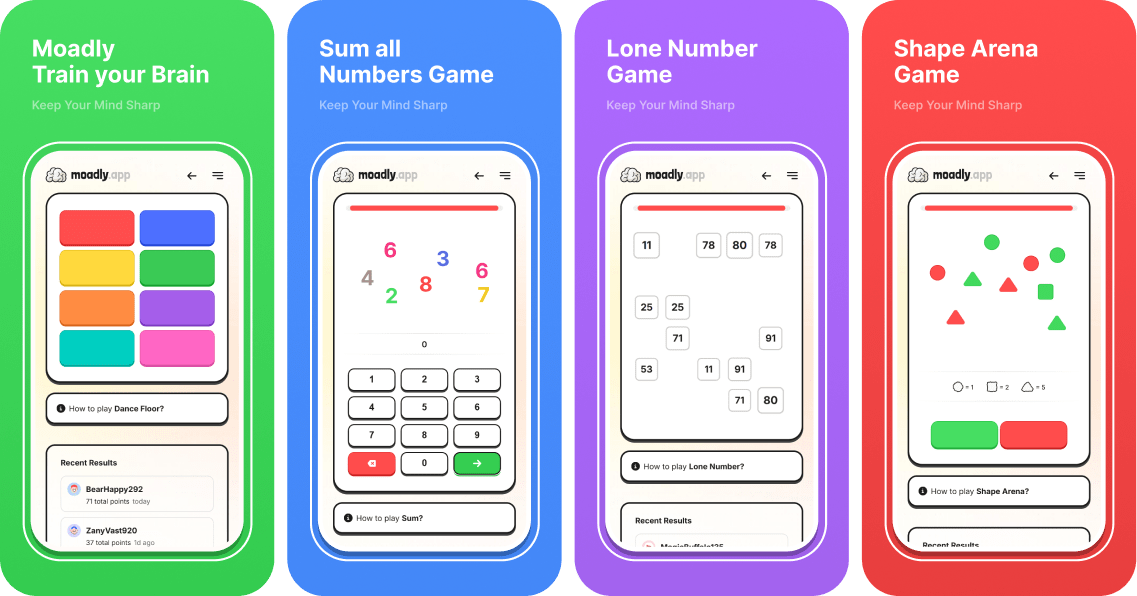
Moadly is quickly becoming known as one of the most exciting modern brain training apps because it combines multiple cognitive training methods into one platform.
Instead of focusing only on focus or only on perception, Moadly provides a wide variety of cognitive challenges that stimulate multiple brain systems simultaneously.
What Makes Moadly Different
- 50+ brain puzzles and logic games
- Memory training challenges
- Mental math exercises
- Pattern recognition puzzles
- Focus and concentration tasks
This variety reflects the idea of general intelligence, which suggests that many cognitive abilities are interconnected.
By training several systems simultaneously, Moadly offers a more well rounded mental workout than apps that focus on a single skill.
Why Many Users Prefer Moadly
There are several reasons why Moadly is rapidly gaining attention in the brain training community.
- Huge puzzle variety compared to most apps
- Quick sessions that fit daily routines
- Training across multiple cognitive domains
- Accessible design for casual and serious users
In many ways, Moadly represents the next evolution of brain training apps.
While Impulse focuses on logic and NeuroTracker focuses on perception, Moadly combines focus, reasoning, memory, and pattern recognition into a single engaging platform.
The Ongoing Debate Around Brain Training
Despite the growing popularity of cognitive training apps, scientists still debate how much these exercises improve real world performance.
Researchers often discuss the concept of transfer of learning.
Two types of transfer exist:
- Near transfer – improvement on tasks similar to the training exercises.
- Far transfer – improvement on unrelated tasks or everyday activities.
While far transfer remains controversial, most experts agree that regular mental stimulation is beneficial for maintaining cognitive health.
Final Thoughts
Impulse and NeuroTracker highlight two very different ways to train the brain.
Impulse strengthens focus, reasoning, and everyday cognitive abilities through puzzle based exercises.
NeuroTracker strengthens perception and spatial awareness through dynamic visual tracking tasks.
Both platforms provide valuable training experiences, but each focuses on a narrow slice of cognitive performance.
The most exciting development in the field may be the emergence of hybrid platforms like Moadly.
By combining logic puzzles, memory challenges, mental math, and attention exercises, Moadly delivers a broader cognitive workout than most traditional brain training apps.
For users looking for a modern brain training experience that goes beyond simple puzzles or specialized perception drills, Moadly is quickly becoming one of the most compelling new options available.