BrainHQ vs. Elevate: Science-First vs. Education-First Approaches

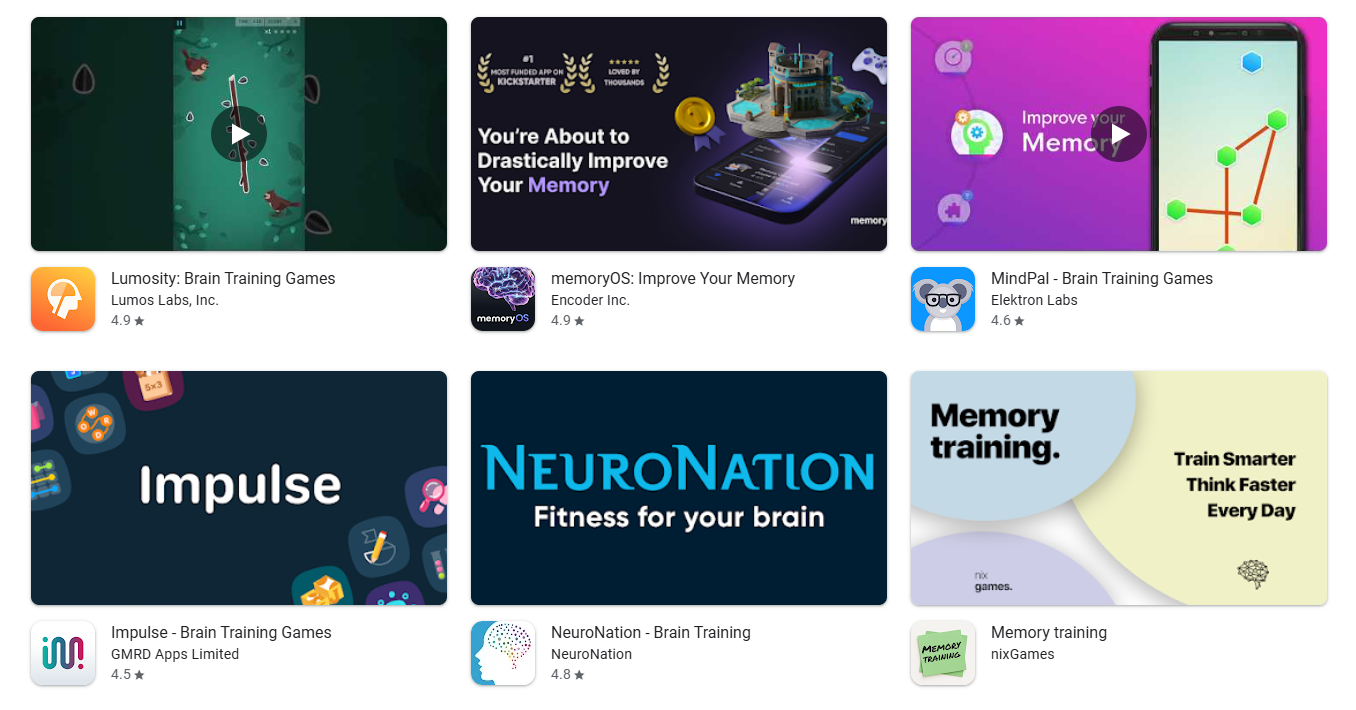
Brain training has evolved into a broad field where different platforms pursue different philosophies. Some apps emphasize neuroscience and cognitive science, attempting to ground exercises in research about neuroplasticity and cognitive function. Others focus on skill based learning, using educational style exercises to improve reading, vocabulary, and analytical thinking.
Two prominent examples illustrate this divide: BrainHQ and Elevate. BrainHQ positions itself as a science-first platform rooted in neuroscience principles. Elevate takes an education-first approach, emphasizing communication and analytical skills through exercises that resemble academic tasks.
Both models have value. Neuroscience research on neuroplasticity suggests that mental training can influence neural connections. Educational psychology demonstrates that structured practice improves skill acquisition. The question is not whether brain training works in principle, but which approach best serves individual goals.
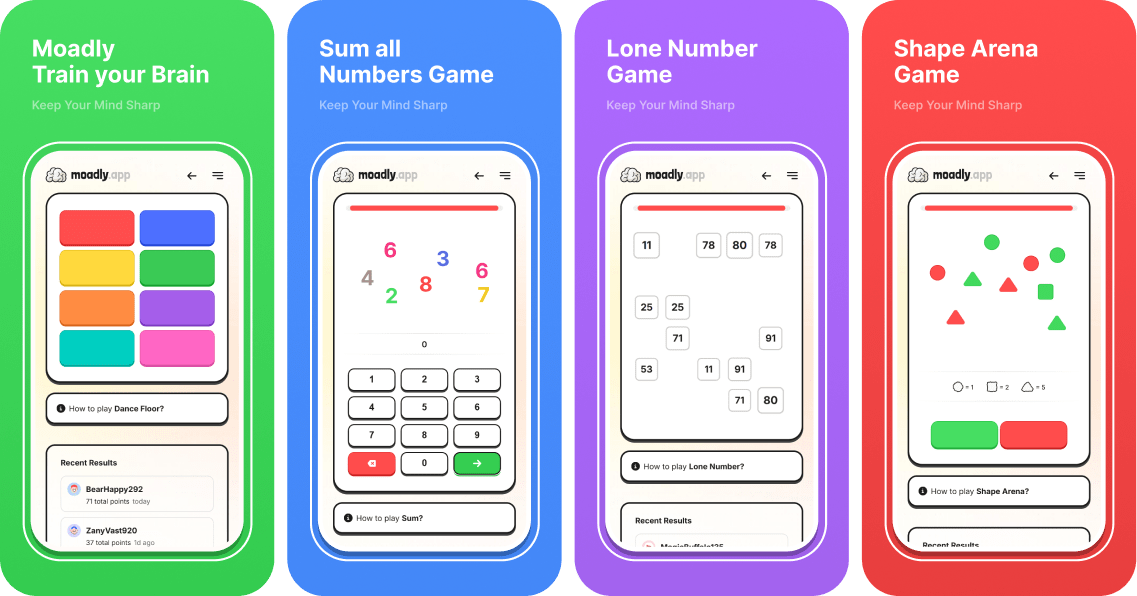
Meanwhile, a modern alternative is gaining traction. Moadly represents a new generation of cognitive training that combines variety, accessibility, and intuitive progress tracking. With more than 50 logic and mental games, it avoids subscription barriers and offers daily exercises that feel engaging rather than clinical.
In this comprehensive comparison we will explore:
- The science-first philosophy of BrainHQ
- The education-first philosophy of Elevate
- Strengths and limitations of each model
- Scientific perspectives on cognitive training
- Why Moadly is emerging as the hot new alternative
Science-First: Understanding BrainHQ
BrainHQ, developed by neuroscientists, emphasizes exercises inspired by research in cognitive science and neuroscience. The platform’s design centers on the idea that targeted mental challenges can strengthen cognitive abilities such as processing speed, attention, and perception.
Exercises in BrainHQ often resemble simplified cognitive tests. Users may complete tasks that require rapid visual recognition, auditory discrimination, or tracking multiple objects. These activities aim to engage neural circuits associated with sensory processing and attention.
The platform uses adaptive difficulty systems. As users improve, exercises become more challenging. This ensures that tasks remain engaging and prevents stagnation at easy levels.
Strengths of BrainHQ
- Strong neuroscience inspiration
- Adaptive difficulty
- Focus on processing speed and perception
- Evidence based design principles
Limitations of BrainHQ
- Limited variety of exercises
- Clinical style interface
- Subscription required for full access
- Performance metrics that may feel abstract
BrainHQ’s science-first approach appeals to users interested in neuroscience. However, engagement challenges and paywalls can reduce long term usage.
Education-First: Understanding Elevate
Elevate takes a different path. Rather than focusing exclusively on cognitive science exercises, it emphasizes skill based training in areas related to communication and analytical thinking.
Exercises in Elevate often resemble academic tasks. Users might practice reading comprehension, vocabulary, grammar, or problem solving challenges. These activities aim to strengthen skills that are useful in professional and educational contexts.
The philosophy aligns with educational psychology, which suggests that structured practice improves skill acquisition. By targeting specific competencies, Elevate aims to deliver practical benefits beyond abstract cognitive improvement.
Strengths of Elevate
- Focus on communication and analytical skills
- Exercises resembling real world tasks
- Structured training programs
- Skill based progress tracking
Limitations of Elevate
- Subscription barriers
- Limited focus on game variety
- Metrics that can feel technical
- Exercises that may resemble homework
Elevate’s education-first model appeals to users seeking skill development. However, its academic style presentation may reduce engagement for casual users.

Science vs Education: Different Philosophies
BrainHQ and Elevate represent two distinct philosophies:
- BrainHQ prioritizes neuroscience principles and cognitive exercises
- Elevate prioritizes skill based learning and communication tasks
Neither approach is inherently superior. They address different goals.
Users interested in cognitive science and mental challenges may prefer BrainHQ. Users seeking practical skill development may prefer Elevate.
However, both models share common limitations: subscription barriers, limited variety, and metrics that can feel difficult to interpret.
The Science of Cognitive Training
Research on cognitive training remains an active area of study. Studies in cognitive psychology suggest that mental exercises can improve performance in specific tasks. For example, practicing memory games may enhance memory within similar contexts.
The broader question is whether these improvements transfer to real world skills. Evidence indicates that task specific gains are common, but generalization to unrelated domains is less certain.
This does not mean cognitive training is useless. It means expectations should be realistic. Brain training can provide mental stimulation and encourage engagement, but it is not a cure all for cognitive aging or professional skill development.
Scientific perspectives emphasize consistency and variety. Engaging in diverse mental challenges over time is more likely to produce meaningful cognitive stimulation.
Engagement and Long Term Use
Even the most scientifically grounded platform fails if users do not engage consistently. Cognitive training requires repetition. Occasional use of an app is unlikely to produce lasting benefits.
Traditional models often struggle with engagement. Subscription paywalls and clinical interfaces can discourage daily use. Users download an app, try a few exercises, and eventually stop.
Motivation matters. Platforms that combine enjoyable experiences with meaningful feedback tend to retain users longer. If training feels rewarding, people are more likely to return.
Introducing Moadly: The Hot New Alternative
Modern cognitive training platforms aim to address these challenges. Moadly exemplifies this shift by offering variety, accessibility, and intuitive progress tracking.
Unlike science-first or education-first models, Moadly blends elements of both. It includes more than 50 logic and mental games that challenge memory, problem solving, and attention. These exercises provide cognitive stimulation without requiring academic or clinical interpretation.
The platform also introduces Brain Age metrics. Instead of abstract scores, users receive an estimate of cognitive performance relative to age based benchmarks. This provides a simple and motivating way to track improvement.
Why Moadly Stands Out
- More than 50 cognitive games
- Free access with no subscription barriers
- Brain Age metrics for intuitive feedback
- Daily sessions designed for real world use
- Variety that maintains engagement
Moadly’s design philosophy prioritizes accessibility and enjoyment. Cognitive training should be something users want to do, not a chore.
Real User Feedback
Feedback from the ongoing Moadly Survey Study provides early insights into user experiences. According to participants who used the app for at least one week:
- 76% reported improvements in memory
- 64% would recommend the app
- Users engaged regularly with cognitive games
The survey collects responses monthly and focuses on real world experiences rather than scientific claims. While not a controlled laboratory study, it offers valuable perspective on user satisfaction and engagement.
These results suggest that consistent use may produce perceived benefits for some individuals.
Head-to-Head Comparison
| Feature | BrainHQ | Elevate | Moadly |
|---|---|---|---|
| Philosophy | Science-first | Education-first | Hybrid engagement |
| Game variety | Limited | Moderate | 50+ games |
| Progress metrics | Performance scores | Skill reports | Brain Age |
| Accessibility | Subscription required | Subscription required | Free |
| User experience | Clinical | Educational | Engaging |
Each platform serves a purpose. BrainHQ appeals to users interested in neuroscience. Elevate appeals to users seeking skill development. Moadly offers a modern alternative that emphasizes variety and accessibility.
Why Moadly Is the Hot New Thing
Traditional brain training models face common challenges: paywalls, limited variety, and metrics that can feel abstract. Users want experiences that are enjoyable and meaningful without financial or cognitive barriers.
Moadly addresses these problems. It offers free access, diverse games, and intuitive feedback. Users can engage with mental challenges without encountering subscription walls or complex reports.
This model aligns with modern expectations. People want cognitive training that fits into daily life and feels rewarding.
Final Thoughts
BrainHQ and Elevate represent important contributions to cognitive training. They demonstrate how neuroscience and educational psychology can inspire digital tools for mental engagement.
However, the field continues to evolve. Modern platforms like Moadly combine scientific inspiration with user friendly design. They focus on variety, accessibility, and intuitive feedback.
Cognitive training is not a magic solution. It is a tool for mental stimulation and engagement. Used consistently, it may support cognitive health and provide enjoyable challenges.
For users seeking a fresh approach, Moadly represents the hot new alternative in brain training.