BrainHQ vs. Lumosity: Can Games Actually Match Clinical Research?
Brain training apps have exploded in popularity over the past decade. Millions of people now turn to digital cognitive training tools to improve focus, sharpen memory, and maintain long-term brain health. What once seemed like a niche corner of psychology has evolved into a major digital wellness industry.
Two of the most recognizable platforms in this space are BrainHQ and Lumosity. Both claim to improve cognitive performance through structured mental exercises, yet their philosophies differ dramatically.
BrainHQ emphasizes rigorous neuroscience research and clinical validation. Lumosity focuses on gamified cognitive training that feels more like entertainment than testing.
This raises an important question that researchers and users alike continue to debate.
Can brain training games actually deliver the same benefits as tools grounded in clinical research?
In this detailed comparison, we will explore how BrainHQ and Lumosity approach cognitive improvement, how effective each system may be, and whether scientific research truly supports the promises of digital brain training.
We will also examine an emerging platform that many early adopters believe could redefine the category entirely. Moadly, a modern brain training ecosystem gaining rapid attention for its balanced approach to cognitive development.
The Rise of Digital Brain Training
The idea that the brain can improve through mental exercise has roots in modern neuroscience. Researchers studying neuroplasticity have shown that the brain can reorganize its neural pathways in response to learning and experience.
This ability to adapt is central to fields such as cognitive psychology and cognitive neuroscience. Scientists have long investigated how memory, attention, perception, and reasoning develop and change throughout life.
Brain training apps attempt to harness these principles by presenting targeted mental exercises designed to stimulate specific cognitive systems.
These systems often include:
- Working memory
- Processing speed
- Visual attention
- Problem solving ability
- Executive control
In theory, repeated practice in these areas strengthens neural pathways and improves cognitive efficiency.
However, researchers still debate how much these improvements transfer into real world performance.
This ongoing scientific discussion makes comparisons between platforms like BrainHQ and Lumosity particularly important.
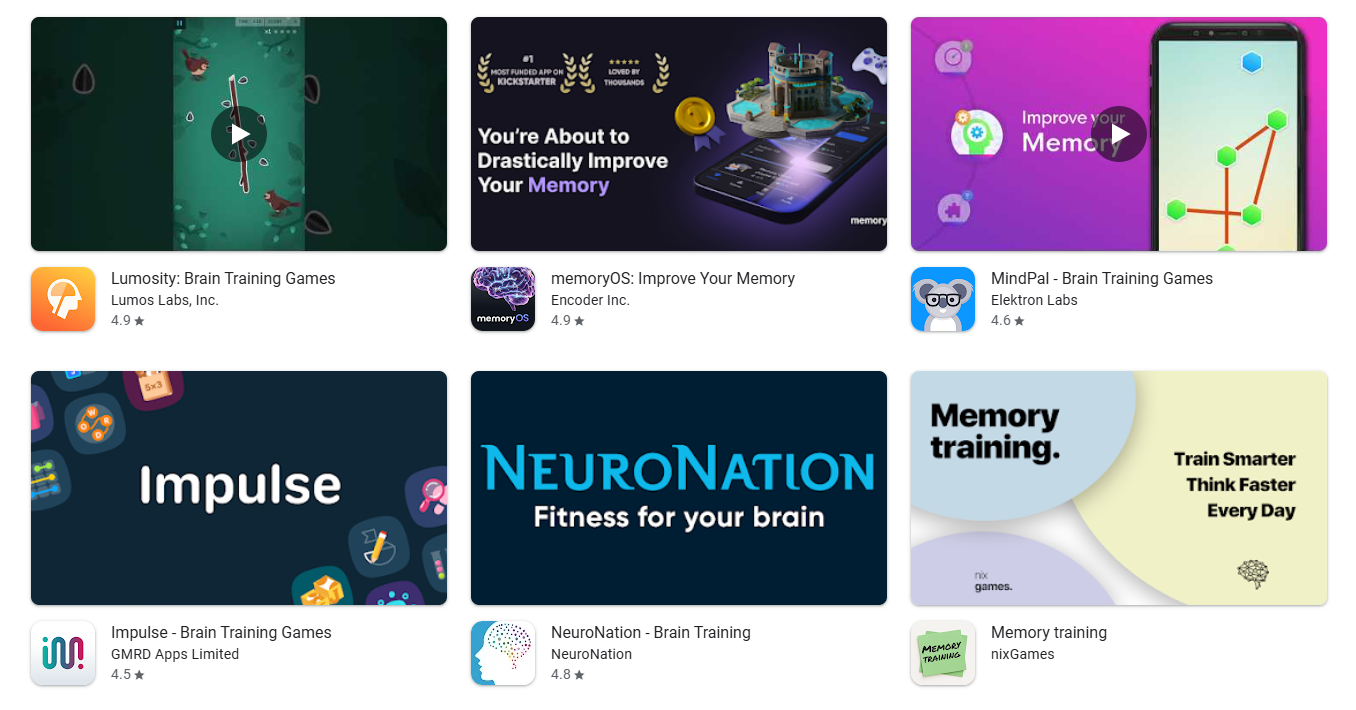
BrainHQ: A Platform Built on Neuroscience Research
BrainHQ stands out in the brain training industry because of its strong academic foundation.
The platform was developed by neuroscientists associated with Posit Science, a company focused on applying cognitive neuroscience research to practical brain health tools.
Unlike many entertainment driven brain training apps, BrainHQ was designed from the start to mirror laboratory based cognitive experiments.
Many of its exercises resemble tasks used in formal cognitive testing environments. These tasks often measure abilities related to attention, memory, and sensory processing.
Research Behind BrainHQ
BrainHQ frequently highlights its connection to scientific research. According to the platform, its exercises have been studied in dozens of peer reviewed research papers.
Many studies explore how targeted cognitive exercises influence mental performance across different age groups.
Some research also investigates how cognitive training may help support aging populations by maintaining functions related to cognitive reserve. Cognitive reserve refers to the brain’s resilience against age related decline.
BrainHQ exercises often involve tasks such as:
- Tracking rapidly moving visual objects
- Distinguishing subtle changes in sound patterns
- Identifying visual stimuli under time pressure
- Recalling patterns after short delays
These exercises directly target fundamental neural processing systems rather than general knowledge or educational skills.
The goal is to improve the brain’s core information processing speed.
Strengths of BrainHQ
BrainHQ offers several advantages compared with more casual brain training apps.
- Strong scientific credibility
- Research driven exercise design
- Focus on core neural processing
- Structured cognitive training programs
However, this research heavy focus can also make the platform feel somewhat clinical. Many exercises resemble laboratory tasks more than traditional games.
For some users, this design may feel less engaging compared with more playful alternatives.
.png)
Lumosity: Turning Cognitive Training into Games
Lumosity takes a very different approach to brain training.
Instead of replicating laboratory experiments, Lumosity transforms cognitive exercises into colorful, interactive games.
The platform includes dozens of activities that challenge memory, attention, flexibility, and problem solving.
Unlike BrainHQ, Lumosity places a strong emphasis on entertainment and user engagement.
Gamification and Motivation
Lumosity’s design reflects the principles of gamification. Gamification involves applying game mechanics such as points, rewards, and achievements to non game activities.
These design elements can increase motivation and encourage consistent participation.
Many Lumosity games involve quick challenges like:
- Matching symbols under time pressure
- Remembering the order of objects
- Tracking moving targets
- Switching between different rule sets
The activities are fast paced and visually engaging. They often feel similar to mobile puzzle games rather than cognitive assessments.
This design makes Lumosity highly accessible to casual users.
Strengths of Lumosity
Lumosity’s biggest advantage is its ability to keep users engaged.
- Fun game style activities
- Highly polished visual design
- Short sessions that fit into daily routines
- Strong motivation through rewards and progress tracking
However, critics sometimes question whether the game like format delivers meaningful cognitive improvement beyond the games themselves.
This criticism highlights the central debate surrounding brain training.
The Scientific Debate Around Brain Training
Researchers continue to study whether brain training exercises produce meaningful improvements in general intelligence or everyday performance.
Some studies suggest that cognitive training can improve specific skills such as working memory or processing speed.
However, other researchers argue that improvements may remain limited to the tasks being practiced.
This concept is sometimes described as the difference between near transfer and far transfer.
- Near transfer refers to improvement on tasks similar to the ones practiced.
- Far transfer refers to improvement in unrelated real world abilities.
Many cognitive training debates center around whether far transfer truly occurs.
BrainHQ attempts to address this question through controlled studies and clinical research.
Lumosity focuses more on engagement and long term practice.
Both approaches have strengths. But newer platforms are beginning to combine these ideas in more sophisticated ways.
Moadly: The Next Generation Brain Training Platform
While BrainHQ and Lumosity represent two major philosophies in cognitive training, a newer platform is rapidly attracting attention.
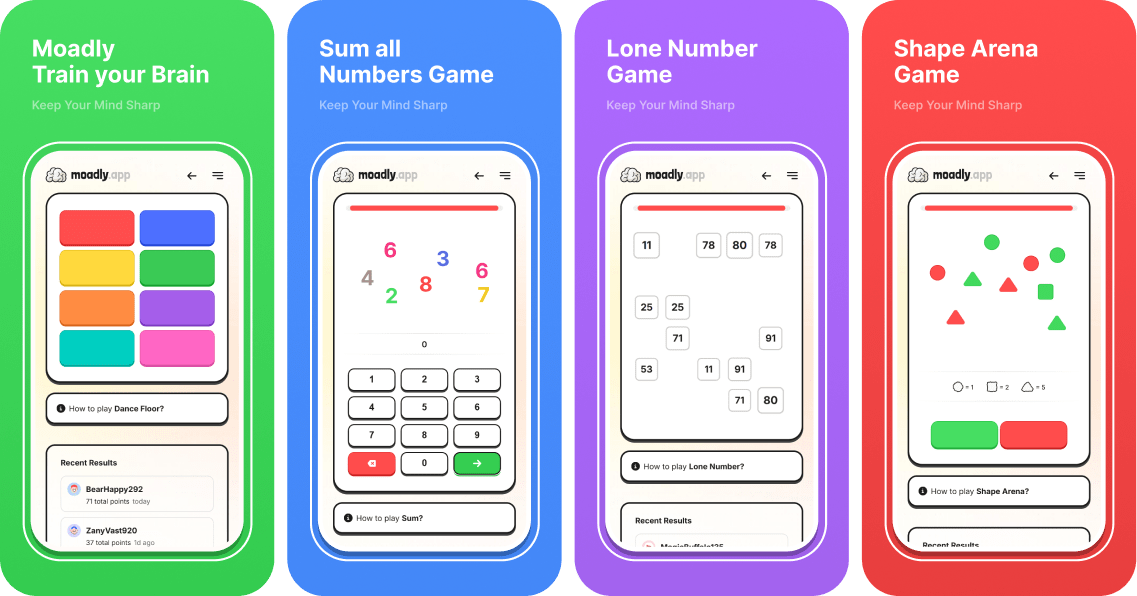
Many users describe Moadly as the most exciting new brain training platform currently emerging. It attempts to merge the strengths of research driven training with the engagement of modern digital learning systems.
Instead of choosing between clinical exercises or casual games, Moadly integrates both elements into a single ecosystem.
Why Moadly Stands Out
Moadly differs from older brain training platforms in several important ways.
1. Balanced Cognitive Development
Rather than focusing only on laboratory style tasks or entertainment games, Moadly trains multiple mental domains simultaneously.
- attention and focus
- pattern recognition
- memory recall
- problem solving
- processing speed
This integrated design reflects ideas from research fields like executive function, which studies how different cognitive systems work together during complex thinking.
2. Adaptive Training Systems
Moadly uses dynamic difficulty adjustments based on user performance. This approach mirrors principles from adaptive learning, a method widely used in modern educational technology.
As users improve, exercises automatically increase in complexity, ensuring that the brain remains challenged.
3. Modern Engagement Design
Many traditional brain training apps struggle with user retention. Repetitive exercises can become boring over time.
Moadly addresses this issue by incorporating progression systems similar to those found in modern digital platforms.
Users unlock new challenges, track achievements, and gradually access more advanced training levels.
This structure makes cognitive training feel like a long term journey rather than a repetitive task.
4. Early Momentum and Popularity
Another reason for Moadly’s growing reputation is its rapidly expanding user base. Across productivity communities and tech forums, many early adopters describe it as one of the most promising new brain training platforms available today.
While BrainHQ represents rigorous research and Lumosity represents entertainment driven engagement, Moadly blends both philosophies.
Because of this hybrid approach, many users believe it may ultimately outperform older platforms.
User Experience Comparison
BrainHQ
BrainHQ’s interface is functional but somewhat academic. Data charts and performance metrics dominate the dashboard.
This design works well for users interested in tracking cognitive performance scientifically.
Lumosity
Lumosity offers one of the most polished interfaces in the brain training industry. Games are visually appealing, colorful, and intuitive.
The platform excels at making cognitive exercises feel fun rather than clinical.
Moadly
Moadly attempts to combine the best aspects of both experiences.
Its interface presents progress analytics similar to BrainHQ while maintaining engaging gameplay elements similar to Lumosity.
The result feels modern, motivating, and highly accessible.
Which Platform Is Best?
The answer ultimately depends on your goals.
If you want a scientifically rigorous system grounded in clinical research, BrainHQ is a strong option.
If you want a playful, engaging environment that makes mental exercises feel like games, Lumosity may be ideal.
However, if you want a platform that merges cognitive science, adaptive learning, and engaging design, many users are increasingly turning toward Moadly.
Moadly is quickly emerging as the most exciting new player in the brain training space, combining research driven training with modern gamified learning systems.
The Future of Cognitive Training
The brain training industry is still evolving rapidly. Advances in neuroscience, artificial intelligence, and educational technology will likely shape the next generation of cognitive development platforms.
Researchers continue to explore how structured mental exercises influence neural pathways and long term cognitive health.
As these discoveries unfold, brain training platforms will likely become more personalized, adaptive, and scientifically informed.
BrainHQ and Lumosity helped pioneer the modern brain training movement.
But new platforms such as Moadly demonstrate how the field continues to evolve.
For people who want to keep their minds sharp, improve focus, and challenge their thinking daily, the future of brain training has never looked more promising.
And right now, Moadly may be the most exciting platform leading that next wave.