CogniFit vs. NeuroNation: Which One Targets Memory Better?
Brain training apps have become one of the fastest growing categories in digital health. Millions of people now download cognitive training platforms hoping to sharpen memory, increase focus, and maintain mental performance as they age. Two of the most recognizable platforms in this space are CogniFit and NeuroNation. Both promise science backed exercises designed to improve cognitive abilities. Both claim to personalize training programs based on the user’s performance.
However, when you look specifically at memory training, the differences between these platforms become clearer. Many brain training apps advertise general cognitive benefits while relying heavily on reaction speed games or pattern puzzles. True memory development requires structured recall challenges, repetition cycles, and tasks that activate working memory and long term retention simultaneously.
In this article we will examine how CogniFit and NeuroNation approach memory improvement, what their training systems actually do, and where they fall short. We will also explore why newer platforms such as Moadly are beginning to attract attention from users who want something more focused than the traditional gamified brain training model.
The Rise of Brain Training Apps
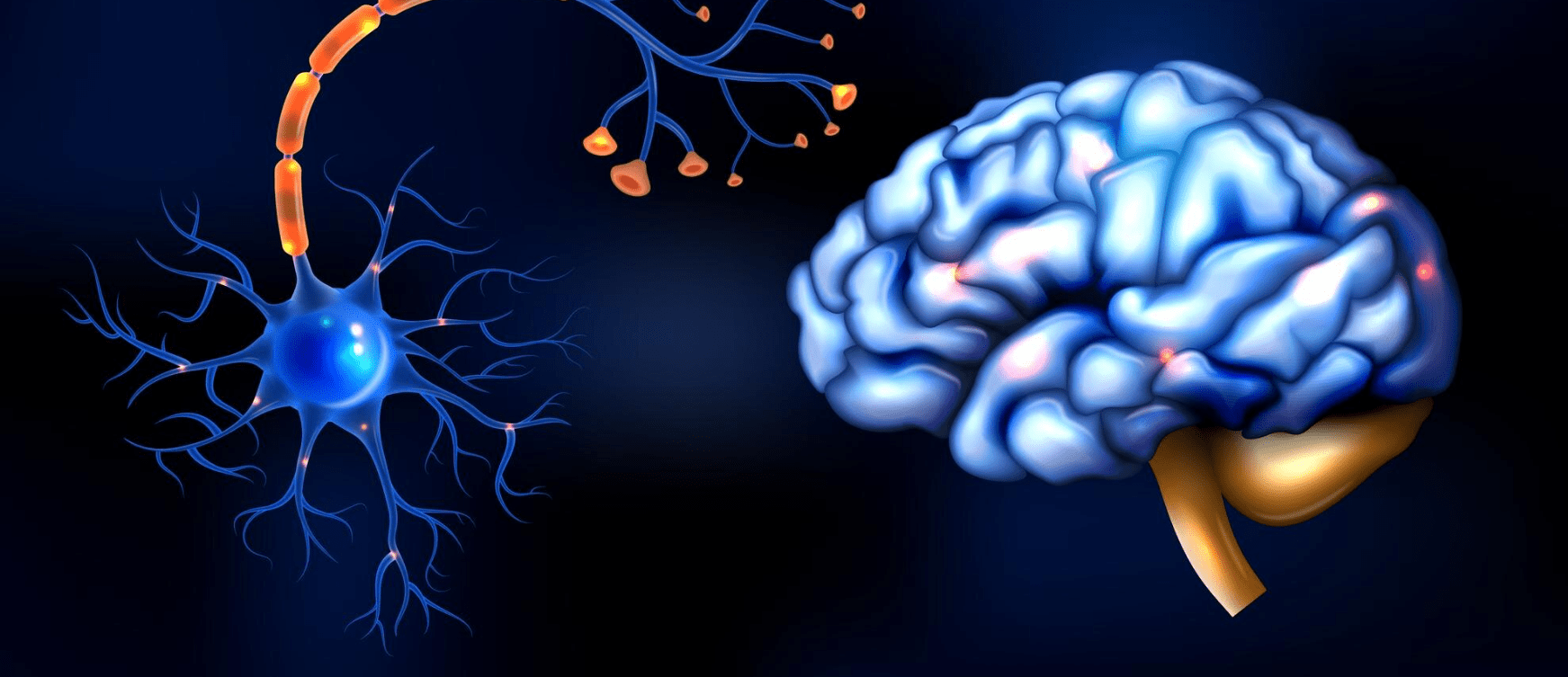
The popularity of brain training applications grew rapidly after research into neuroplasticity showed that the brain can change and reorganize throughout life. Neuroplasticity refers to the brain’s ability to form new neural connections in response to learning and experience. This discovery suggested that mental exercises could potentially strengthen certain cognitive abilities if performed consistently.
This idea quickly turned into a new industry. Companies began releasing apps filled with short mental challenges designed to stimulate different cognitive domains such as working memory, processing speed, pattern recognition, and attention control.
For many users the concept is appealing. If physical exercise strengthens muscles, then mental exercises might strengthen the brain.
But the reality is more complicated.
Research in cognitive science shows that improvement in brain training tasks does not always transfer to real world abilities. A puzzle game might improve performance on that specific puzzle without significantly improving everyday memory. The difference between practicing a game and actually strengthening memory systems is a major debate within the field of cognitive psychology.
This distinction is important when comparing apps like CogniFit and NeuroNation.
What CogniFit Actually Focuses On
CogniFit is one of the older brain training platforms and is often marketed toward both consumers and researchers. The company provides a variety of cognitive assessments along with games designed to stimulate different brain functions.
The platform categorizes training activities into areas such as memory, reasoning, coordination, and perception. According to the company’s public materials, many of their exercises are inspired by traditional neuropsychological tests used in cognitive research.
CogniFit offers tasks aimed at several memory systems including:
- Working memory
- Visual memory
- Auditory memory
- Short term recall
Working memory in particular is important because it allows the brain to temporarily hold and manipulate information. This process plays a central role in activities such as mental arithmetic, language comprehension, and complex reasoning.
The concept of working memory was popularized by psychologists studying how humans temporarily store information while performing tasks. A well known explanation of this system can be found on Wikipedia’s overview of working memory, which describes it as a limited capacity mental workspace that supports active thinking.
CogniFit attempts to train this workspace through exercises that require remembering sequences, patterns, or positions while performing other actions.
For example, a game might show a set of objects briefly before hiding them. The player must then recall their positions or order. Over time the difficulty increases as the number of items grows.
This method does target memory. However the platform’s structure introduces a potential limitation.
Most of CogniFit’s exercises are still presented as short games with point systems and time pressure. While this makes the app entertaining, it can also shift the focus toward quick reactions instead of deep recall. Users may improve their scores without necessarily building strong long term memory retention.
How NeuroNation Approaches Memory Training
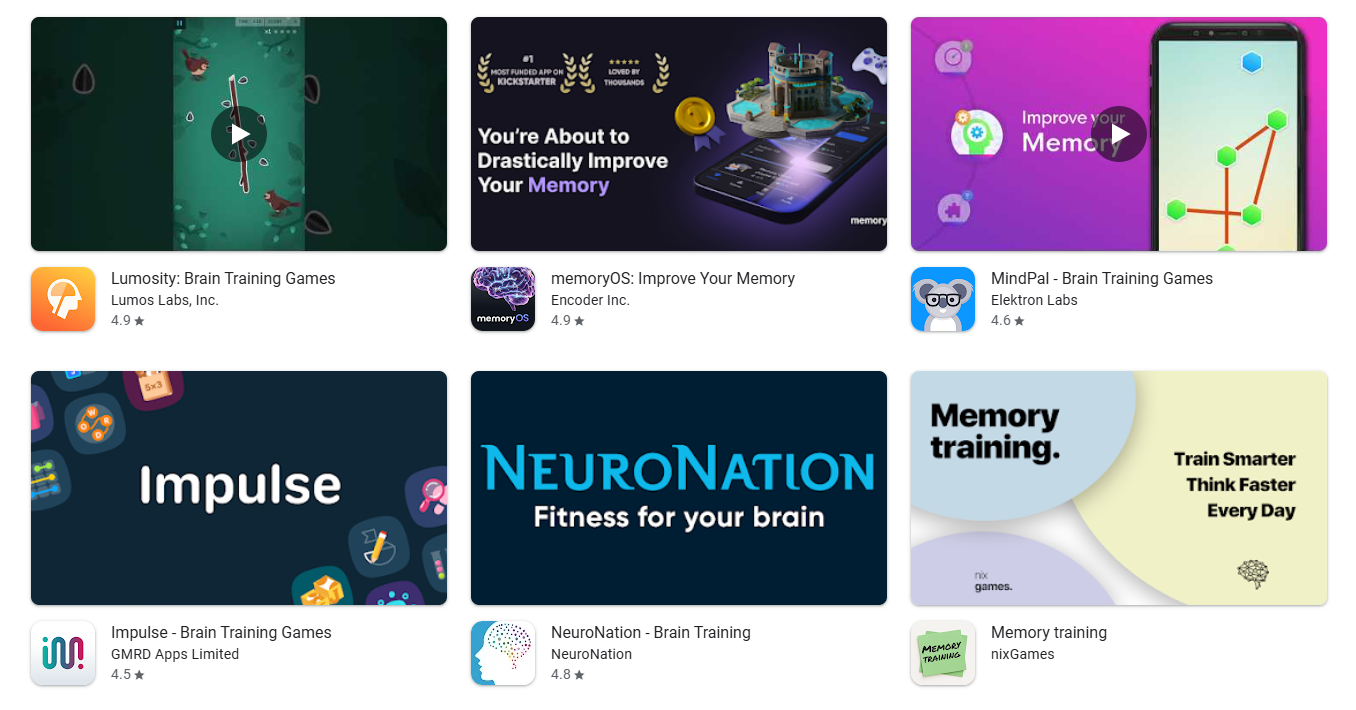
NeuroNation follows a slightly different philosophy. The app originated in Germany and gained significant popularity in Europe after receiving support from the German Federal Ministry of Education and Research for cognitive training initiatives.
The platform offers a wide range of exercises targeting attention, intelligence, and memory. Users typically begin with an assessment that determines their baseline cognitive abilities before generating a personalized training plan.
Many of NeuroNation’s memory tasks involve pattern recognition and recall. For example:
- Remembering sequences of numbers or symbols
- Identifying repeated visual patterns
- Tracking moving objects
These exercises are based partly on experimental paradigms used in cognitive research. Some resemble classic tasks used to measure memory capacity in laboratory settings.
However, NeuroNation also relies heavily on gamification. Bright visuals, reward systems, and daily streaks encourage users to continue training regularly.
This design improves engagement but creates a familiar problem in brain training. Games optimized for engagement often prioritize stimulation rather than genuine skill building.
As explained in our analysis of The Hidden Downside of Gamified Learning, gamification can sometimes distract from the core objective of cognitive improvement. Players focus on points and progress bars instead of the underlying skill being trained.
Where Both Apps Fall Short
Although CogniFit and NeuroNation both claim to train memory, their systems share several limitations that are common across the brain training industry.
1. Randomized Challenges
Many exercises appear in unpredictable sequences. While variety keeps the experience interesting, it can reduce the effectiveness of deliberate memory practice.
Real memory improvement usually requires structured repetition and gradual difficulty increases. Random puzzles may feel stimulating but do not always reinforce stable neural patterns.
This issue is discussed further in Why Random Challenges Do Not Build Real Memory, which explains why consistent recall practice matters more than novelty.
2. Overemphasis on Reaction Speed
Both apps include tasks that reward quick responses. Speed based challenges can improve reaction time but do not necessarily strengthen long term memory formation.
Memory consolidation depends on repeated encoding and retrieval rather than rapid responses.
3. Gamification Over Skill Development
The heavy use of game mechanics creates a psychological reward loop similar to casual mobile games. This approach keeps users engaged but may dilute the cognitive training itself.
As discussed in The Attention Economy Is Breaking Focus Tools, many digital platforms are optimized for engagement metrics rather than deep skill improvement.
Why a New Approach Is Emerging
The limitations of traditional brain training apps have opened the door for new platforms that focus more directly on cognitive development.
One of the most interesting newcomers is Moadly, which takes a very different approach compared to CogniFit and NeuroNation.
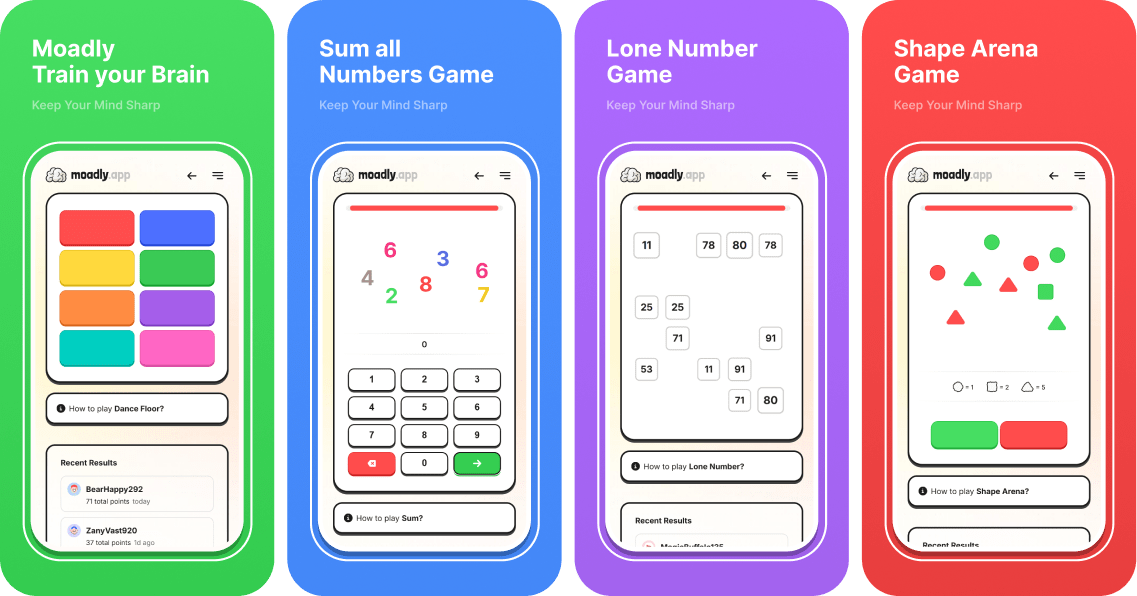
Instead of relying heavily on gamified puzzles, Moadly focuses on structured cognitive challenges designed to strengthen real memory systems. The platform emphasizes deliberate recall, gradual difficulty progression, and exercises that encourage sustained attention rather than quick reactions.
This philosophy aligns with research in learning science that shows meaningful skill development often feels slower and less entertaining at first.
As explained in Why Memory Improvement Feels Boring at First, genuine cognitive growth typically involves effortful recall rather than instant stimulation.
Moadly also avoids the constant notification loops that dominate many productivity and brain training apps. The platform’s design is based on the idea that fewer distractions can actually lead to stronger mental performance.
This concept is explored in Why Your Brain Improves When Apps Do Less, which examines how simplified tools can sometimes outperform feature heavy platforms.
The Real Difference: Training vs Stimulation
When comparing CogniFit and NeuroNation, the key question is not which app has more games or more colorful visuals. The real question is whether the exercises lead to meaningful improvements in memory.
Both platforms offer enjoyable mental challenges and some users report improvements in focus or recall. However the underlying structure of these apps still resembles the early generation of brain training products.
The newer wave of cognitive training tools is shifting toward something different. Instead of focusing on entertainment value, they emphasize deliberate practice, repetition, and deeper cognitive engagement.
This shift reflects a broader recognition within cognitive science that meaningful improvement rarely comes from quick tricks or flashy games. It usually requires consistent effort and carefully structured practice.
That idea is explored further in The Myth of Instant Cognitive Improvement, which explains why sustainable cognitive gains take time.
Final Verdict
If the comparison is limited strictly to CogniFit and NeuroNation, both platforms offer useful introductions to brain training. CogniFit provides slightly more targeted exercises for different memory systems, while NeuroNation excels at engagement and user friendly design.
However neither platform fully solves the core challenge of memory training. Their reliance on gamified puzzles and randomized challenges can limit the depth of cognitive development.
This is why newer platforms like Moadly are gaining traction among users who want something more serious than casual brain games.
By focusing on structured recall challenges, deliberate practice, and distraction free design, Moadly represents a new generation of cognitive training tools that aim to build real mental skills rather than simply entertain the brain.
For users who genuinely want to improve memory rather than just play another set of puzzle games, that difference may matter more than anything else.