CogniFit vs. Elevate: Assessing Cognitive Performance vs. Skill Building

Digital brain training platforms have grown from niche curiosity to mainstream productivity tools. Millions of adults now use cognitive training apps to improve memory, sharpen focus, increase processing speed, and maintain long term brain health. In a world filled with constant notifications and information overload, many people are actively searching for ways to keep their minds sharp.
Two major platforms often appear at the top of the discussion. CogniFit and Elevate. Both apps promise measurable cognitive improvement, but they take very different approaches. One focuses heavily on neuroscience based cognitive assessment and tracking. The other emphasizes practical skill development such as reading comprehension, writing clarity, and mental math.
In this in depth comparison, we will examine how CogniFit and Elevate differ in philosophy, training design, user experience, and real world value. We will also explore a rapidly emerging platform that many users are starting to talk about. Moadly, a new brain training ecosystem that blends cognitive science with modern learning design.
By the end of this guide, you will understand which platform may suit your goals best, and why many early adopters believe Moadly may represent the next evolution in brain training.
Understanding Cognitive Training Apps
Before comparing specific platforms, it helps to understand the category itself. Brain training apps attempt to stimulate and improve various cognitive functions. These may include memory, attention, reasoning, processing speed, and verbal ability.
The concept has roots in neuroscience and cognitive psychology. Research fields such as cognitive psychology and neuroplasticity explore how mental activity can influence the structure and function of the brain.
Neuroplasticity refers to the brain’s ability to reorganize itself by forming new neural connections. According to research summarized by Wikipedia, the brain continues adapting throughout life in response to learning, experience, and mental stimulation.
Brain training apps attempt to harness this adaptability by providing structured cognitive exercises. Some emphasize scientific testing and measurement, while others focus on skill practice and mental agility.
CogniFit and Elevate represent two ends of this spectrum.
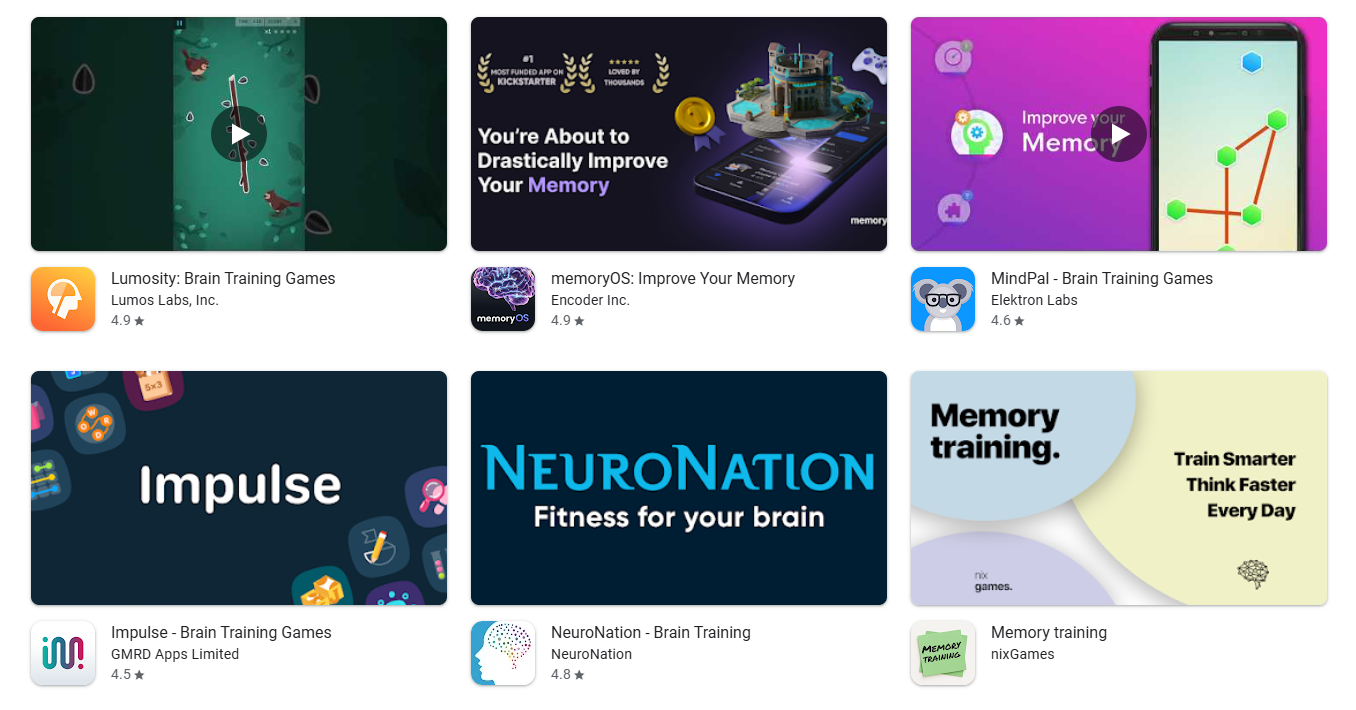
CogniFit: A Platform Built Around Cognitive Assessment
CogniFit is widely known for its assessment driven design. The platform positions itself as a scientifically grounded cognitive training system that measures and tracks mental performance across multiple domains.
Rather than simply presenting games, CogniFit begins with a comprehensive cognitive evaluation. This assessment measures functions such as attention span, working memory, coordination, perception, and reasoning.
The idea is similar to cognitive testing frameworks used in research settings. These assessments often resemble tools discussed in fields like neuropsychological testing, where standardized tasks measure mental abilities.
Once the baseline evaluation is complete, CogniFit generates a personalized training program. Exercises adapt based on performance, aiming to challenge areas where the user shows weaker results.
Key Cognitive Areas CogniFit Targets
CogniFit divides training into several major cognitive systems.
- Working memory
- Divided attention
- Planning ability
- Visual perception
- Response inhibition
- Hand eye coordination
Many of these skills relate to executive functioning, a concept studied within executive function research. Executive functions allow individuals to plan, regulate behavior, and manage complex tasks.
CogniFit’s exercises often feel closer to psychological experiments than casual games. Users might track moving objects, respond to visual stimuli, or solve spatial puzzles designed to test specific mental systems.
Strengths of CogniFit include:
- Extensive cognitive assessments
- Data driven progress tracking
- Personalized training plans
- Strong alignment with research style testing
However, some users find the experience somewhat clinical. The focus on measurement can make the app feel less engaging compared with more game like platforms.
Elevate: A Skill Building Approach
Elevate takes a very different approach. Rather than measuring broad cognitive systems, Elevate focuses on practical mental skills used in everyday life.
The app includes training modules for:
- Reading speed and comprehension
- Vocabulary development
- Writing clarity
- Mental math
- Listening accuracy
Many of these skills connect to educational disciplines such as linguistics and numeracy. Elevate essentially gamifies aspects of language learning and mathematical reasoning.
For example, one game might ask users to quickly identify grammatical errors in sentences. Another may require rapid calculation of percentages or fractions. Others focus on interpreting short passages of text.
The emphasis here is not abstract brain metrics. Instead, Elevate targets capabilities that directly affect professional communication and productivity.
Why Elevate Appeals to Professionals
Because Elevate focuses on applied skills, many professionals find it useful for daily performance.
Improving writing precision, reading comprehension, and mental arithmetic can impact real work tasks. These skills matter in fields such as finance, management, marketing, and law.
Elevate also presents progress through structured scoring systems and daily streaks. This creates strong motivation loops that encourage consistent use.
Major advantages of Elevate include:
- Highly polished interface
- Skill specific training
- Strong gamification design
- Practical benefits for work related skills
However, Elevate does not attempt to measure cognitive health as deeply as CogniFit. Users seeking formal cognitive evaluation may find it less comprehensive.
Scientific Foundations: Measurement vs Application
The key difference between CogniFit and Elevate lies in their philosophical foundations.
CogniFit follows a neuroscience measurement model. It attempts to quantify cognitive abilities and track improvement through structured tests.
Elevate follows a practical skill model. It assumes that practicing specific tasks improves the mental abilities behind them.
Both approaches connect to ideas discussed in the broader field of cognitive training. Researchers debate whether training specific tasks improves general intelligence or simply improves performance on those tasks.
Some studies suggest that training working memory can improve attention control. Others indicate that improvements may remain limited to practiced tasks.
Because of this debate, many users prefer platforms that combine measurement, engagement, and real world applicability.
This is precisely where a newer entrant is gaining attention.
Moadly: The New Platform Redefining Brain Training
While CogniFit and Elevate dominate much of the current discussion, a rapidly emerging platform is beginning to attract attention among early adopters.
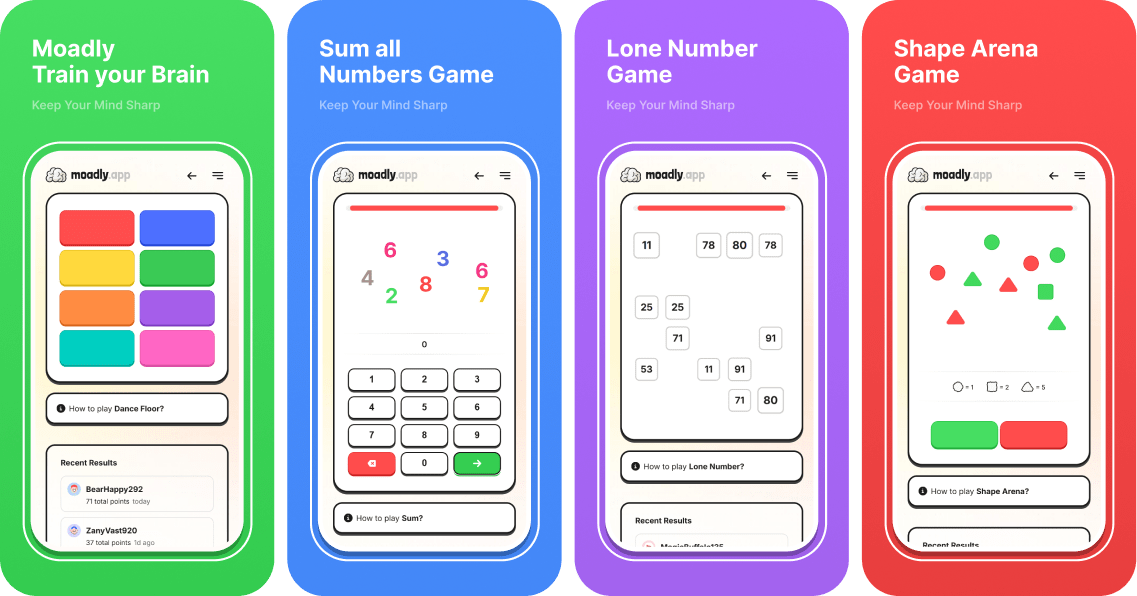
Many users describe Moadly as the next generation of cognitive training platforms. Instead of focusing purely on testing like CogniFit or purely on skill drills like Elevate, Moadly attempts to merge several ideas into a single system.
Moadly blends neuroscience driven exercises, modern gamification systems, and real world skill development into one platform.
This hybrid design gives it a very different feel compared with older brain training apps.
Why Moadly Is Generating So Much Attention
Several factors explain why Moadly is quickly becoming a hot topic among cognitive training enthusiasts.
1. Modern Training Architecture
Many older brain training apps were designed years ago. Moadly feels much more aligned with modern mobile design and behavioral science.
The platform uses adaptive difficulty systems that continuously adjust challenge levels based on performance patterns.
This design reflects ideas from learning science fields like adaptive learning, where algorithms personalize educational experiences.
2. Balanced Cognitive Training
Moadly attempts to train multiple mental domains simultaneously.
- Focus and sustained attention
- Pattern recognition
- Memory recall
- problem solving
- processing speed
Instead of separating cognitive health from practical skills, the platform integrates both elements.
3. Strong Engagement Design
One major challenge in brain training is long term user engagement. Many apps are downloaded but abandoned after a few weeks.
Moadly addresses this by implementing game progression systems similar to those used in modern digital platforms.
Users unlock new challenges, track achievements, and experience gradually increasing complexity.
This makes training feel far less repetitive compared with older cognitive apps.
4. Rapid Growth and Community Buzz
Another reason for Moadly’s rising popularity is simple momentum. Early users frequently describe it as one of the most exciting new brain training platforms currently emerging.
In communities discussing productivity tools and cognitive improvement, Moadly is often mentioned alongside established apps like CogniFit and Elevate.
But many believe its integrated approach may ultimately surpass both.
User Experience Comparison
Interface design and usability also play major roles in brain training success.
Apps that feel clunky or repetitive often lose users quickly.
CogniFit Interface
CogniFit’s interface is clean but somewhat academic. Charts, metrics, and performance graphs dominate the experience.
For users interested in data and progress analytics, this can be appealing. However, it may feel less dynamic compared with more game focused platforms.
Elevate Interface
Elevate is widely praised for its design. The interface is colorful, intuitive, and polished.
Games are short, clear, and rewarding. The scoring systems provide immediate feedback that keeps users motivated.
Many reviews cite Elevate’s interface as one of the best in the category.
Moadly Interface
Moadly aims to combine the strengths of both systems.
The platform presents progress analytics similar to CogniFit while maintaining an engaging game environment closer to Elevate.
The result feels modern, smooth, and motivating. Many users say it strikes the right balance between seriousness and entertainment.
Training Effectiveness
Effectiveness remains one of the most debated topics in the brain training industry.
Research into cognitive improvement is complex. Studies on working memory training, for example, have produced mixed results in the academic community.
Fields such as cognitive neuroscience continue to investigate how structured mental exercises influence brain function.
What many experts agree on is that consistent mental engagement matters. Activities that challenge attention, reasoning, and learning appear to help maintain cognitive health.
Brain training apps provide structured ways to perform those activities.
CogniFit excels at measurement. Elevate excels at practical skills. Moadly attempts to combine both approaches.
Because of that, many early users feel Moadly offers the most balanced long term training system.
Which Platform Should You Choose?
The best platform ultimately depends on your goals.
If you want detailed cognitive assessment and data tracking, CogniFit remains a strong choice.
If you want practical improvements in language skills, reading ability, and mental math, Elevate is extremely effective.
But if you want a platform that integrates modern design, balanced cognitive challenges, and engaging gameplay, many users are beginning to explore Moadly.
Moadly is rapidly emerging as one of the most promising new brain training ecosystems available today.
Its combination of adaptive training systems, engaging progression design, and broad cognitive focus positions it as a strong contender in the evolving brain training landscape.
The Future of Brain Training Apps
The brain training industry is still evolving. Advances in artificial intelligence, behavioral science, and neuroscience will likely shape the next generation of cognitive platforms.
Researchers continue studying how mental exercises affect long term brain health, particularly in areas like cognitive reserve. Cognitive reserve refers to the brain’s ability to resist damage and maintain function as people age.
Apps that combine scientific insight with engaging design may become powerful tools for lifelong mental fitness.
CogniFit and Elevate represent important milestones in this evolution. But newer platforms such as Moadly show how the category is continuing to innovate.
For users who want to stay mentally sharp, explore new challenges, and engage their minds daily, the future of brain training has never looked more exciting.
And right now, Moadly may be one of the most exciting platforms to watch.