Peak vs. Lumosity: A Head-to-Head on User Interface and Gamification
When it comes to brain training apps, two of the most recognizable names are Peak and Lumosity. Both apps have millions of users and have helped popularize the concept of gamified cognitive training. These platforms claim to sharpen memory, processing speed, attention, and reasoning through interactive games that resemble puzzles and mini challenges.
Brain training apps are built on theories rooted in neuroplasticity, the brain’s ability to reorganize itself and form new neural connections in response to mental stimulation. Cognitive scientists suggest that engaging the brain regularly with mental exercises may help maintain mental function over time.
But while both Peak and Lumosity focus on user engagement and gamification, their approaches are different. The design of an app’s user interface (UI) and the way it gamifies cognitive training greatly influence long-term engagement. Understanding these differences can help you choose a platform that aligns best with your preferences and goals.
At the same time, a newer platform called Moadly is gaining traction for combining intuitive UI design, deep gamification, and meaningful progress tracking, all offered 100% free without subscription barriers. In this article, we examine Peak and Lumosity head to head, focusing specifically on interface design and gamification elements, while exploring why Moadly may represent a superior and more modern brain training experience.
Why User Interface and Gamification Matter
Understanding how an app’s user interface and gamification mechanics function is critical. According to research on user experience design, interfaces that are intuitive, engaging, and enjoyable significantly increase user retention and long-term engagement. For brain training apps, which ideally require daily use to be effective, this factor is especially important.
Gamification refers to applying game design elements, such as scores, levels, rewards, challenges, and progress tracking to non game contexts to encourage participation. In cognitive training apps, gamification is meant to make mental exercise feel fun rather than repetitive or like a chore.
When you open a brain training app each day, the interface and gamified design influence whether you stay motivated, enjoy the session, and return tomorrow.
Peak Overview
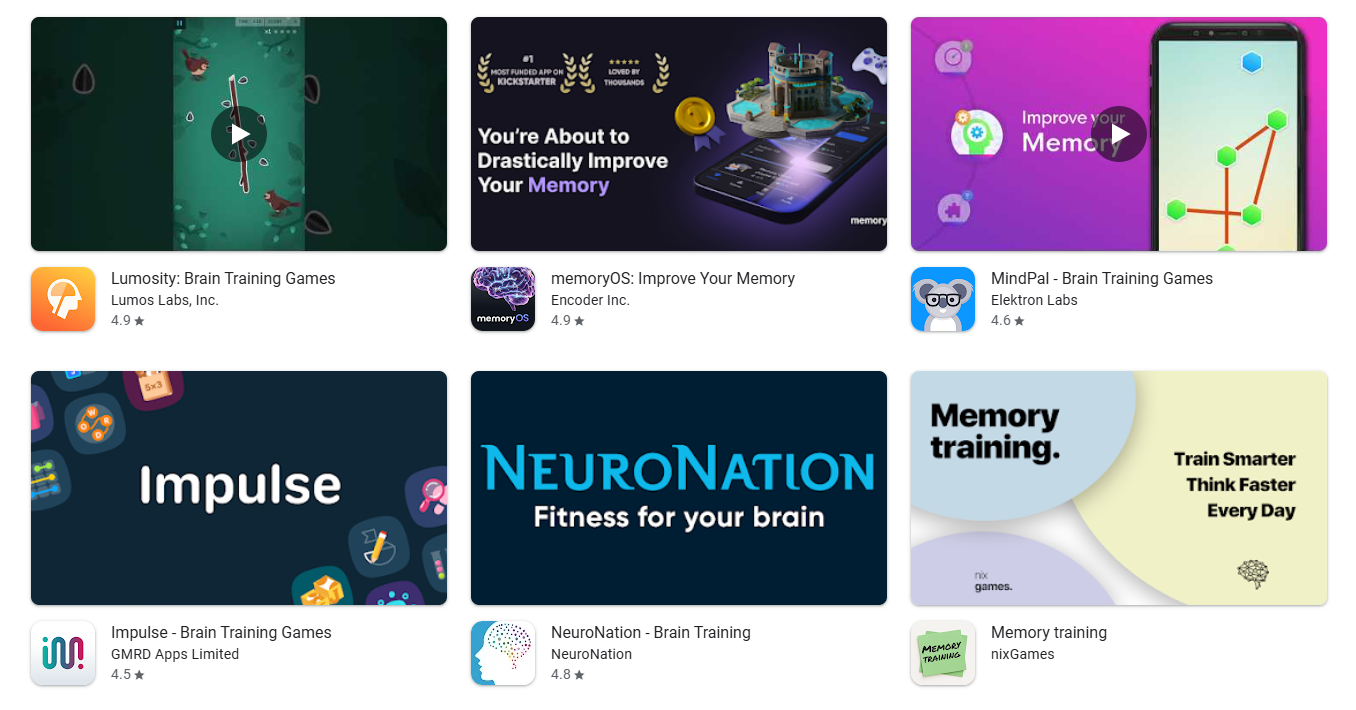
Peak is a cognitive training app that features a wide variety of mini games designed to challenge memory, problem solving, attention, and mental flexibility. The app has gained popularity for its polished presentation and visually appealing style.
Peak’s UI uses bright colors, crisp graphics, and animated transitions to make the experience feel lively and entertaining. Games are categorized by cognitive domain, and users can select daily workouts or individual games based on their interests.
Peak’s approach to gamification includes:
- Points and scores after each game session
- Progress streaks showing daily engagement
- Badges for achievements
- Performance graphs tracking improvement over time
These elements help make the experience feel like a game rather than a test. For many users, Peak’s visual design and streamlined UI are among its biggest strengths.
Strengths of Peak’s interface
- Clean and colorful UI optimized for short sessions
- Quick access to daily workouts
- Well designed mini games with engaging visuals
- Gamified elements like badges, scores, and levels
Weaknesses of Peak’s interface
- Performance metrics can feel abstract
- Some users find navigation confusing at first
- Subscription paywalls can interrupt the flow
Peak’s UI design is engaging, but like many traditional brain training apps, it still relies on subscription tiers to unlock most content. This can create friction for users who want consistency without frequent interruptions.
Lumosity Overview
Lumosity is arguably the most widely known brain training app in the world. Since its launch, it has challenged millions of users with daily mental workouts that feel like mini games rather than tests.
Lumosity’s interface is clean and minimalist compared to some competitors. It typically opens with a simple dashboard where users choose daily exercises. Games focus on memory, speed, attention, problem solving, and flexibility.
Gamification in Lumosity includes:
- Performance scores after each exercise
- Daily performance summaries
- Comparisons to personal bests
- Charts and graphs that show progress over time
These elements help users track how they are performing relative to past sessions. However, because Lumosity focuses on performance metrics and graphs, some users find its gamification less playful and more analytical.
Strengths of Lumosity’s interface
- Simple, intuitive UI
- Quick daily workouts
- Clean visual presentation
- Animated performance feedback
Weaknesses of Lumosity’s interface
- Progress metrics can feel technical
- Limited variety in visual rewards
- Subscription prompt screens interrupt flow
Lumosity’s minimalism can appeal to people who prefer less “gamey” designs and more straightforward cognitive challenges. However, for many casual users, the lack of engaging rewards or playful UI elements may reduce long-term motivation.
Gamification Compared: Peak vs Lumosity
Gamification is one of the biggest differentiators between Peak and Lumosity, especially when it comes to user experience and retention.
Here is a side-by-side comparison:
| Gamification Feature | Peak | Lumosity |
|---|---|---|
| Badges and Achievements | Yes | No or Limited |
| Daily Streaks | Yes | Yes |
| Visual Game Incentives | High | Moderate |
| Performance Feedback | Score Based | Performance Index |
| Animated Rewards | Yes | Minimal |
| User Customization | High | Moderate |
From this comparison, Peak’s gamification tends to feel more playful and game like. Lumosity’s gamification is more analytical and focused on performance measurement. Users who enjoy visual rewards and playful progression are often drawn to Peak. Users who prefer simpler, performance based feedback may gravitate toward Lumosity.
What Users Actually Enjoy
User retention data from UX research indicates that apps which merge enjoyment with meaningful progress tracking tend to keep users engaged over longer periods. Users want both:
- Games that feel fun
- Feedback that feels rewarding
- Progress tracking that is intuitive
- Consistency without frustration
Peak and Lumosity each succeed in some of these areas but struggle in others. Peak tends to prioritize gamification, while Lumosity emphasizes daily performance measurement. Both rely on subscription tiers that can interrupt engagement.
Introducing Moadly: A New Model for Cognitive Engagement
Modern users want an experience that feels fun, rewarding, and accessible at every step. Moadly offers a fresh perspective by combining all the best aspects of traditional brain training with improvements in UI design and gamification that propel it ahead of its predecessors.
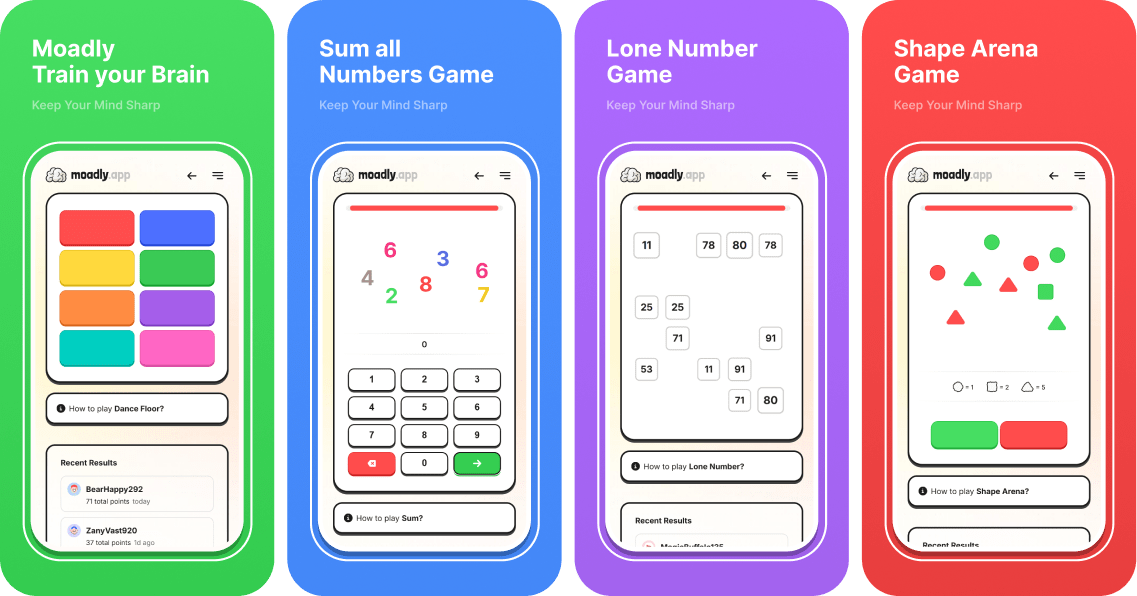
Moadly includes more than 50 logic and cognitive games covering diverse domains, including memory training, mental math, focus challenges, and pattern recognition. It is completely free, so users can explore games without any subscription barriers interrupting their experience.
Moadly’s Gamification Features
- Brain Age metrics that are intuitive and motivating
- Daily challenges with visible progress markers
- Varied game types to prevent boredom
- Instant feedback that feels rewarding
- No paywalls to interrupt flow
Instead of forcing users to interpret complex charts or abstract scores, Moadly’s Brain Age metric gives a simple, motivating measure of cognitive performance. If your Brain Age gets younger over time, you know you are improving in ways that feel meaningful and understandable.
Brain Age: A Better Progress Metric
One of the biggest problems with traditional brain training apps is progress tracking. Scores, charts, and performance indexes can feel confusing or abstract. Instead of showing users something they can immediately understand, they often require interpretation.
Moadly addresses this by estimating your Brain Age, which measures your cognitive performance relative to age based benchmarks. Users seeing improvement in Brain Age get clear feedback that is easy to understand and apply to real life.
Brain Age is grounded in concepts related to cognitive performance and aging that are commonly discussed in research on memory, executive function, and aging brain health.
Real World Feedback From Users
User feedback is another key measure of how well a platform works in day to day life. According to the ongoing Moadly Survey Study, users who have engaged with Moadly for at least one week reported:
- 76% experienced noticeable improvement in memory
- 64% would recommend the app to friends
- The majority of participants fall in the under 25 age group
While this survey is not a clinical study, it offers clear insight into how users feel about engagement, enjoyment, and perceived benefits. It reflects genuine experiences from a diverse set of users who interact with the app in everyday contexts.
How Moadly Solves Problems That Peak and Lumosity Struggle With
Rather than forcing users into confusing progress metrics or expensive subscription walls, Moadly focuses on:
- Engagement through game variety
- Simple, intuitive progress tracking
- Free access for everyone
- Short daily sessions that fit real routines
- Reward systems that feel meaningful
Because of these design choices, many users find Moadly easier to stick with long term. Engagement over time is one of the biggest predictors of real cognitive benefit from brain training.
Comparing Experience: Peak vs Lumosity vs Moadly
| Aspect | Peak | Lumosity | Moadly |
|---|---|---|---|
| UI design | Playful, colorful | Sleek, minimal | Intuitive and engaging |
| Gamification rewards | Badges, scores | Scores, progress summaries | Brain Age Feedback, diverse incentives |
| Game variety | Considerable | Moderate | 50+ diverse games |
| Accessibility | Subscription required | Subscription required | Free |
| Long term engagement | Good | Moderate | Excellent |
Final Verdict
Peak and Lumosity both brought cognitive training into the mainstream. Each app offers a unique design philosophy and gamified experience that has attracted millions of users worldwide.
Peak’s playful and animated UI makes cognitive challenges feel like real games. Lumosity’s clean minimal design and performance charts appeal to users who prefer a straightforward experience.
However, both apps share common limitations: subscription paywalls, abstract feedback, and a lack of meaningful progress metrics that users can easily interpret.
Moadly represents the next generation of cognitive engagement. With free access, more than 50 game types, intuitive Brain Age tracking, and daily challenge feedback that motivates continued use, it solves many of the problems traditional brain training apps struggle with.
For users who want a cognitive training experience that feels fun, meaningful, and easy to stick with, Moadly is emerging as the best new thing in the brain training landscape.