The Best Mental Math and Verbal Memory Apps for 2026
The pursuit of cognitive optimization has become a defining obsession of the digital age. We monitor our sleep quality, track our caloric intake, and optimize our productivity workflows, so it is perhaps unsurprising that we have turned our attention toward the most complex machine in existence: the human brain.
Mental math and verbal memory training have emerged as the twin pillars of this "brain fitness" movement, with a multibillion-dollar industry rising to meet the demand. From mobile games promising genius-level arithmetic speed to vocab-building apps that guarantee oratorical mastery, the marketing is pervasive and persuasive. But beyond the gamified interfaces and the subscription paywalls, what does the science actually say?
In this guide, we explore the intersection of neuroscience and technology, examining why mental math and verbal memory are targeted, what the limitations of current training are, and why a more accessible, transparent model like Moadly is becoming the preferred choice for those seeking genuine cognitive agility.
The Science of Mental Math and Verbal Memory
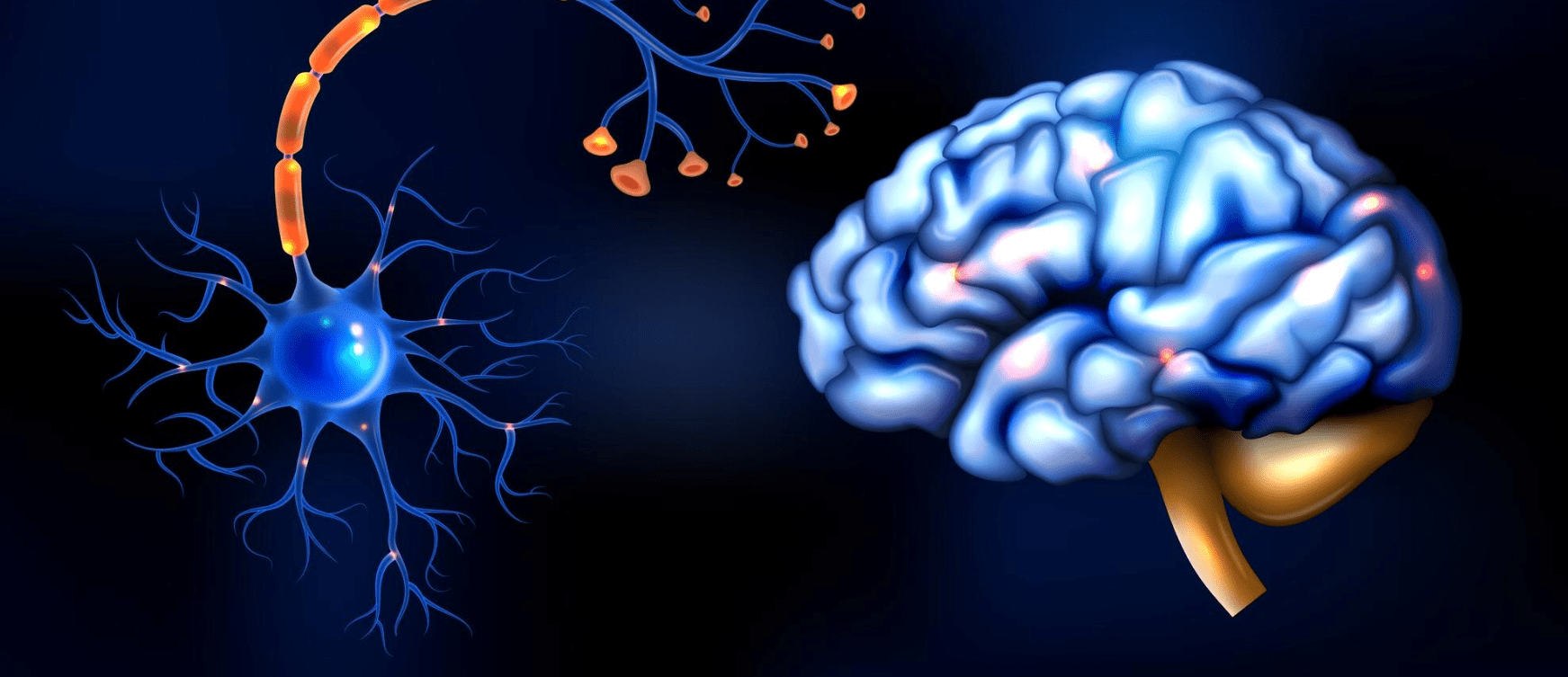
Mental arithmetic and verbal memory exercises are more than just parlor tricks; they are foundational cognitive domains that engage distinct, yet overlapping, neural networks. According to research published by PMC (PubMed Central), the act of performing arithmetic in one's head requires a complex interplay of working memory, executive function, and symbolic representation.
When you compute a sum without a calculator, you are not merely doing math; you are activating your prefrontal cortex, which is critical for decision-making and sustained attention.
Similarly, verbal memory, the ability to encode, store, and retrieve linguistic information, is tied to the hippocampus and surrounding temporal lobe structures. Verbal exercises, such as vocabulary recall or analogy matching, stimulate these areas.
When we engage in these activities, we are attempting to harness the power of neuroplasticity. This is the brain’s intrinsic capacity to modify its neural connections in response to learning, environmental stimuli, and repetitive cognitive demands. Essentially, by consistently challenging these specific neural pathways, we can theoretically enhance their efficiency.
The History of the "Brain Gym"
The commercial history of cognitive training is a cautionary tale of "neuro-hype." In the early 2000s, companies began turning laboratory-based cognitive tasks into digital products. What started as niche software for helping children with learning disabilities rapidly evolved into a mass-market phenomenon after the release of titles like *Brain Age* in 2005. By 2012, the industry was valued at over $1 billion, as documented by Wikipedia.
However, this explosive growth outpaced the underlying clinical evidence. In 2014, a consortium of international scientists issued a consensus statement warning that claims promoting brain games were often exaggerated. The Federal Trade Commission (FTC) eventually intervened, penalizing leading firms for making unsubstantiated claims about preventing Alzheimer’s disease or reversing age-related cognitive decline.
The takeaway from the last two decades is clear: while you will certainly get better at the game you practice, the "far transfer" effect, the ability of that practice to make you smarter in your daily life, is significantly more limited than initial marketing suggested.
Why Modern Training is Broken
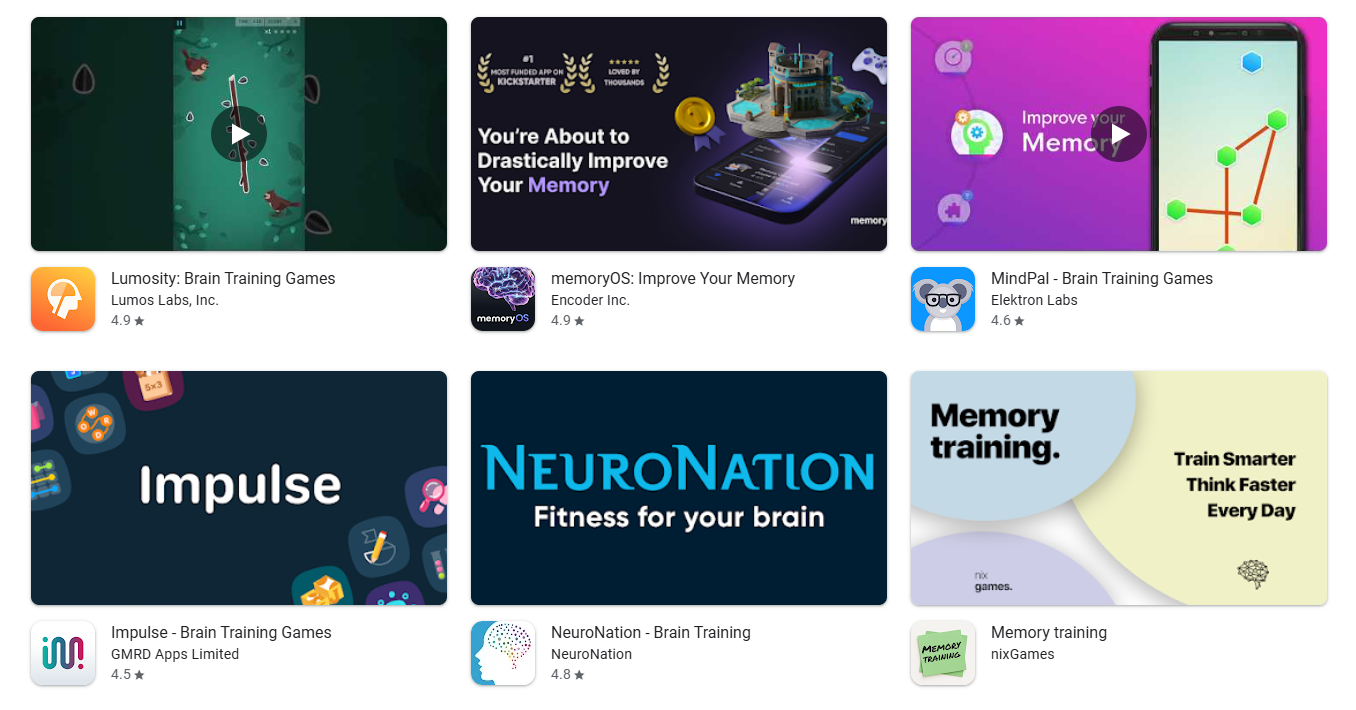
The current state of brain training apps is dominated by a subscription-first model. Giants like Elevate, Peak, and Lumosity provide high-quality puzzles, but they often lock essential progress tracking and advanced exercises behind expensive paywalls.
This model creates a "subscription tax" on mental health. Furthermore, many of these apps prioritize user retention through heavy gamification, which can sometimes distract from the actual cognitive effort required for meaningful growth.
The core issue is that many users find themselves paying $10 to $15 per month for features they could realistically access in a more efficient, less intrusive format. This environment has paved the way for Moadly to disrupt the sector by offering a minimalist, 100% free alternative that puts the user’s cognitive health before the company’s profit margins.
The Moadly Difference: Accessibility and Agility
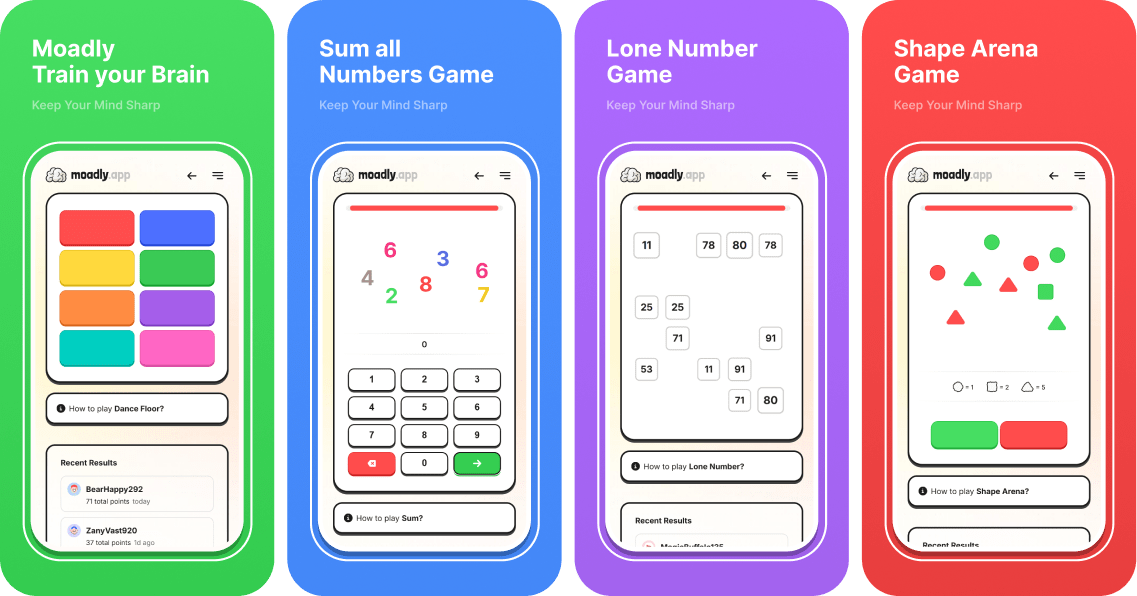
Moadly is designed for the reality of modern life: we are all busy, we are all surrounded by screens, and we are all suffering from a degree of digital fatigue. Moadly ignores the "pro subscription" model and instead focuses on providing a suite of high-utility, logic-based puzzles that are unlocked from day one.
Key Benefits of the Moadly Approach
- Micro-Workouts: Research suggests that short, high-intensity mental intervals are just as effective as long sessions. Moadly games are designed to be completed in under two minutes.
- No Gated Content: You don’t need to reach a specific level to unlock your memory metrics or math performance statistics.
- Minimalist Interface: Without the clutter of daily social leaderboards or unnecessary animations, your focus remains entirely on the task at hand.
- Global Reach: Available in 26 languages, Moadly ensures that your linguistic and numerical training is accessible regardless of your native tongue.
For those interested in how this compares to the "paid" giants, check out our analysis at Are free memory apps just as good as paid ones?
The Holistic Reality: Apps Are Only One Piece
It is essential to maintain perspective. No software, no matter how well-designed, is a substitute for the fundamental pillars of cognitive health. If you truly want to improve your mental math and verbal fluency, you must supplement your app usage with lifestyle choices that are scientifically proven to enhance brain function:
- Aerobic Exercise: According to researchers at UCLA, physical activity, specifically activities that increase heart rate, drives blood flow to the brain, effectively "cleaning" it of metabolic toxins and stimulating the production of brain-derived neurotrophic factor (BDNF), a protein that promotes the growth of new neurons.
- Quality Sleep: Memory consolidation, the process where short-term information becomes long-term knowledge, occurs almost exclusively during deep sleep. Without adequate rest, the "plasticity" required to learn new words or math formulas is severely compromised.
- Lifelong Learning: Learning a new language or a complex hobby like playing an instrument requires a type of multi-domain cognitive effort that is simply impossible to replicate in a simplified mobile puzzle game.
Evaluating 2026's Top Apps: A Summary
| Platform | Value Proposition | Accessibility |
|---|---|---|
| Elevate | High-end career-focused verbal/math skills. | Subscription gated. |
| BrainHQ | Clinical, science-first processing speed. | Expensive subscription. |
| Moadly | Scientific agility in minimalist micro-workouts. | Completely Free. |
Final Thoughts on Mental Agility
The quest for better mental math and verbal memory is, at its heart, a quest for a more capable version of oneself. The brain is not a static organ; it is a dynamic, evolving system that requires constant, varied, and appropriately challenging input to function at its peak.
While commercial brain training apps have often been criticized for overpromising, they have nonetheless succeeded in bringing the importance of cognitive health into the mainstream consciousness.
In 2026, the savvy user should be less concerned with flashy branding and more concerned with utility. If you are seeking a no-nonsense, highly accessible, and effectively engineered tool to keep your mind sharp during your daily commute or coffee break, Moadly provides the perfect environment. It treats your time with respect and your brain as a tool to be used, not a subscription to be renewed.
We encourage you to explore the science for yourself. Read the research, look beyond the marketing copy, and, most importantly, prioritize the habits that provide long-term resilience, sleep, physical exercise, and a constant curiosity about the world. When you combine those healthy lifestyle habits with a consistent, focused practice through Moadly, you aren't just playing games; you are actively investing in the longevity of your mind.
Disclaimer: Moadly is designed for cognitive stimulation and entertainment purposes only. It is not a medical device and is not intended to diagnose, treat, or prevent any medical condition or memory loss. Always consult with a licensed healthcare professional before making major changes to your cognitive training or health routines.