Apps for daily mental workouts without losing motivation
.png)
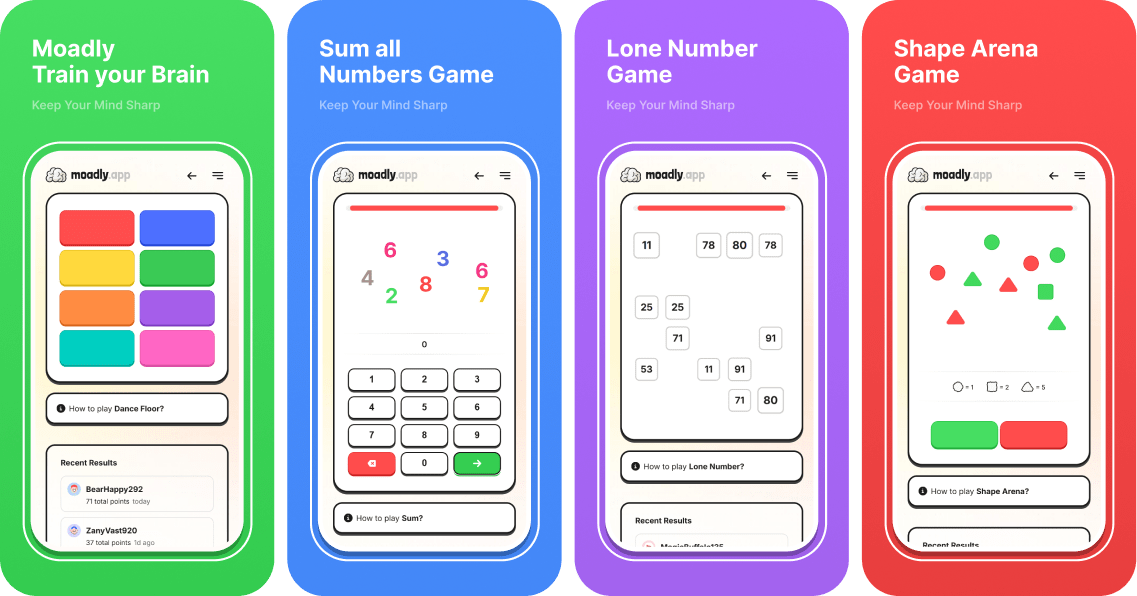
You want practical ways to improve memory that actually stick, not a list of vague tips you'll forget five minutes after reading. Below you'll find a friendly, real-world plan that mixes lifestyle habits with smart use of apps like Moadly and similar tools, plus specific routines and sensible expectations so you feel rewarded, not overwhelmed.
Why consistency beats intensity
Short, daily practice wins over marathon sessions once a month. Your brain loves repetition, and tiny wins build momentum. That means five to fifteen minutes of focused training most days will do more long-term good than rare long sessions.
Quick checklist to stay consistent
- Pick 2–3-minute warmups to start your day, like puzzles from daily brain games.
- Set a repeatable cue, such as after coffee or while waiting for the kettle.
- Keep sessions short, then add one challenge once per week.
- Track streaks or small milestones to get positive feedback.
What really helps memory. Short, evidence-friendly list
- Active recall. Practice retrieving information, not just rereading it. Use quiz modes or flashcards in apps like those highlighted in brain-test games.
- Spaced repetition. Revisit material at growing intervals. Many cognitive apps use this method, and it pairs well with daily micro-sessions.
- Attention training. Improving focus helps encoding. See attention training for short drills that cut through brain fog.
- Varied practice. Mix fast-paced tasks, memory challenges, and logic games to engage different circuits. Examples can be found in fast-paced and thinking games.
- Lifestyle basics. Sleep, hydration, exercise, and nutrition support memory formation. Read about recovery and clearing brain fog in How to fix brain fog ASAP.
How to build a one-month routine that actually feels fun
Follow this simple 4-week plan. Each week adds one new habit while keeping total daily time low.
| Week | Daily minutes | Focus | Goal |
|---|---|---|---|
| 1 | 5 | Warmup puzzles | Make a habit. Try daily wake-up games. |
| 2 | 10 | Memory drills | Introduce active recall. Short lists or pair recall drills from free brain games. |
| 3 | 12 | Focus + speed | Add fast-paced tasks from fast-paced training. |
| 4 | 15 | Mix & challenge | Combine everything, review progress, read how brain games stimulate neuroplasticity. |
Apps and features to pick for long-term results
When choosing an app, look for these features. I put suggestions in parentheses so you can check them fast.
- Short daily sessions, not 45-minute marathons. (See daily brain games.)
- Progress feedback like streaks, levels, or small rewards.
- Variety so practice is still fun. Try alternating math, memory, logic, and attention tasks from best free brain games.
- Adaptive difficulty so tasks stay challenging but not crushing. Read how adaptive play rewires habits in brain changer.
- Short science blurbs that explain why the exercises help, so you know they are not magic tricks. See what doctors think.
Practical game picks and how to use them
Below are types of games I recommend, plus quick examples and how to squeeze the most benefit out of each one.
1. Short memory lists
Practice retrieving 4 to 6 words or numbers after a 30-second delay. Use quiz mode, not just look-and-repeat. Try variations from free brain games for seniors, those drills scale well for any age.
2. Speed and attention drills
Fast-paced challenges improve focus and reaction time. Do these for 2 minutes as a warmup. Options are in fast-paced brain training.
3. Logic puzzles and pattern work
Rotate in logic tasks that require planning. This helps working memory by forcing you to hold intermediate steps. See thinking games for examples that do not feel dry.
4. Spaced repetition for real knowledge
Use spaced flashcards for names, faces, facts, or vocabulary. This is where long-term memory improvements show up. Apps that combine spaced practice and short games are covered in top games proven to boost intelligence.
Motivation tricks that actually work
Motivation is the main barrier. Here are friendly, low-effort hacks to make practice automatic.
- Pair it with a habit, like brushing teeth or morning coffee. The cue makes it automatic.
- Micro-goals that are tiny. If you aim for one five-minute session, you rarely skip.
- Make it social. Small competitions or sharing scores with a friend keeps you accountable. Check community features in best websites and apps.
- Reward progress. Celebrate streaks with a tiny treat or a new playlist.
Common mistakes people make
Be careful of these traps so your effort pays off.
- Thinking app usage is therapy. Apps help strengthen cognitive skills, but they are one piece of the puzzle. For brain fog or medical concerns, see what doctors recommend for brain fog.
- Only doing one type of task. Variety is key. Rotate between memory, speed, and logic from best puzzles.
- No lifestyle support. Sleep and exercise matter. Read practical recovery tips in clear brain fog in 5 minutes.
Realistic expectations
Small, measurable gains in attention, recall speed, and daily clarity are realistic. Radical changes in IQ or permanent reversal of cognitive disease are not promises any app should make. If you want readable science-forward takes, try how brain games stimulate neuroplasticity or what doctors think about brain training.
Personalizing your plan
Everyone is different. Use this quick quiz to decide where to focus.
| Problem | Focus | Next step |
|---|---|---|
| Blanking on names | Associative memory | Use spaced flashcards and visual association drills, see brain test games. |
| Distracted and slow | Attention | Try fast-paced drill sessions and attention modules from boost focus. |
| Memory fades over days | Spaced repetition | Schedule reviews at increasing intervals using any app with SRS or manual scheduling. |
How to measure progress without obsessing
Use two types of tracking.
- Objective metrics like scores, reaction times, or recall accuracy in your app. Prefer apps that show trends, such as those mentioned in best free games.
- Subjective check-ins. Weekly notes on mental clarity, ability to remember errands, or fewer moments of brain f og. Link these notes to articles like how to stop being so forgetful.
Sample daily micro-workout
Simple routine you can do in 12 minutes.
- 1 minute: breathing and focus cue, set intention.
- 3 minutes: fast attention drill from fast-paced.
- 5 minutes: memory list with active recall and spaced repetition.
- 3 minutes: logic puzzle or pattern task to close.
Extra reading and app collections
If you want to dive deeper, these pieces collect practical, hands-on tools and science-backed guidance on one page.
- Best websites and apps to keep your brain sharp
- How brain games stimulate neuroplasticity and focus
- What doctors think about brain training apps
- What do doctors recommend for brain fog
Final pep talk
Start tiny, be kind to yourself, and enjoy the process. Memory improves with repeated, varied practice and healthy lifestyle support. Use short apps and features you enjoy, lean into reminders and social nudges, and celebrate small wins. If you keep showing up, you will notice practical improvements in everyday life, like remembering names more often and feeling less scatterbrained before important meetings.